Tips & Tricks
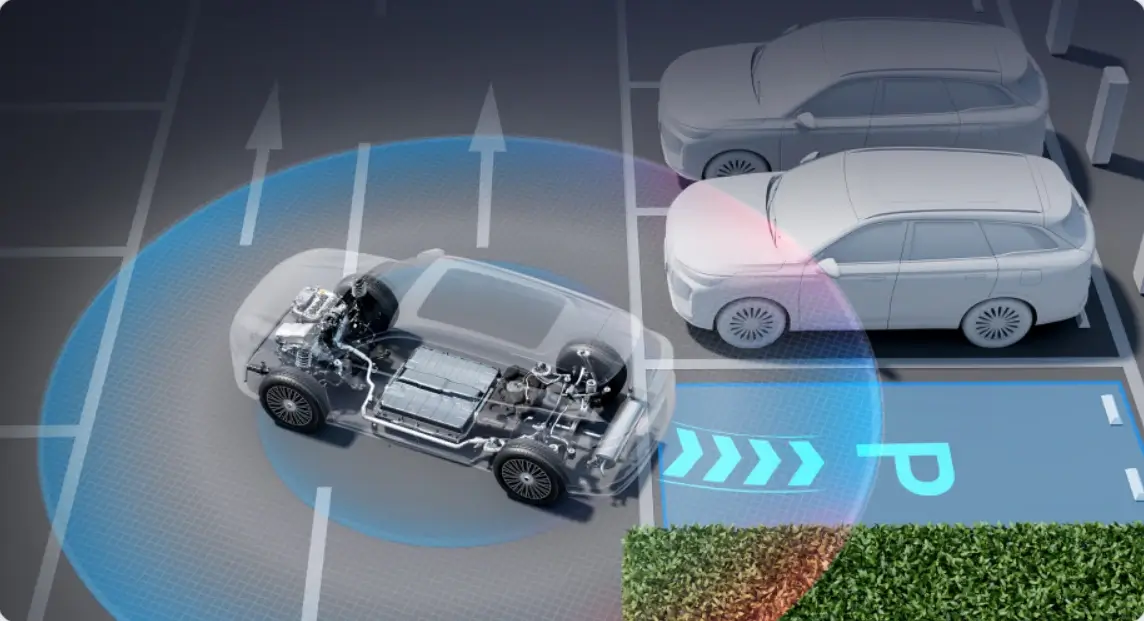
5 Essential EV Safety Features You Must Have in 2026
Learn about the 5 essential electric vehicle (EV) safety features you must have in 2026 for maximum protection of drivers and passengers.
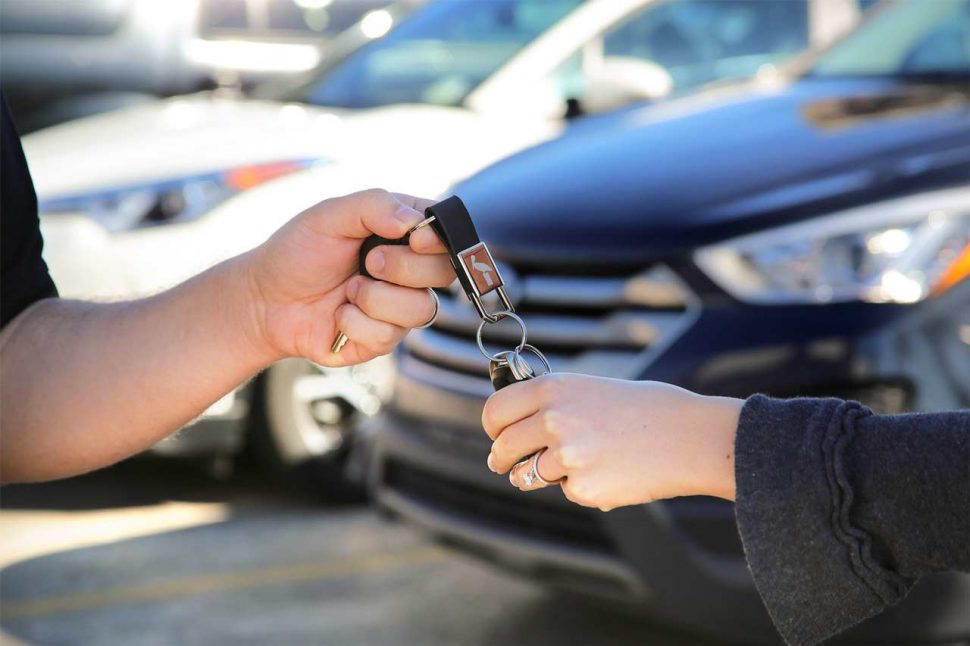
Trading in your car, or a trade-in, is a practical solution for many people who want to upgrade their vehicle without the hassle of selling their old car separately. In addition to being faster, this process is generally considered safer, as it is usually handled directly through authorized dealers or trusted showrooms.
Beyond safety, trading in your car can also be a more cost-efficient option. Not only can it save money, but it also saves time and simplifies the entire buying and selling process.
Unfortunately, this method is still less popular than selling a used car independently and purchasing a new one outright.
That said, having the right strategy is essential to making a trade-in truly beneficial. Without proper preparation, your car may be valued far below expectations. Therefore, it is crucial to understand the factors that influence pricing and the steps you can take to strengthen your position during negotiations.
Here are some essential tips to help you secure the best possible offer from a dealer.
Read more: How to Jump-Start a Car Battery Easily, Correctly, and Safely
A car trade-in is typically facilitated by a dealer or showroom. The dealer will conduct an appraisal to estimate the value of your current vehicle.
For this reason, it is important to conduct research before selecting a dealer. Visit multiple dealerships to compare their valuation offers for your car. Once you find a dealer you trust, you can proceed to choose your desired new vehicle.
After the appraisal and vehicle selection, you will need to pay the price difference based on the agreed valuation. You can then decide whether to complete the transaction in cash or through financing.
As the appraisal is the first step in a trade-in process, conducting independent market research gives you a stronger bargaining position. Without it, you may end up accepting a lower offer.
Here are a few steps you can take:
By understanding the market value, you gain a solid reference point for negotiations and reduce the risk of accepting undervalued offers.
The condition of your car significantly impacts its resale value. Dealers will typically conduct a thorough inspection, covering the engine, exterior, and interior.
Here are some improvements you can make:
Even small investments in repairs can substantially increase your car’s value.
Read more: Cara Perpanjangan STNK Tahunan dan 5 Tahunan dengan Mudah
A car with complete and well-organized documentation is more likely to receive a higher offer.
This is because proper documentation increases the dealer’s confidence and accelerates the transaction process.
Make sure you have:
Keep in mind that not only legal documents matter—vehicles with a clear service history are typically valued higher due to their perceived reliability and maintenance quality.
Read more: Difference Between Pertamax and Pertalite: Octane, Performance, and Fuel
Timing can significantly influence your trade-in value. Dealers often have sales targets, particularly at the end of the month or year.
Best times to trade in your car:
During these periods, your chances of receiving a better offer or additional incentives are higher.
As mentioned earlier, visiting multiple dealers for appraisal is highly recommended.
Here’s what you should do:
This approach gives you a clearer picture of the market and helps you secure the most favorable deal.
This is where your preparation truly matters. Negotiation is a key factor in achieving the best outcome.
Ensure you bring supporting data, such as service records, legal documents, and market research results.
Some effective negotiation strategies include:
In some cases, dealers may not increase your car’s value but can offer additional perks such as discounts or accessories.
If you are considering upgrading to an electric vehicle, this step is especially important. Governments are actively encouraging the transition to green energy, including electric vehicles, often through incentives and subsidies.
As a result, many dealers offer trade-in programs with additional benefits, such as:
These programs can significantly reduce the price difference you need to pay, enhancing the overall value of your transaction.
This option is particularly helpful if you are not well-versed in automotive evaluation. Independent inspection services can provide an objective assessment of your vehicle’s condition.
An inspector can also assist you during negotiations, offering an alternative perspective to the dealer’s appraisal.
Additionally, this service helps you avoid impulsive decisions. Taking a careful and patient approach often leads to better deals.
Trading in your car is a convenient solution, but it still requires a well-thought-out strategy to ensure you are not at a disadvantage. The key factors are research, negotiation skills, and patience.
To maximize your car’s value, make sure you gather all relevant data—from market prices to service records. Well-documented information will strengthen your position during negotiations.
Ultimately, the goal of a trade-in is not just to sell your old car, but to secure the most advantageous deal for your next vehicle.


 Ini Manfaat & Cara Kerjanya.webp)

We place cookies in order to make sure our website works properly and to improve your browsing experience, to streamline and personalize our marketing content and to show you personalized advertisements (including on third party websites). We sometimes share cookie data with our partners for these purposes. Our cookies remember your settings and the data you fill out on forms on our website and analyse traffic to our website. Our cookies also register how you found us and collect information about your browsing habits. You can read more about our use of cookies in our Cookie Notice.