Electric cars are becoming increasingly popular in Indonesia as awareness of environmental sustainability and energy efficiency grows. However, for beginners, one aspect that often feels confusing is the charging process. Unlike gasoline-powered vehicles, electric cars require a new understanding of how, when, and where to charge.
If you’re charging an electric car for the first time, you might wonder: is it similar to charging a smartphone? Do you need a special app? All of these questions will be answered in this guide.
This article covers everything you need to know about charging electric cars, from types of chargers to practical tips for maintaining battery health.
What Is Electric Car Charging?
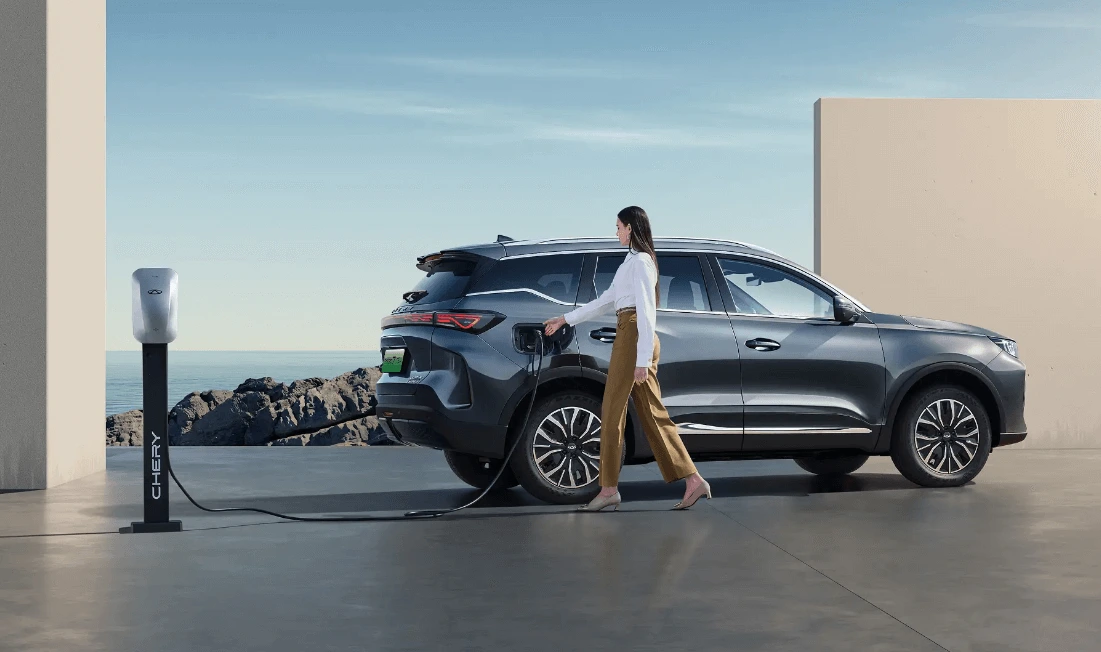
Charging an electric car is the process of replenishing the battery using electricity. This stored energy is then used to power the electric motor, replacing the need for fossil fuel combustion.
Charging can be done at home or at public charging stations, commonly known as SPKLU (Public Electric Vehicle Charging Stations). The concept is similar to charging a phone, just on a much larger scale.
Types of Electric Car Chargers
Before you start charging, it’s important to understand the different types of chargers available. Generally, there are three main types:
1. Level 1 Charger (Slow Charging)
This charger uses standard household electricity (220V in Indonesia).
Advantages:
- Can be used at home without special installation
- More affordable
Disadvantages:
- Very slow charging time (8–20 hours depending on battery capacity)
This type is suitable for daily use with shorter driving distances.
2. Level 2 Charger (Medium Charging)
Uses higher electrical power and usually requires special installation at home or is available in public spaces.
Advantages:
- Faster charging (around 4–8 hours)
- More efficient than Level 1
Disadvantages:
- Requires additional installation cost and infrastructure
This is an ideal choice for users who want faster home charging.
3. Fast Charging (DC Fast Charging)
Usually available at public charging stations (SPKLU) and uses direct current (DC) for rapid charging.
Advantages:
- Very fast charging (30–60 minutes up to 80%)
- Ideal for long-distance travel
Disadvantages:
- Higher cost
- Not all vehicles are compatible
- Frequent use may accelerate battery degradation
How to Charge an Electric Car Properly
For beginners, here are the basic steps:
Download the PLN Mobile App
To charge your electric vehicle, you need the PLN Mobile app. It allows you to locate nearby charging stations, monitor charging status, and make payments in one place.
Find the Nearest Charging Station
Use the app to locate the nearest SPKLU. You’ll see details such as charger type, availability, and location. This is especially helpful for planning long trips.
Plug the Charger Correctly
Make sure the charging connector (gun) is compatible with your vehicle. Using the wrong connector can cause issues. If unsure, ask the station staff.
Scan the QR Code
Scan the QR code at the station to start charging. Follow the instructions in the app, including selecting charging settings if needed.
Make Payment
Monitor charging progress via the app or your car display. Once charging reaches 80% or full, complete the payment using available methods such as e-wallets or credit cards.
How Long Does Charging Take?
Charging time depends on several factors:
- Battery capacity
- Charger type
- Battery condition
- Power supply
Estimated times:
- Level 1: 8–20 hours
- Level 2: 4–8 hours
- Fast Charging: 30–60 minutes (up to 80%)
Pro tip: Charging up to 80% is recommended for daily use to save time and preserve battery health.
Cost of Charging an Electric Car
One major advantage of electric vehicles is lower operating costs.For an overview, here is an estimate of the charging costs:
Home Charging:
Requires a home charger or wallbox provided by manufacturers or PLN. Ideally, your home electricity capacity should be between 2,200 VA and 7,700 VA.
- Electricity cost: around IDR 1,450–1,700 per kWh
- Example:
- Battery capacity: 40 kWh
- Full charge cost: around IDR 60,000–70,000
Public Charging (SPKLU):
Usually slightly more expensive due to service fees, but still cheaper than gasoline for the same distance.
Tips to Keep Your Battery Healthy
The battery is the most expensive component in an electric car, so proper care is essential:
- Avoid charging from 0% to 100% too often
- Maintain battery levels between 20%–80%
- Use fast charging sparingly
- Frequent use may reduce battery lifespan
- Don’t leave the car unused for too long
- Keep battery around 50% if not in use
- Avoid extreme temperatures
- Park in shaded or covered areas
- Use certified chargers
- Always follow manufacturer recommendations
Is Home Charging Safe?
Yes, as long as your electrical installation meets proper standards.
Things to ensure:
- Adequate electrical capacity
- Dedicated circuit breaker (MCB)
- Certified charging equipment
Consult a professional technician if needed.
Tips for Charging Outside the Home
When traveling long distances:
- Use apps to find nearby charging stations
- Ensure charger compatibility
- Avoid peak hours to skip queues
- Check charging rates before starting
Conclusion
Charging an electric car is not as complicated as it may seem, even for beginners. By understanding charger types, charging times, and best practices, you can enjoy a more efficient and eco-friendly driving experience.
Start with home charging using Level 1 or Level 2, and use fast charging when necessary. Over time, you’ll find that electric vehicles are not just a trend, but a smart solution for the future of mobility.
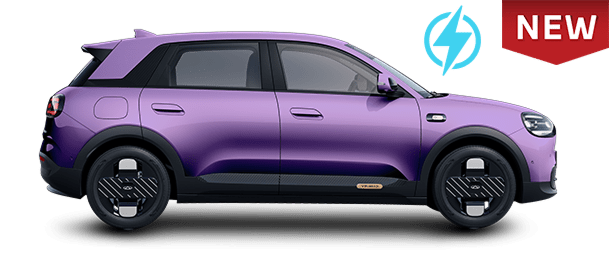
Want to experience a compact city car that can be charged in just minutes? Try the Chery Q.
Schedule a test drive today or explore its full specifications. For financing simulation, you can fill out the available form.