The fundamental difference between Pertamax and Pertalite lies in the Research Octane Number (RON), which determines the fuel's ability to withstand high compression inside the combustion chamber.
Choosing the right fuel is not just a price consideration, but a technical decision to maintain optimal engine performance and extend the life of internal vehicle components.
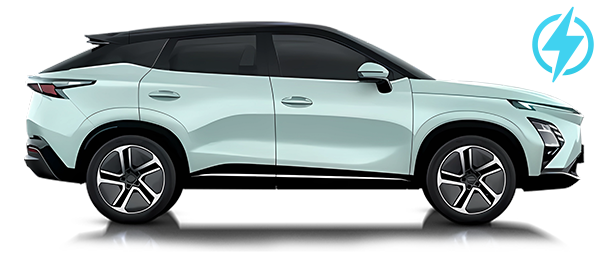
This article will outline the comparison of octane numbers, the impact on engine performance, and the relevance of using quality fuel for modern engine efficiency, such as in the Chery C5.
Technical Specification Comparison: RON and Compression
Every type of vehicle has a specific engine compression ratio, thus requiring fuel with appropriate pressure resistance (octane) to prevent knocking.
| Feature | Pertalite | Pertamax |
| Octane Number (RON) | 90 | 92 |
| Engine Compression Ratio | 9:1 to 10:1 | 10:1 to 11:1 |
| Additive Content | Standard | Engine Cleaner (Detergent) |
| Characteristics | Faster combustion | High pressure resistant |
1. Octane Number (RON)
Octane number is an indicator of the fuel's ability not to burn spontaneously due to piston pressure. Pertalite with RON 90 is designed for low-compression engines. Conversely, Pertamax with RON 92 has better resistance, which is crucial for forced induction engines (turbo) to prevent premature explosions before the spark plug ignites.
2. Engine Performance Effect
Using Pertamax results in more precise combustion so that the power produced by the engine becomes more responsive. With controlled combustion, the kinetic energy pushing the piston works maximally. Continuous use of Pertalite on high-performance engines can trigger carbon deposit buildup that gradually reduces engine power.
3. Fuel Consumption and Efficiency
Fuel consumption efficiency (km/liter) increases when the engine works at ideal combustion temperatures and pressures according to octane specifications. High-octane fuel like Pertamax helps the engine work lighter by minimizing excessive vibration. This makes fuel usage more economical in the long run compared to using low octane which forces the engine to compensate for combustion timing.
Implementation of Quality Fuel in Chery C5 Technology
The Chery C5 is equipped with a 1.5 Turbo Engine producing Max Power 145 HP and Max Torque 230 Nm, so it is highly recommended to use minimum RON 92 fuel. Turbo engines have very dense intake air pressure, demanding fuel stability so that engine performance remains at the highest level.
Applying the right fuel standards on the Chery C5 supports its various advanced features:
- Maximum Turbo Performance: Maintaining stable 108 kW power to remain responsive when needed.
- Driving Safety: Ensuring the engine does not experience technical disruptions when 10 ADAS systems like Autonomous Emergency Braking (AEB) or Adaptive Cruise Control (ACC) are actively working.
- Cabin Comfort: Smooth combustion minimizes engine vibrations that can be felt inside the luxurious cabin equipped with 64 Colors Ambient Light and Sony Premium Audio.
Owners can also monitor the surrounding area through the 360 HD Panoramic Camera to avoid vehicle blind spots.
Conclusion
Choosing Pertamax for turbo-engined vehicles like the Chery C5 is a preventive step to maintain engine durability. With capable engine technology, the use of quality fuel ensures all Intelligent Technology features can be enjoyed maximally without technical issues in the drivetrain system.
Want to experience directly the performance of the tough and efficient 1.5 Turbo engine of the Chery C5?
Schedule a Test Drive Now or see full specification details on the Chery C5 page. For financing simulation, you can fill out the Submission Form officially.