Electric vehicles (EVs) have become an increasingly popular topic in recent years. In Indonesia, the adoption of electric cars continues to grow, driven by government initiatives promoting cleaner energy. At the same time, many automotive manufacturers are introducing a wider range of EV options with more advanced technology and increasingly competitive prices.
However, before making the switch, it’s important to understand both the advantages and disadvantages of electric cars in a comprehensive way. So far, discussions around EVs often focus more on their benefits such as being environmentally friendly, having lower operating costs, and receiving government incentives.
This article provides a complete overview to help you make a more informed decision.
Differences Between Electric Cars and Conventional (Fuel-Based) Cars
Electric cars and internal combustion engine (ICE) vehicles differ in more than just their energy source. Here are the key distinctions:
Technical Aspect | Electric Vehicles (EV) | Conventional Cars (ICE) |
| Drive System | Uses an electric motor without combustion | Uses an internal combustion engine |
| Energy Source | Powered by electricity stored in batteries (typically lithium-ion) | Uses fossil fuels such as gasoline or diesel |
| Transmission | Generally single-speed transmission | Available in manual or multi-gear automatic transmissions |
| Torque Characteristics | Instant torque delivery from the start | Power builds gradually with engine speed |
| Acceleration | More responsive, especially at launch | Takes time to reach optimal performance |
| Maintenance Needs | Simpler due to fewer moving parts | Requires routine servicing (oil, filters, tuning) |
| Driving Range | Around 200–500 km depending on battery capacity | Can reach 600–800 km depending on fuel efficiency |
| Refueling/Recharging Time | 30 minutes to several hours depending on charger | Typically 3–5 minutes at fuel stations |
| Emissions | Around 1.1 kg CO₂ per 10 km (lower) | Around 2.4 kg CO₂ per 10 km (higher) |
These differences directly influence the strengths and weaknesses of each type of vehicle.
Advantages of Electric Cars
1. Environmentally Friendly
One of the biggest advantages of EVs is their significantly lower emissions compared to gasoline-powered cars. Based on the table above, EV emissions can be about 50% lower per 10 kilometers.
Electric cars produce no tailpipe emissions, helping reduce air pollution, especially in urban areas. This makes them an important solution in addressing climate change and declining air quality.
2. Lower Operating Costs
Compared to gasoline or diesel vehicles, EVs generally have lower operating costs. Charging electricity is typically cheaper than buying fuel.
In addition, EVs have fewer moving components, which means lower maintenance costs. There’s no need for oil changes, and components like brakes tend to last longer due to regenerative braking systems.
3. Smooth and Responsive Performance
Electric cars are known for instant acceleration. Electric motors deliver maximum torque immediately, unlike conventional engines that need time to build power.
This results in a smoother, quieter, and more comfortable driving experience without the vibrations commonly found in ICE vehicles.
4. Government Incentives
In Indonesia, the government offers various incentives to encourage EV adoption, including tax reductions, purchase subsidies, and easier access to charging infrastructure.
These incentives help reduce the initial financial burden for buyers.
5. Advanced Technology and Features
Most EVs come equipped with modern technology, including advanced infotainment systems, safety features with sensors, and smartphone integration.
Some models also offer semi-autonomous driving features, enhancing the overall driving experience.
Disadvantages of Electric Cars
1. Higher Initial Purchase Price
One of the main barriers to EV adoption is the higher upfront cost compared to conventional cars. Even with government incentives, EV prices can still be relatively expensive for many consumers.
However, as technology advances and production scales up, prices are expected to become more affordable over time.
2. Limited Charging Infrastructure
The availability of public charging stations is still limited, especially outside major cities. This can be a challenge for users who frequently travel long distances.
Although infrastructure is improving, it will take time to become evenly distributed across Indonesia.
3. Longer Charging Time
Unlike refueling a gasoline car, which takes only a few minutes, charging an EV can take significantly longer depending on the charger type.
Fast charging can reduce charging time, but not all locations are equipped with this सुविधा. This is an important consideration for users with high mobility needs.
4. Limited Driving Range
Although battery technology continues to improve, driving range remains a concern for some users. The term “range anxiety” refers to the fear of running out of battery before reaching a destination.
However, for daily urban use, most EVs already offer sufficient range.
5. Battery Dependency
The battery is the most critical and expensive component in an EV. Over time, battery capacity degrades and may eventually need replacement, which can be costly.
Battery recycling and environmental impact are also ongoing concerns in sustainability discussions.
The decision to buy an electric car should align with your needs and lifestyle. If you primarily drive within the city, have easy access to charging, and want to reduce your carbon footprint, an EV can be a great choice.
However, if you frequently travel long distances to areas with limited charging infrastructure, a conventional or hybrid vehicle may still be more practical for now.
Chery Q: Addressing the Challenges with an Affordable Electric Car
As the EV industry evolves, manufacturers continue to innovate to meet market demands, especially the need for more affordable electric cars.
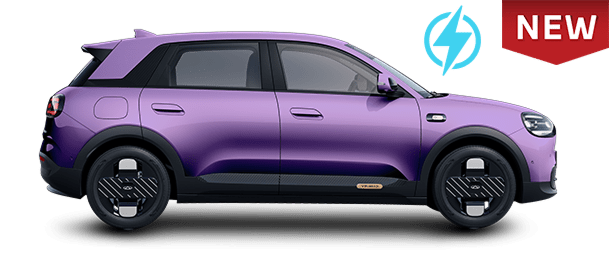
Chery is set to launch the Chery Q, a compact and stylish city car, at GIIAS 2026. This model is ideal as a first car for young families, offering an attractive price point, compact size, and a cute design.
It is also efficient for daily use, with a driving range of up to 420 km—perfect for urban mobility. Equipped with a 41.3 kWh battery and fast-charging capability, it can charge from 30% to 80% in approximately 16.5 minutes, making it well-suited for a fast-paced city lifestyle.
Solidify your choice by taking a test drive and experiencing this new way of driving firsthand. Visit your nearest Chery dealer and take a test drive to explore the future of mobility.