Electric vehicles (EVs) continue to evolve rapidly—not only in terms of performance and efficiency but also in safety. As EV adoption rises worldwide, including in Indonesia, safety standards are becoming increasingly advanced. The year 2026 marks an important milestone, driven by global regulations and technological innovations that make advanced safety features a necessity.
If you’re considering buying an EV, understanding these safety features is crucial. They’re not just about convenience—they’re about protecting you and your loved ones. Here are five essential EV safety features you should look for in 2026.
1. Advanced Driver Assistance Systems (ADAS)
ADAS is a collection of driver-assistance technologies that has become standard in many modern vehicles, including EVs. By 2026, this is no longer optional—it’s a baseline requirement.
Key ADAS features include:
- Automatic Emergency Braking (AEB)
- Lane Keeping Assist (LKA)
- Adaptive Cruise Control (ACC)
- Blind Spot Detection
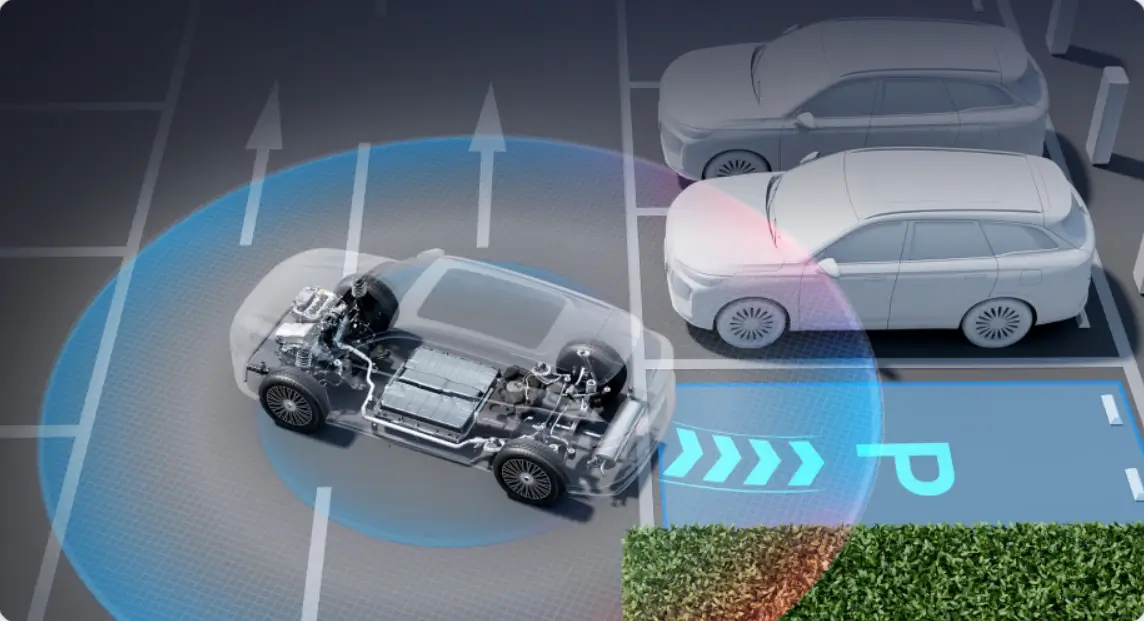
These systems use sensors, cameras, and radar to help prevent accidents. For example, AEB can automatically apply the brakes when it detects a potential collision.
According to the National Highway Traffic Safety Administration, AEB significantly reduces rear-end collisions.
2. Battery Management System (BMS) with Advanced Protection
Unlike conventional vehicles, EVs rely on high-voltage batteries that require specialized management systems. This is where the Battery Management System (BMS) comes in.
Key safety functions include:
- Overcharge and over-discharge protection
- Battery temperature regulation
- Short-circuit detection
- Automatic shutdown during faults
Lithium-ion batteries are efficient but sensitive to overheating. That’s why real-time monitoring and cooling systems are essential.
According to the International Energy Agency, proper battery management is critical to preventing fire risks in EVs.
3. High-Voltage Safety System
EVs operate on high-voltage electrical systems, often exceeding 400 volts. This introduces additional risks, especially during accidents.
Essential safety features include:
- Automatic power disconnect during collisions
- Specialized insulated high-voltage cables (typically orange)
- Electrical leakage detection sensors
In the event of a crash, this system instantly cuts off electrical flow to protect passengers and emergency responders from electric shock.
Regulations from the United Nations Economic Commission for Europe, particularly UN R100, strictly govern high-voltage safety in EVs.
4. EV-Specific Crash Structure
Because EV batteries are typically located beneath the vehicle, their structural design differs from conventional cars. The frame must:
- Protect the battery during impacts
- Absorb crash energy effectively
- Maintain vehicle stability
Modern EVs often use a skateboard platform, lowering the center of gravity and reducing rollover risk.
According to the Insurance Institute for Highway Safety, well-designed EV structures can significantly improve crash-test performance compared to traditional vehicles.
5. Fire Safety System and Thermal Runaway Protection
One of the biggest concerns with EVs is the risk of fire caused by thermal runaway—a chain reaction of overheating within the battery.
Key technologies include:
- Real-time battery temperature sensors
- Active cooling systems (liquid cooling)
- Fire-resistant materials around the battery
- Automatic internal fire suppression systems
If abnormal temperature increases are detected, the vehicle can alert the driver or even shut down operations to prevent a fire.
According to the National Transportation Safety Board, thermal runaway mitigation systems are essential to improving overall EV safety.
Why These Features Are Mandatory in 2026
1. Growing EV Adoption
As more EVs hit the road, the potential risks increase, making higher safety standards necessary.
2. Stricter Global Regulations
Governments worldwide are implementing stricter safety requirements, especially concerning batteries and electrical systems.
3. Better Consumer Awareness
Consumers are now more informed and prioritize safety alongside price and design.
Tips for Choosing a Safe EV in 2026
Before buying an electric vehicle, make sure you:
- Check safety ratings (such as NCAP or equivalent)
- Ensure comprehensive ADAS features
- Understand the battery protection system
- Choose brands with strong safety track records
Don’t be tempted by low prices alone, safety should always come first.
Conclusion
Electric vehicles offer many advantages, from efficiency to environmental benefits. However, safety should never be overlooked. Five key features: ADAS, BMS, high-voltage safety systems, EV-specific structures, and fire protection will be essential standards in 2026.
By understanding these features, you can make smarter decisions when choosing an EV ensuring not just comfort, but long-term safety for you and your passengers.