Electric car taxes before 2026 could practically be considered free due to government incentives. This policy was introduced as part of efforts to accelerate the transition to renewable energy.
Thanks to these incentives, electric vehicle ownership has steadily increased, alongside the rapid growth of Indonesia’s electric vehicle industry.
However, the regulations regarding electric vehicle taxes are set to change significantly under the Minister of Home Affairs Regulation No. 11 of 2026 concerning the Tax Base for Motor Vehicles and Heavy Equipment.
This regulation states that vehicles powered by renewable energy are excluded from Motor Vehicle Tax (PKB). However, it does not explicitly mention battery electric vehicles as being exempt.
If you are an electric car owner or planning to buy one, here is a complete guide to the latest 2026 electric vehicle tax calculation.
Electric Vehicle Regulations in Indonesia
When discussing the legality of electric vehicles in Indonesia, taxation cannot be separated from the conversation. Government regulations on electric vehicle taxes began to emerge in 2019.
Presidential Regulation No. 55 of 2019
Indonesia’s serious push toward electric vehicles began with Presidential Regulation No. 55 of 2019 on the acceleration of battery-based electric motor vehicle programs.
This regulation serves as the main legal foundation and reflects the government’s commitment to:
- Reducing carbon emissions
- Decreasing dependence on imported fuel
- Supporting the development of the domestic electric vehicle industry
At the early stage, the biggest challenge was low market interest due to relatively high vehicle prices. To address this, the government introduced various incentives, especially in taxation.
Government Regulation No. 73 of 2019
This regulation was issued to further encourage electric vehicle ownership by providing tax incentives.
Electric vehicles are categorized into three types:
Each category receives different tax reductions:
- Fully electric vehicles: 0% tax incentive (both Phase I and Phase II)
- PHEV: 5% (Phase I) and 8% (Phase II)
- Hybrid: 6–8% (Phase I) and 10–12% (Phase II)
Government Regulation No. 74 of 2021
This regulation refines previous policies by emphasizing tax incentives during the purchase of electric vehicles.
Key points include:
- Luxury Goods Sales Tax (PPnBM) incentive of 15% for electric vehicles and fuel cell vehicles
- PHEV vehicles also receive a 15% PPnBM incentive
- Tax base (DPP) is reduced to 33.33% of the selling price, lowering the total tax burden
Minister of Home Affairs Regulation No. 1 of 2021
This regulation significantly boosted electric vehicle adoption. Articles 10 and 11 state that electric vehicles are subject to only 10% of the normal tax rate.
This applies to both private and public vehicles, making electric vehicles more financially attractive.
Law on Central and Regional Financial Relations
This law reinforces that electric vehicles are not subject to PKB and BBNKB.
As a result, owners previously only needed to pay the mandatory Road Traffic Accident Fund contribution (SWDKLLJ), which is approximately IDR 200,000 per year.
Minister of Home Affairs Regulation No. 11 of 2026
Under this new regulation, vehicles based on renewable energy are excluded from PKB. However, battery electric vehicles are not explicitly mentioned.
Following this regulation, several regional governments have begun reviewing their electric vehicle tax incentive policies.
How to Calculate Electric Vehicle Tax in 2026
After April 2026, electric vehicle tax calculations generally follow the same mechanism as conventional vehicles.
a. Main Tax Components
Electric vehicle taxes now consist of:
- Motor Vehicle Tax (PKB)
- Vehicle Ownership Transfer Fee (BBNKB)
- SWDKLLJ
b. Basic PKB Calculation Formula
PKB is calculated based on:
- Vehicle Sale Value (NJKB)
- Multiplied by a weighting factor (impact on road and environment)
c. PKB Rate (General Range)
The PKB rate typically ranges between:
- 1%–2% of NJKB (depending on the province)
Simulation of PKB Calculation
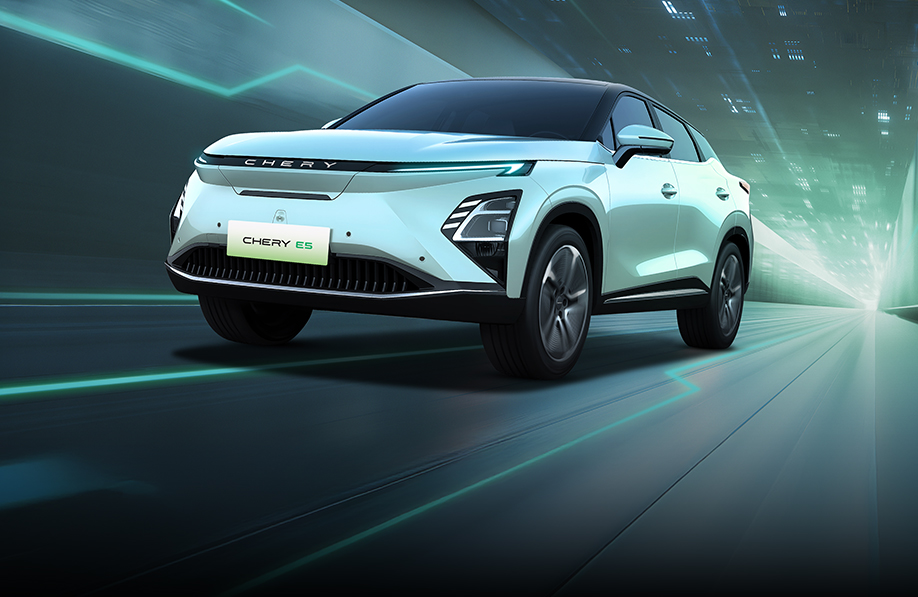
Example: Chery Tiggo 5X in Jakarta
Assumptions:
- NJKB: IDR 171,000,000
- Tax rate: 2%
Calculation:
- IDR 171,000,000 × 2% = IDR 3,420,000
Meanwhile:
- BBNKB is usually included in the purchase price (around 12.5% in Jakarta)
- Used vehicle purchases are generally exempt from BBNKB
- Policies may vary by region
What Does This Mean for Owners?
The difference in annual tax costs is significant. Previously, owners only paid around IDR 200,000 per year. Now, they need to allocate a larger budget for vehicle taxes.
However, according to one electric vehicle user interviewed by BBC, electric cars remain more economical in terms of operational costs, even without tax incentives.
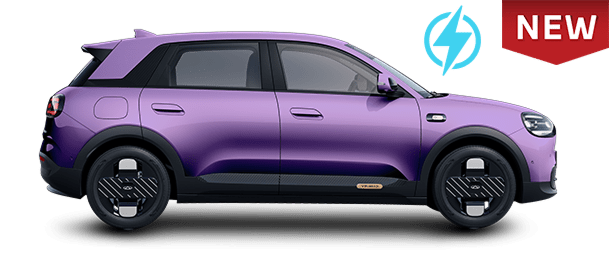
Chery Q: An Affordable Electric Car Option
Chery is set to launch an affordable electric vehicle called the Chery Q. It is an ideal first car for young families due to its competitive price, practical size, and elegant design.
In terms of performance:
- Driving range up to 420 km
- Equipped with a 41.3 kWh battery
- Fast charging from 30% to 80% in approximately 16.5 minutes
This makes it well-suited for urban mobility and fast-paced lifestyles.
After understanding the latest 2026 electric vehicle tax calculations, now is the perfect time to experience driving an electric car firsthand. Visit your nearest Chery dealer and schedule a test drive to explore the future of mobility.