In just a few short years, global electric vehicle (EV) sales have surged by more than 200%. This rise is not just a green trend, but also a real response to the climate crisis, energy efficiency demands, and stricter carbon emission regulations. These factors have made electric vehicles both a logical and ethical choice.
The Indonesian government has also stepped in by providing EV subsidies to accelerate the transition toward cleaner energy. Yet amid this shift, many people still find themselves puzzled when hearing the terms EV, Hybrid, and PHEV. They are often grouped together as “electric cars,” but in reality, each uses a very different power system.
This article will help you clearly understand the differences between EVs (Electric Vehicles), HEVs (Hybrid Electric Vehicles), and PHEVs (Plug-in Hybrid Electric Vehicles) in simple, easy-to-follow terms. You’ll learn how each system works, along with their advantages, drawbacks, and which type best fits your lifestyle.
Understanding EVs (Electric Vehicles): 100% Battery Powered
Let’s start with the purest form of electrification. An EV, short for Electric Vehicle, runs entirely on an electric motor without any gasoline engine. Power is stored in a large battery pack that can be recharged using a home charger or at a public charging station (SPKLU).
An EV’s drivetrain typically consists of three main components:
- A battery as the primary energy source
- An inverter that converts DC power into AC to drive the electric motor
- An electric motor that produces torque to turn the wheels
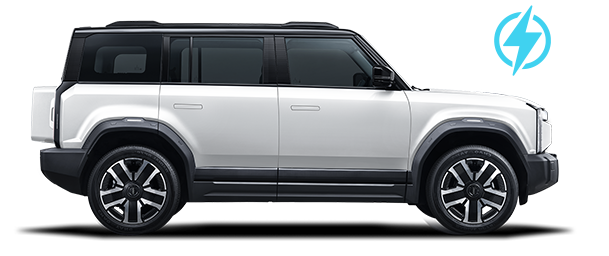
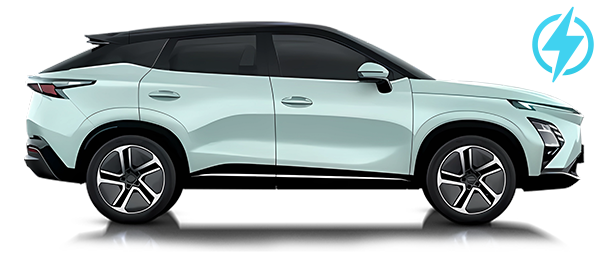
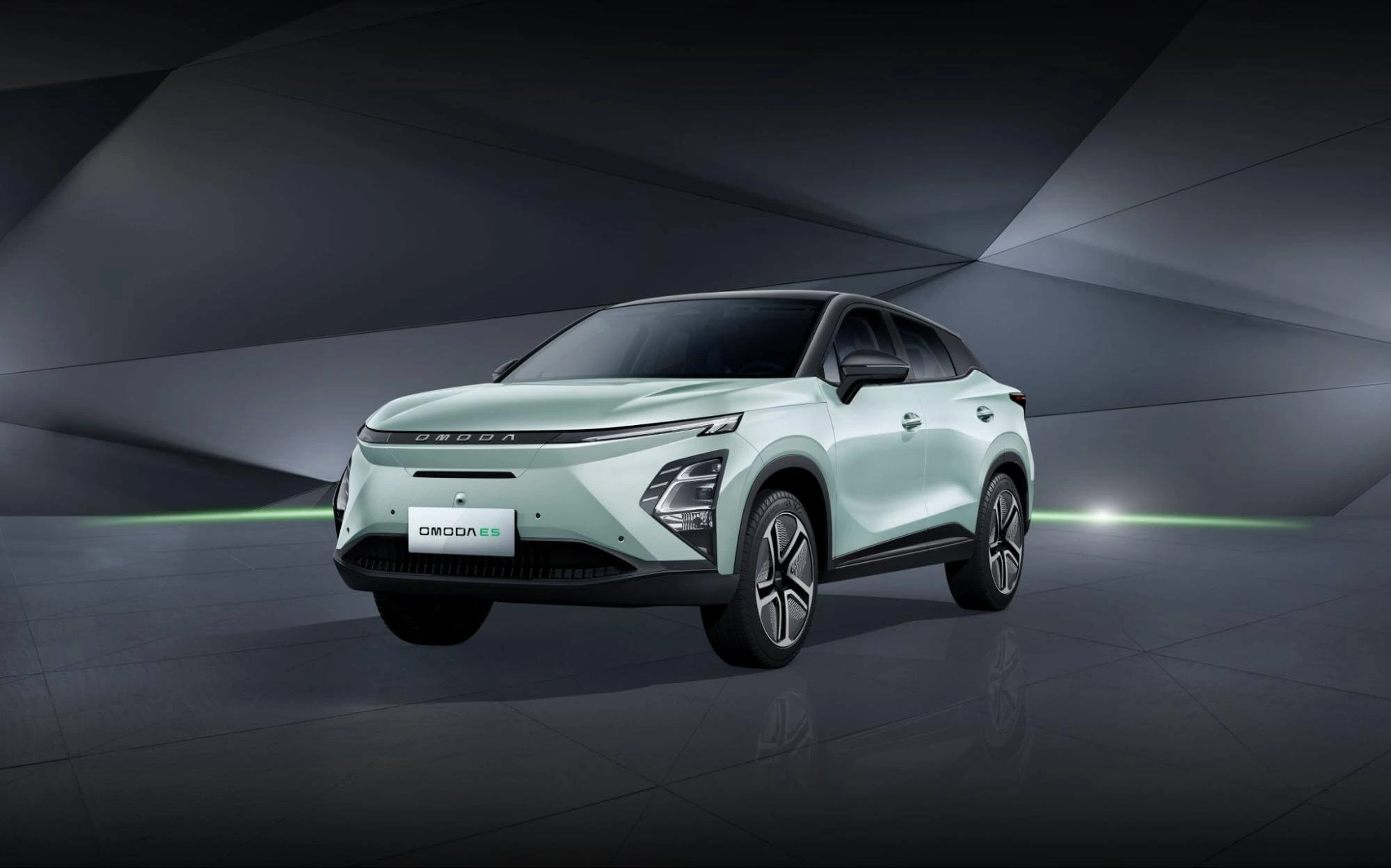
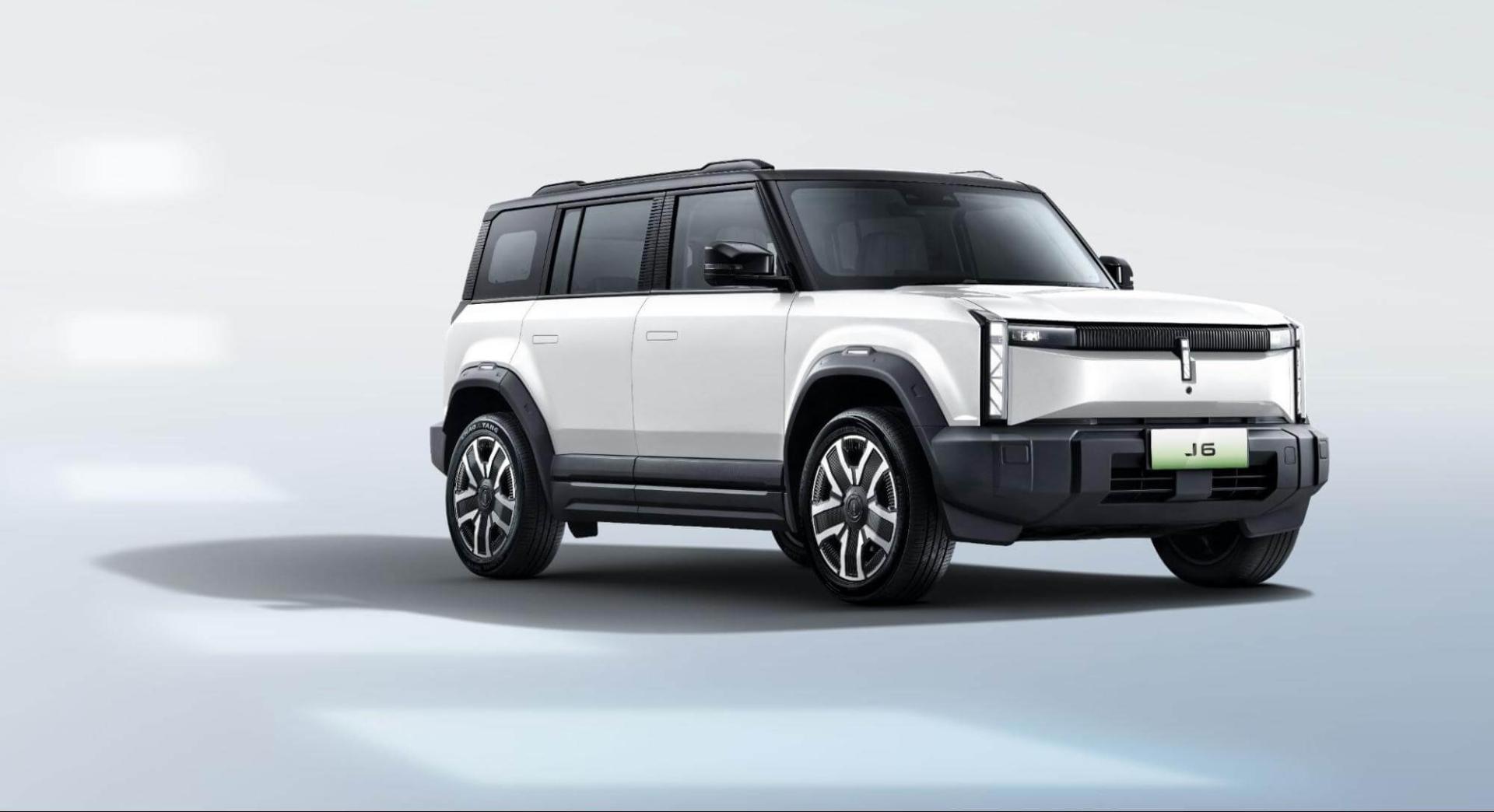
Because it has no exhaust system, an EV produces zero tailpipe emissions. That’s why models such as the Chery E5 and Chery J6 are often called some of the most eco-friendly cars on the road. Both share similar technology but differ in battery capacity and driving range. The Chery E5 offers around 450 km per charge with a 61 kWh battery, while the Chery J6 delivers 418–426 km from a 65.69 kWh pack.
EVs are also exceptionally affordable to operate up to 80% cheaper than gasoline vehicles. In fact, the cost per kilometer can be 4–5 times lower. However, as with any new transition, challenges remain. In Indonesia, the main issues are the limited number of public chargers and long charging times.
Understanding Hybrids (HEVs): The Best of Both Worlds

Now imagine a car that doesn’t need to be plugged in, yet still saves fuel and reduces emissions. That’s the idea behind a Hybrid Electric Vehicle (HEV), a car that combines a gasoline engine with an electric motor to achieve greater efficiency without depending on external charging.
Unlike EVs, hybrids recharge their batteries automatically through a process called regenerative braking, which converts braking energy into electricity.
In traffic or at low speeds, the electric motor powers the car. When more power is needed, such as on highways, the gasoline engine activates. This teamwork allows hybrids to save up to 30–40% more fuel than conventional cars.
According to research by H. Iskandar (2021) in the Journal of Automotive Technology Vocational Education, hybrid systems are generally classified into three types: Series, Parallel, and Series-Parallel Hybrids, each with different levels of efficiency and complexity. Iskandar also described hybrid technology as “an essential step toward full electrification.”
A prime example of modern hybrid innovation is the Chery Tiggo Cross CSH. Powered by Chery Super Hybrid (CSH) technology, it combines responsive power delivery, excellent fuel economy, and everyday comfort, making it ideal for urban driving.
Understanding PHEVs: The Hybrid You Can Plug In
If switching fully to an EV feels too extreme and a hybrid seems not quite enough, then a PHEV (Plug-in Hybrid Electric Vehicle) might be the perfect middle ground.
A PHEV is essentially an advanced hybrid with a larger battery that can be charged externally, while still retaining a gasoline engine as backup. Depending on the battery size, PHEVs can typically travel 40–80 km on electric power alone.
Once the battery runs out, the system automatically switches to gasoline. There’s no need to worry about “range anxiety” or the fear of running out of power mid-trip. This is why many consider PHEVs the bridge between hybrids and full EVs.
The International Journal of Electric and Hybrid Vehicles (2017) highlighted that PHEVs offer the best energy efficiency in their class, thanks to the flexibility of dual power sources without sacrificing performance.
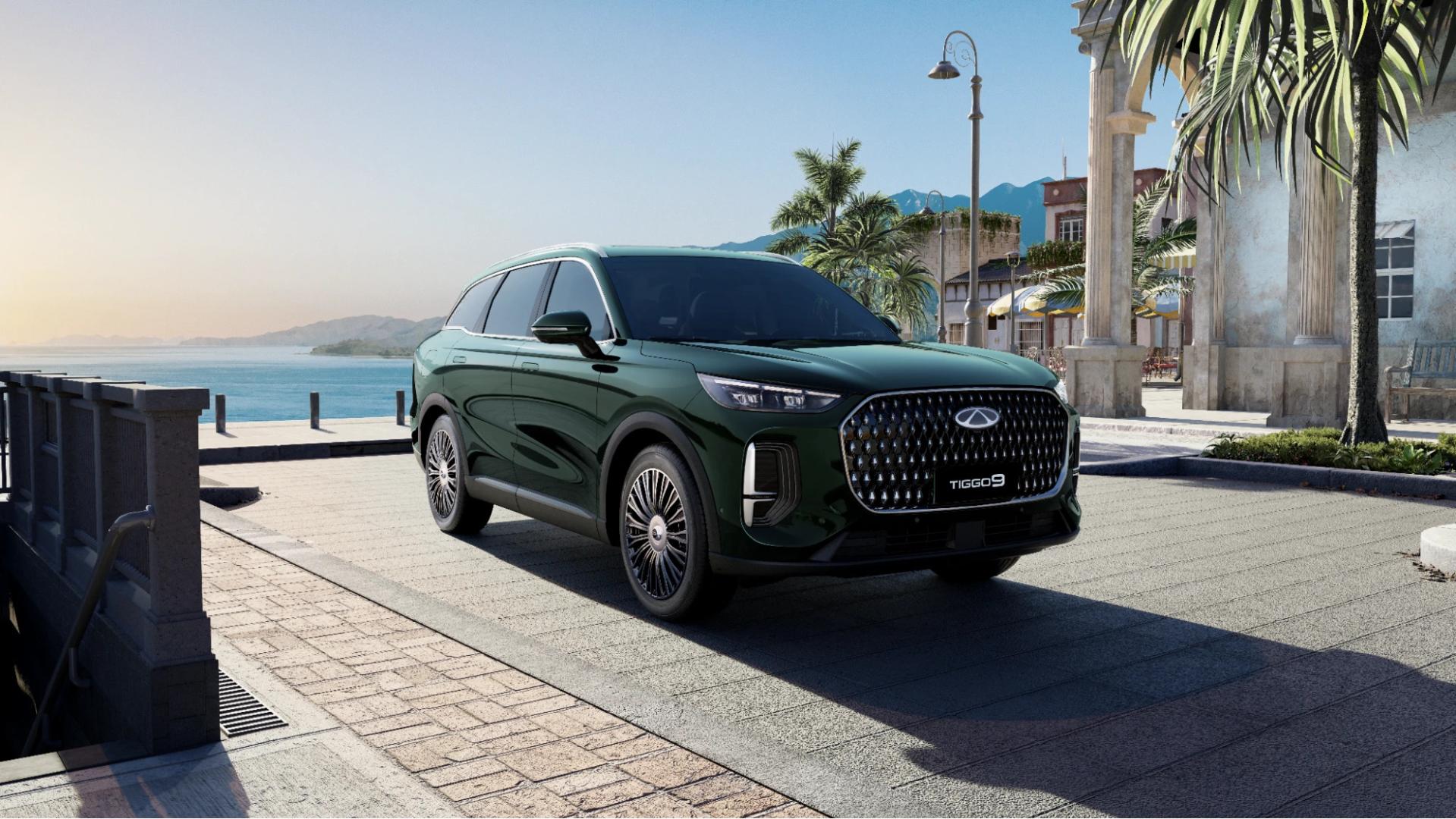
In Indonesia, Chery has already introduced Tiggo 8 CSH and Tiggo 9 CSH as plug-in hybrid models. The Tiggo 8 CSH, equipped with an LFP battery, can drive up to 90 km in pure electric mode and over 1,300 km in total range. Meanwhile, the Tiggo 9 CSH, featuring an NCM battery, offers up to 180 km+ of electric range and a combined power output of 395 PS. Both deliver fuel efficiency and high performance through Chery Super Hybrid (CSH) technology.
Quick Comparison: EV vs HEV vs PHEV
Here’s a summary of how these three electrified vehicle types differ — along with their key pros and cons:
Aspect | EV | HEV | PHEV |
| Power Source | 100% electric | Gasoline engine + small electric motor | Gasoline engine + large electric motor |
| Charging Method | External charger | Regenerative braking only | External charger and regenerative braking |
| Electric Range | 200–500 km | 15–25 km | 480–960 km (combined) |
| Best For | City and intercity driving with charging access | Urban users without charging access | Suburban or mixed-distance users |
| Advantages | Zero emissions; silent drive; fast acceleration; low maintenance; lowest running cost | Low emissions; excellent fuel economy; practical for daily city driving | Low emissions; electric-only mode for short trips; flexible for long-distance travel |
| Drawbacks | Long charging times; limited charger network | Still dependent on gasoline; smaller battery; more complex maintenance | Requires charging for optimal efficiency; higher upfront and maintenance costs |
So, Which One Suits You Best?
The ideal electrified car depends on your lifestyle and environment. If you live in a major city and have access to home or public chargers, an EV is the most efficient and future-ready choice. If you frequently travel long distances, a PHEV offers the best balance between power and flexibility. And if you want fuel savings without worrying about charging, an HEV is the most practical option.
Electric vehicles are no longer just the future, they’re already part of our present. EVs provide total freedom from fuel, HEVs offer a smart balance of power and practicality, while PHEVs bridge the gap with unmatched flexibility.
With continuous battery advancements and expanding public charging infrastructure, Indonesia is moving steadily toward a cleaner transportation era. The government even targets 20% of new vehicles to be electrified by 2030.
If this momentum continues, within the next decade, the roar of gasoline engines may slowly give way to the quiet hum of electric motors and our cities will breathe cleaner air. Want to experience the future of electrified driving yourself? Visit your nearest Chery dealership to explore their full range of EV, HEV, and PHEV models and book a test drive today.