Are hybrid cars really more fuel-efficient, or just a marketing gimmick? As awareness grows about the importance of eco-friendly vehicles and fuel efficiency, hybrid cars are increasingly attracting consumer attention, especially among those who regularly drive in urban areas.
This trend will also be reflected at the Gaikindo Indonesia International Auto Show (GIIAS) this year, which is expected to be the premiere stage for various hybrid car models from several global automotive manufacturers. One of the largest automotive exhibitions in Indonesia, it will be held at the Indonesia Convention Exhibition (ICE) BSD City, Tangerang, for 10 days from July 24 to August 3, 2025.
Before you explore the line-up of hybrid cars to be showcased at GIIAS 2025, it’s worth first understanding the technology behind them. That way, you can objectively assess whether the efficiency advantages offered are truly worth it or just a marketing strategy.
How Hybrid Cars Work vs Conventional Cars
Hybrid cars rely on two types of power sources: a conventional gasoline engine and an electric motor, which work alternately or simultaneously depending on driving conditions. For example, when driving slowly or in traffic jams, the electric motor takes over, allowing the vehicle to move without using fuel at all. Conversely, when extra power is needed or when driving at high speeds, the gasoline engine activates and can even work together with the electric motor to add more power.
This system differs from conventional gasoline cars, which rely solely on an internal combustion engine for all driving conditions. The advantage of conventional cars lies in their simpler mechanical system, easier maintenance, and a wider network of repair shops. However, without assistance from an electric motor, fuel consumption tends to be higher, especially when facing traffic jams or driving at low speeds.
How Fuel-Efficient Are Hybrid Cars?
Fuel savings are the main reason many drivers are starting to consider hybrid cars as an alternative to conventional cars. These savings are possible because of the system’s ability to optimize energy use, switching between the electric motor and the gasoline engine as needed.
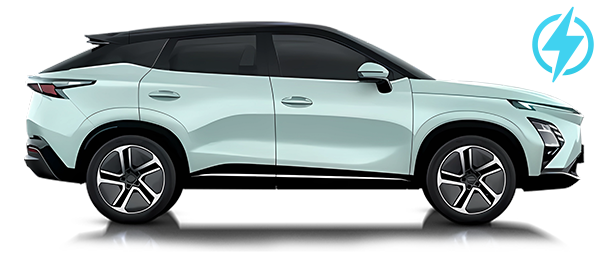
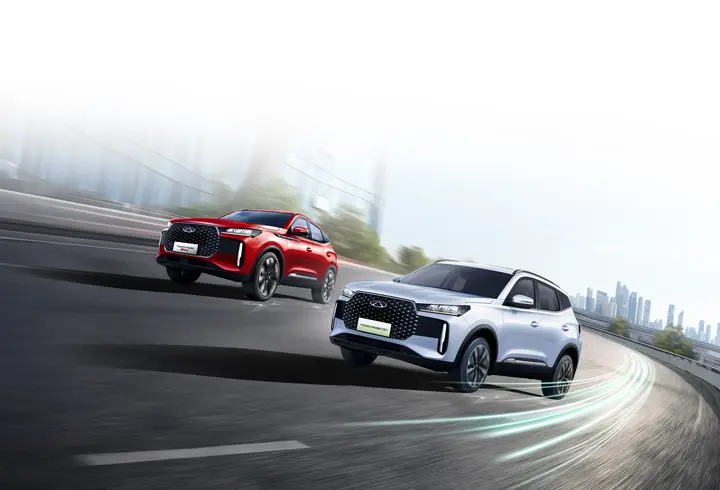
Take, for example, the hybrid car debuting at GIIAS, the Chery Tiggo Cross HEV. This crossover SUV has an average fuel consumption of about 5.0 liters per 100 km. This is considered highly efficient and much more economical compared to conventional gasoline cars in the same segment, which typically consume between 7 to 9 liters per 100 km in heavy traffic conditions. Technically, the Chery Tiggo Cross HEV delivers a combined output of up to 204 PS and 310 Nm of torque with a 1.83 kWh battery.
This efficiency is not only about fuel savings but also thanks to its integrated hybrid technology. Hybrid cars are specifically designed with an intelligent electric platform that combines the power of a gasoline engine and an electric motor to deliver maximum performance with minimal energy consumption. Chery’s manufacturing plants developed and rely on the Chery Super Hybrid (CSH) platform for all of their HEV SUVs. From both fuel consumption and power perspectives, hybrid cars have proven to offer better efficiency, especially for urban use.
Factors Affecting Hybrid Car Fuel Consumption
The fuel-efficient reputation of hybrid cars is well established, but several factors can influence their fuel consumption, such as:
- Road conditions: Uphill, uneven roads, or frequent heavy traffic jams can force both the engine and electric motor to work together, increasing energy consumption, especially if the battery isn’t sufficiently charged to support EV mode.
- Battery condition and hybrid technology: Over time, battery performance and hybrid system efficiency can decline. That’s why regular maintenance is essential to ensure all hybrid components remain in optimal condition.
- Driving style: Drivers who often accelerate suddenly or fail to use the regenerative braking feature effectively may reduce fuel efficiency. Hybrid cars generally perform best when driven smoothly and consistently.
Advantages and Disadvantages of Hybrid Cars Compared to Conventional Cars
To feel more confident about choosing a hybrid car, it’s also important to know its advantages and disadvantages:
Advantages of Hybrid Cars
- More Fuel Efficient: Designed with a combination of gasoline engines and electric motors, the hybrid system helps cars consume less fuel.
- Low Maintenance: Since the electric motor takes on part of the engine’s workload, combustion engine components are less strained. This extends the lifespan of components such as brakes, clutches, and engine oil.
- Strong Performance: The combined power of the gasoline engine and electric motor makes hybrid acceleration feel more responsive.
- Environmentally Friendly: The hybrid system supports a sustainable lifestyle with lower exhaust emissions.
- Longer Vehicle Lifespan: With regular servicing and a well-maintained battery, vehicle lifespan can remain optimal even for intensive daily use.
Disadvantages of Hybrid Cars
- Higher Initial Price: In terms of cost, hybrid cars are generally priced higher than conventional cars due to additional electrification technology.
- Different Driving Feel: Drivers may notice a unique transition between gasoline and electric power, especially if it’s their first time driving a hybrid. While not disruptive, it takes time to get used to the power shift characteristics.
With these characteristics, hybrid cars have proven to offer better fuel efficiency, especially for daily urban driving. Their dual system of electricity and gasoline makes fuel consumption more economical without sacrificing driving comfort. For those who want an efficient car but aren’t ready to fully switch to EVs, a hybrid car can be an ideal choice. Look forward to the line-up of hybrid cars from Chery debuting at GIIAS 2025—one might just be perfect for your daily needs!