Not every automotive consumer is ready to switch to a fully electric vehicle, yet the need for better fuel efficiency and lower emissions is becoming impossible to ignore. This is why hybrid cars have become the most relevant transitional option. The technology combines a gasoline engine with an electric motor, allowing energy to be produced and used more efficiently across various driving conditions.
For many drivers, hybrid cars answer three main concerns at once: reducing operational costs, delivering strong performance, and contributing to a more sustainable environment. As a result, hybrid sales have increased significantly in recent years.
In this article, we will cover everything from what a hybrid car is and how it works to the different types available today. We will also look at hybrid models currently in high demand in Indonesia, such as the Chery Tiggo Cross CSH and Tiggo 8 CSH. Here is the full breakdown.
What Is a Hybrid Car?
A hybrid car is a vehicle that combines two power sources: a gasoline engine and an electric motor. These systems work together to improve energy efficiency. The electric motor reduces the workload of the gasoline engine, especially at low speeds or in stop-and-go traffic. This helps prevent unnecessary fuel burn, which is why hybrids are significantly more fuel-efficient than conventional gasoline cars.
Meanwhile, the gasoline engine acts as a support system, a generator, and a backup power source when the battery is low or when extra performance is needed. The system is also supported by regenerative braking, which recovers energy during braking and converts it back into electricity to recharge the battery. This is one of the main reasons hybrid cars can achieve impressive fuel savings.
How Hybrid Cars Work
The hybrid system relies on an onboard electronic controller that determines the most efficient power source for each driving situation.
At low speeds, the electric motor becomes the primary driver. This is because the motor is more responsive and more energy-efficient during light-load conditions. When speed increases (for example, on the highway) or when greater power is required, the gasoline engine takes over. It may work independently or together with the electric motor to deliver combined torque.
Regenerative braking helps convert braking force into electrical energy, which is stored in the battery rather than wasted.
All energy transitions occur automatically. Drivers do not need to manually select when the car uses electricity or gasoline. The control system determines the optimal mode in real time, based on driving behavior and road conditions. As a result, you get a natural driving feel with dramatically better efficiency than a conventional gasoline car.
Types of Hybrid Cars
Although all hybrids combine gasoline and electric power, the technology varies. Each type provides different levels of electric capability.
1. Mild Hybrid
In a mild hybrid system, the electric motor only supports the gasoline engine. It cannot power the car on its own, which means there is no pure EV driving mode. Even so, the improvement in efficiency and smoother acceleration is noticeable because the engine carries a lighter load.
Mild hybrids are often chosen by buyers who want the benefit of electrification without changing their driving habits. The system is simple, uses fewer components, and does not require a large battery.
2. Full Hybrid (HEV)
A full hybrid system sits one level above mild hybrids. The electric motor can drive the car by itself, although only for short distances and under specific conditions. There is no need for external charging since the battery is recharged through regenerative braking and the gasoline engine acting as a generator.
The distinction is clear. In mild hybrids, the electric motor only assists. In full hybrids like the Chery Tiggo Cross CSH, the gasoline engine serves as a secondary power source that steps in when additional power is needed or when the battery is low.
Full hybrids are ideal for city driving and for users who want efficiency without relying on public charging stations.
3. Plug-in Hybrid (PHEV)
A plug-in hybrid is the most complete form of hybrid technology. It offers a larger battery, a longer pure EV driving range, and the ability to charge externally. Some PHEVs can operate entirely as EVs for daily city commuting without using gasoline at all. This is what makes models like the Chery Tiggo 8 CSH highly relevant for those planning a gradual transition to full electric vehicles.
At the same time, PHEVs still provide the flexibility of a gasoline engine for long-distance travel or when extra performance is needed. This gives drivers the best of both worlds.
Pros and Cons of Hybrid Cars
Hybrid cars are designed to bridge the gap between gasoline and fully electric vehicles. Their combined power sources offer real benefits for users, such as:
- Up to 40% better fuel efficiency
- Lower emissions
- Strong performance
- No charging required for HEVs
However, hybrid cars also have certain drawbacks due to their dual systems. Buyers should consider long-term ownership costs, including:
- Higher upfront price
- Battery lifespan limitations
- More complex maintenance
Read More: 8 Ways to Save Fuel When Driving An SUV
Hybrid and PHEV Review: Chery Tiggo Cross CSH and Tiggo 8 CSH
After understanding the theory of hybrid machines, here are two real examples available in Indonesia. Chery is one of the most active brands in pushing electrification, and these two models show how mature hybrid technology has become.
1. Tiggo Cross CSH as the Winner of “Favorite Hybrid Vehicle” at GIIAS 2025
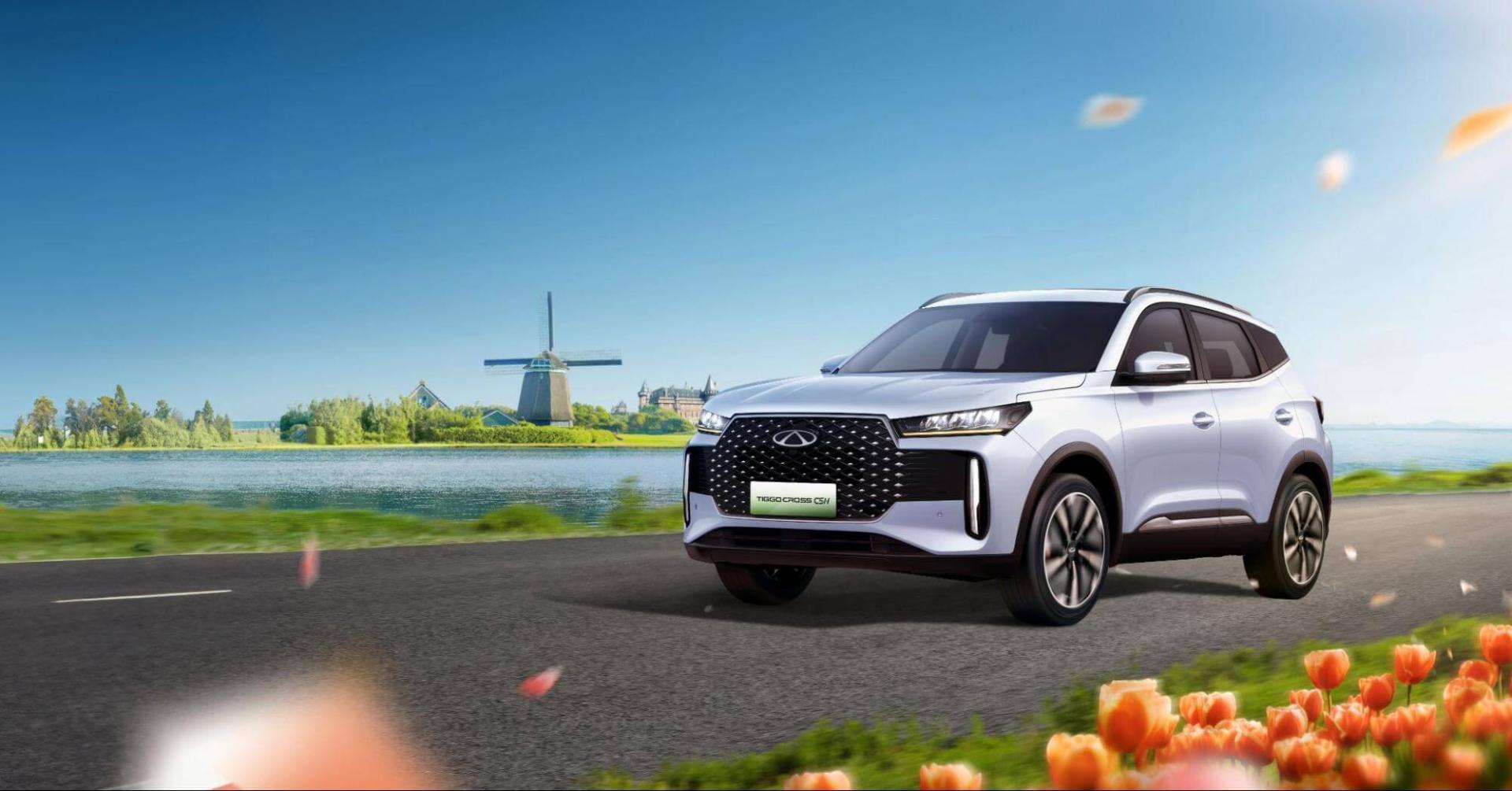
Chery Tiggo Cross CSH targets drivers who want efficiency and strong value without sacrificing driving excitement. It uses the ACTECO G4G15B 1.498 cc engine paired with a 201 HP electric motor and 310 Nm of torque. Its Dedicated Hybrid Transmission ensures smooth and natural coordination between the engine and electric motor. The 1.8 kWh LFP battery balances the system’s energy use.
Acceleration is quick, reaching 0–100 km/h in 8 seconds, while fuel consumption is about 20 km per liter (WLTC). The interior features dual 10.25-inch displays, Android Auto and Apple CarPlay, Carlink O, a panoramic sunroof, dual-zone AC, and electric driver’s seat.
Safety features include driver drowsiness detection, 540° HD panoramic cameras, 17 ADAS features, 7 airbags, and a high-strength steel frame. Chery also offers premium after-sales support, including a 10-year engine warranty, 8-year battery warranty, and four years of free service labor.
2. Tiggo 8 CSH, Best Selling PHEV in 2025
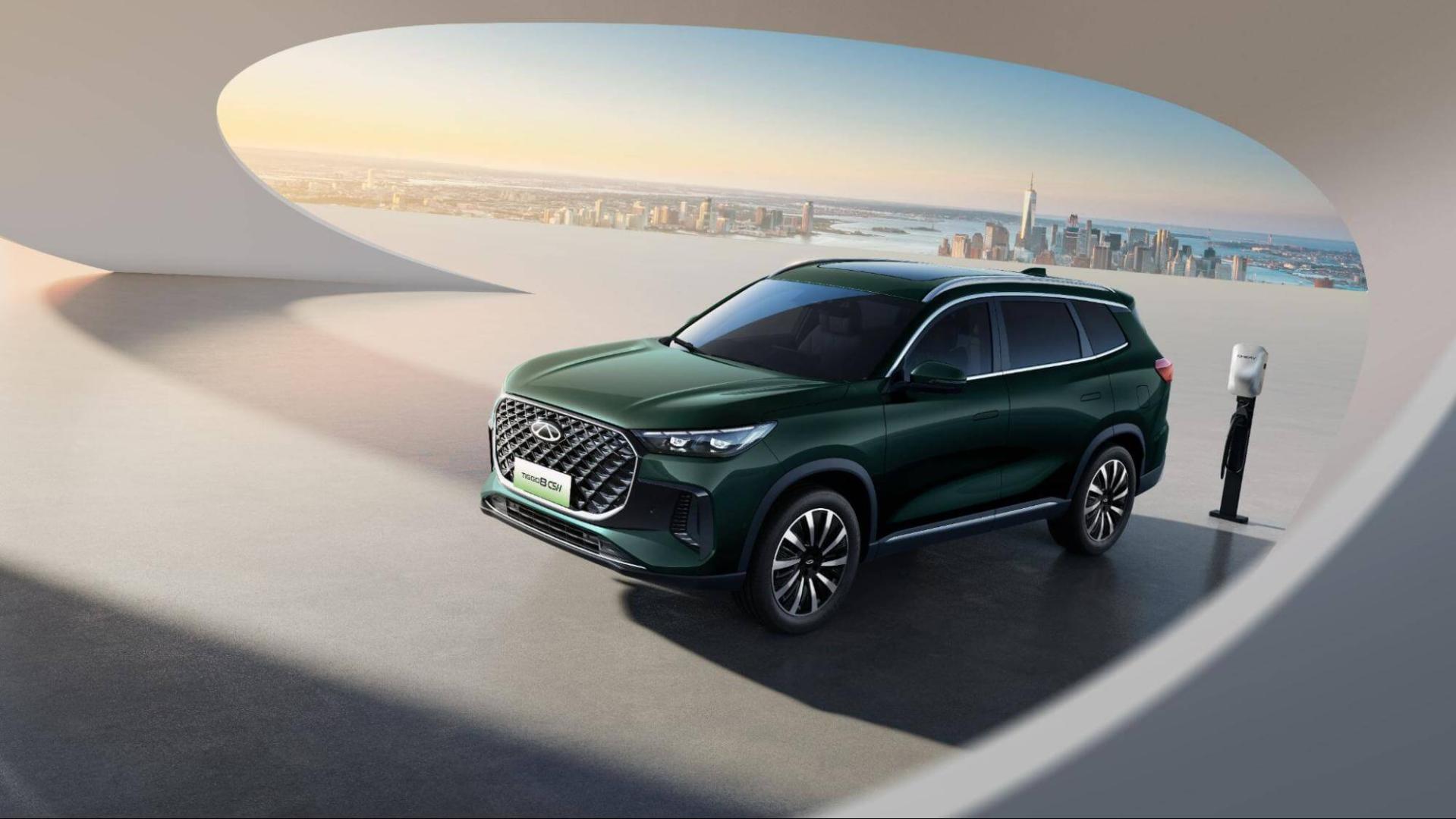
The Tiggo 8 CSH is a premium SUV and the best-selling PHEV of 2025. It uses a 1.5L turbocharged engine producing 143 PS and 215 Nm, with a combined hybrid output of 240 PS and 310 Nm. The 1-DHT system ensures efficient power delivery even during high-demand situations.
Its 18.3 kWh battery enables over 90 km of EV-only driving, and the total range exceeds 1,300 km on a full charge and full tank. This makes it ideal for both city commuters and long-distance travelers.
The interior includes a 15.6-inch 2.5K infotainment display, 540° HD camera, 12 speakers, Vehicle-to-Load (V2L) capability, automatic sensing tailgate, and 14 ADAS features.
Both models show that Chery’s hybrid lineup is not merely a trend but a well-executed electrification strategy with direct benefits for everyday users.
Why Are Hybrid Cars More Fuel Efficient?
Hybrid cars rely on the electric motor during situations such as starting, low-speed driving, and initial acceleration. This reduces the workload of the gasoline engine. Smart transitions between electric and gasoline power and the use of regenerative braking help recover energy that would normally be wasted. All of these factors contribute to significantly better fuel economy.
How Long Do Hybrid Batteries Last?
Hybrid batteries typically last around 8 to 10 years or roughly 160,000 to 200,000 km, depending on usage and environmental conditions. Many manufacturers offer long battery warranties, such as Chery with its 8-year warranty for the Tiggo Cross CSH and 10-year warranty for the Tiggo 8 CSH.
Hybrid cars offer an ideal balance for drivers seeking better fuel efficiency without sacrificing performance or waiting for fully developed EV infrastructure. By combining gasoline and electric power, hybrids deliver lower emissions, smarter energy use, and a natural driving experience.
If you are curious to experience the difference yourself, consider test-driving Chery’s latest hybrid and PHEV models at your nearest dealership.