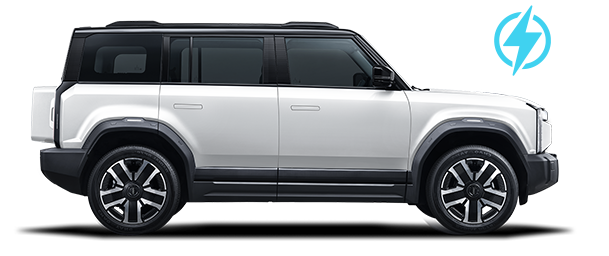
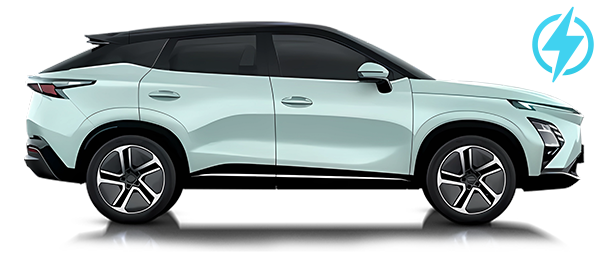
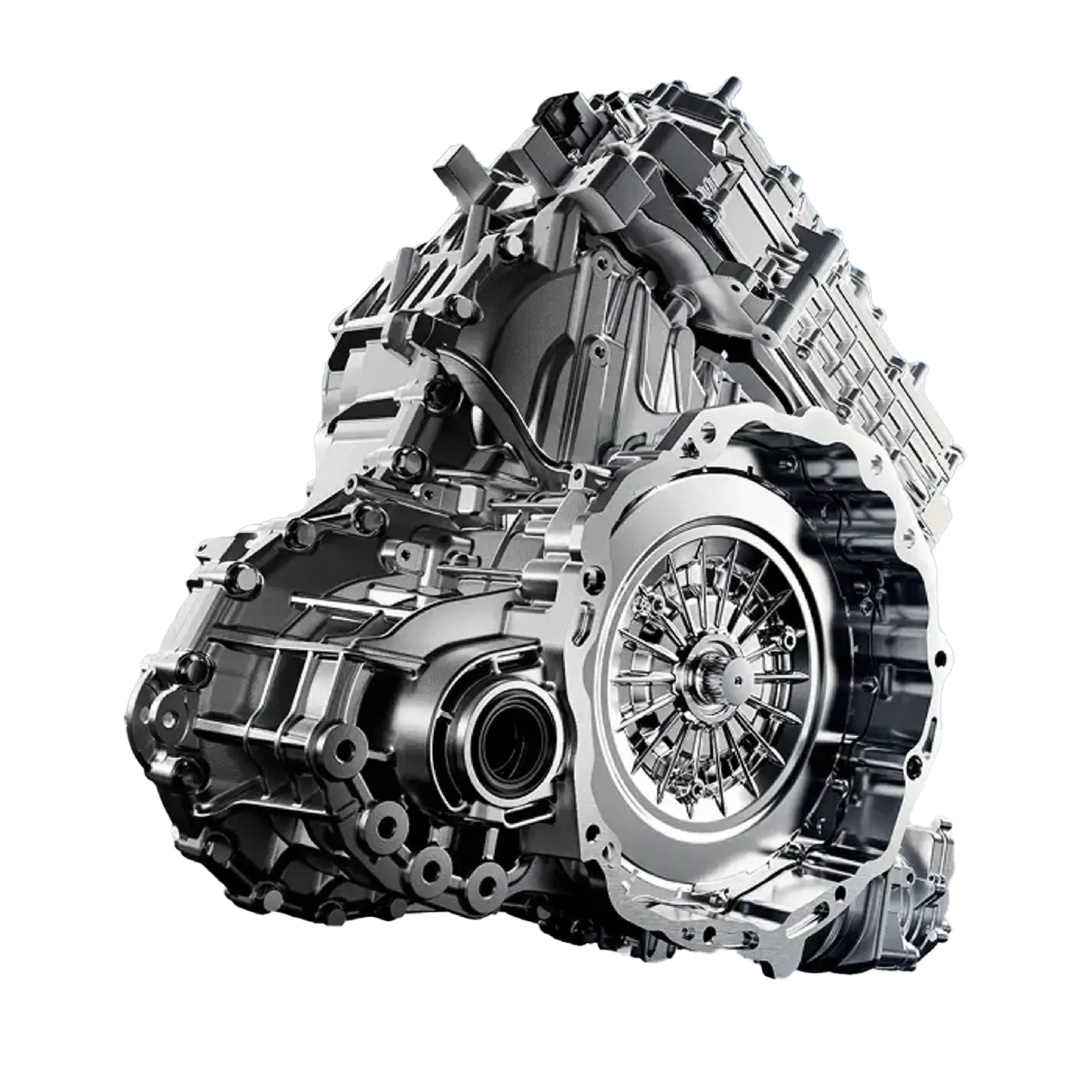
Hybrid technology cars are increasingly in demand because they offer efficiency and are more environmentally friendly. Many hybrid cars from various brands are now marketed in Indonesia. Available in various types such as SUVs, hatchbacks, and MPVs, hybrid cars have become an attractive choice for modern mobility needs.
Many automotive manufacturers adopt hybrid technology as a transition step from conventional engines to electrification. The combination of gasoline engines and electric motors not only improves efficiency but also delivers a smoother driving experience with lower emissions.
In addition, hybrid cars themselves come in several types, such as full hybrid, mild hybrid, and plug-in hybrid (PHEV). For those who are considering an electrified car, let’s first look at how hybrid technology works and its advantages compared to conventional cars.
What Is Hybrid Technology?
Hybrid technology in cars is an advanced system that combines two power sources: an internal combustion engine and an electric motor. This technology is designed to optimize fuel efficiency, reduce exhaust emissions, and provide a more responsive driving performance.
The hybrid system allows a car to operate using only the gasoline engine, only the electric motor, or a combination of both automatically. They work alternately or simultaneously depending on the situation, adapting to road conditions and power needs.
Today, hybrid technology is widely applied to passenger cars such as sedans, Sport Utility Vehicles (SUVs), and Multi-Purpose Vehicles (MPVs). Some automakers are also starting to develop hybrid vehicles for light commercial sectors such as pickups or vans.
How Hybrid Technology Works
A hybrid car works by combining two main power sources: the gasoline engine (conventional) and the electric motor. The electric motor is usually used when the vehicle is running at low speeds, such as when starting or moving slowly in traffic.
When the car requires greater power, the gasoline engine operates or works together with the electric motor to deliver stronger performance. The onboard computer system automatically regulates the switch or combination of both power sources to optimize efficiency.
The electric motor in a hybrid car gets its energy from a special battery that differs from a regular car battery. This battery does not require manual charging because it features a regenerative braking system. When braking, the energy normally released as heat is converted into electricity and stored in the battery.
Hybrid cars also use a Start–Stop System, which allows the gasoline engine to shut off automatically when the car stops. The electric motor keeps the system running, and when the accelerator is pressed, the electric motor moves the car first before the gasoline engine restarts when needed.
Types of Hybrid Systems
Hybrid car technology comes in several types, distinguished by how they operate and the role of the electric motor. Here are three main types of hybrid cars you should know about:
1. Full Hybrid
A Full Hybrid is a type of hybrid car that can run on just the electric motor, just the gasoline engine, or a combination of both. This system is the most flexible because it can adjust power usage, such as using the electric motor at low speeds or switching to the gasoline engine when more power is required.
2. Mild Hybrid
A Mild Hybrid system is equipped with a small additional battery that functions as an auxiliary power source. This helps reduce the load on the engine during startup, when more power is needed.
Unlike other hybrid types, a mild hybrid does not use a separate electric motor. Instead, it optimizes the use of a starter generator, which combines the starter motor and alternator in the main engine.
3. Plug-in Hybrid (PHEV)
A Plug-in Hybrid Electric Vehicle (PHEV) functions like a full hybrid but comes with a larger battery. The battery can also be recharged using an external power source. A PHEV can travel longer distances purely on electric power before switching to the gasoline engine once the battery is depleted.
Advantages of Hybrid Technology
Hybrid cars are popular not only because of their efficiency and eco-friendliness. As a modern vehicle innovation, they also offer various other benefits for users.
Here are some advantages of hybrid technology that make many people interested in owning one:
1. Fuel Efficiency
One of the main advantages of hybrid cars is fuel efficiency. With the support of an electric motor, a hybrid car can reduce dependence on the gasoline engine, especially at low speeds or in traffic jams. This results in significantly better fuel savings compared to conventional cars.
2. Lower Emissions
Since part of the power comes from the electric motor, hybrid cars produce lower emissions. Therefore, using hybrid cars also contributes to reducing air pollution and carbon emissions.
3. Smoother and Quieter Driving Experience
The electric motor in a hybrid car operates silently and provides smooth acceleration. The transition between the gasoline engine and electric motor occurs automatically and almost unnoticeably, creating a calmer and more comfortable driving experience.
4. More Efficient Long-Term Operating Costs
Although the initial price of a hybrid car may be higher, its fuel efficiency and reduced gasoline engine usage lower long-term operating costs. Over time, hybrid cars prove more economical. In addition, regenerative braking extends the lifespan of brake components.
5. No Special Charging Required (for non-PHEV)
For regular hybrid cars (non-Plug-in Hybrid), the battery recharges automatically while the car is in use. Charging mainly occurs during braking or when the gasoline engine is active. Drivers don’t need to manually recharge at special charging stations like with full electric vehicles or PHEVs.
Efficiency Compared to Conventional Cars
Hybrid technology cars are more fuel-efficient than conventional gasoline-powered cars. This happens because the hybrid system automatically manages the workload distribution between the gasoline engine and electric motor based on needs.
In certain conditions, such as at low speeds or in traffic, the electric motor alone can operate without assistance from the gasoline engine. This operating principle significantly reduces fuel consumption. Hybrid cars can save up to 30–50% on fuel usage, depending on the type of hybrid system, road conditions, and driving style.
In summary, hybrid technology in modern cars offers many advantages. Hybrid cars are superior in fuel efficiency and lower emissions compared to conventional cars. The use of hybrid technology is a solution toward the future of sustainable vehicles.
Hybrid cars are highly suitable for those who need advanced, efficient vehicles for daily use or heavy mobility. They are also a great option for those who are not yet ready to switch fully to electric cars.
The Chery Tiggo Cross HEV is one such hybrid car that brings various advantages. Beyond its hybrid technology, it also offers futuristic design, advanced features, and high-level safety systems. For those interested, you can try a test drive at the nearest Chery dealer or visit the official Chery Indonesia website for complete information and the latest offers!