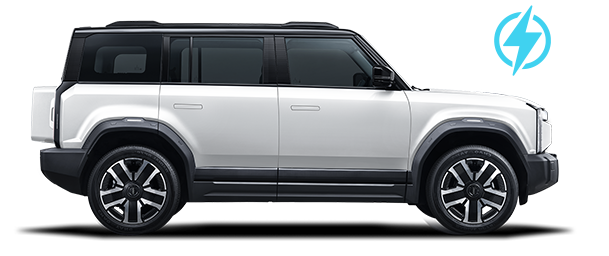
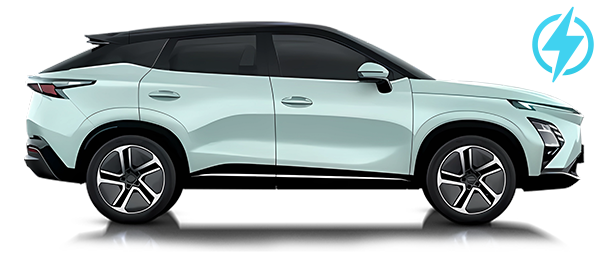
A Plug-in Hybrid Electric Vehicle (PHEV) is a type of electric car that has been gaining popularity in Indonesia’s automotive market. Unlike fully electric vehicles, a PHEV combines two power sources: a gasoline engine and an electric motor powered by a battery.
PHEVs offer a practical solution for consumers who want to enjoy the benefits of electric vehicles without worrying about the limited driving range of a battery. These cars are designed to be energy-efficient, eco-friendly, and flexible, allowing drivers to switch between electric power and gasoline as needed.
For those who aren’t fully ready to transition to a Battery Electric Vehicle (BEV), a PHEV often becomes the preferred choice. If you’re considering switching to an electric-powered car or planning to buy one, it’s worth understanding what a PHEV is, how it works, and what advantages it offers.
What Is a PHEV?
A Plug-in Hybrid Electric Vehicle (PHEV) is a type of electric vehicle that combines a gasoline engine with an electric motor powered by a rechargeable battery. Unlike a conventional hybrid vehicle (HEV), a PHEV’s battery can be recharged through an external charger (plug-in), similar to a fully electric vehicle.
In addition to being charged via an external power source, a PHEV’s battery can also be replenished through the internal combustion engine (ICE) and regenerative braking. During braking, the electric motor acts as a generator, converting kinetic energy into electricity to recharge the battery.
PHEVs are designed to be energy-efficient and environmentally friendly while still supporting long-distance travel. With a battery that can be charged externally, PHEVs allow drivers to use electric power for daily commutes and rely on the gasoline engine for longer journeys.
Typically, PHEVs operate in two main driving modes: all-electric mode and hybrid mode. In all-electric mode, the car runs entirely on battery power. In hybrid mode, the vehicle combines both electric and gasoline power to propel the car.
How a PHEV Works
A PHEV operates by combining an electric motor with a gasoline engine to deliver both performance and efficiency. Typically, a PHEV starts a trip in all-electric mode, relying solely on electric power until the battery is depleted.
In some PHEV models, the system can switch to hybrid mode when the vehicle is cruising steadily on highways at around 60–70 miles per hour. Once the battery is drained, the gasoline engine automatically takes over, allowing the vehicle to function like a conventional hybrid.
This power-switching system is designed to work automatically without driver intervention, ensuring smooth transitions that don’t disrupt the driving experience. Thanks to this mechanism, PHEVs are versatile for both daily urban commutes and long-distance travel.
Benefits and Advantages of PHEVs
PHEVs offer a variety of benefits that are advantageous for drivers, providing both fuel efficiency and enhanced convenience. Here are some of the top advantages that make PHEVs increasingly popular:
Better Fuel Efficiency
One of the main advantages of PHEVs is their ability to save on fuel consumption. PHEVs can run on electric power for short distances, which means the gasoline engine doesn’t always need to operate. This helps reduce the amount of fuel used, especially for drivers who mainly travel shorter distances.
Thanks to the combination of an electric motor and a gasoline engine, PHEVs allow drivers to optimize the use of electric energy and gasoline as needed. As a result, fuel efficiency improves significantly, lowering operational costs.
Lower Emissions and Eco-Friendly
Another key benefit of PHEVs is their lower emissions. Since PHEVs often operate in electric mode, they produce significantly fewer exhaust emissions compared to conventional vehicles.
When running purely on electric mode, PHEVs produce zero tailpipe emissions. This reduced emission level helps decrease air pollution and supports environmental conservation efforts.
Home Charging Convenience Like EVs
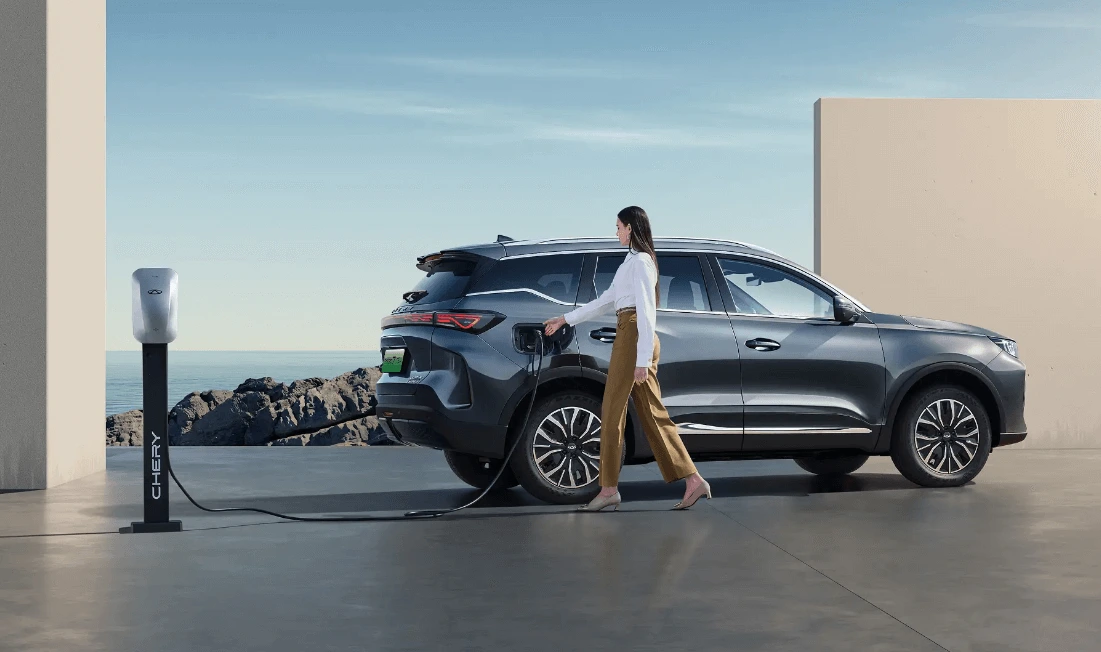
A standout feature of PHEVs is the ability to recharge the battery using an external charger, an advantage that standard hybrid vehicles don’t offer. PHEV batteries can be conveniently recharged at home using a regular power outlet or a dedicated home charger.
Charging a PHEV at home is straightforward—simply connect the charging cable from the vehicle to the power source. This convenience makes PHEVs practical to use without the need for frequent trips to public charging stations.
Strong Performance for Long-Distance Travel
PHEVs are designed to combine the strengths of both electric and gasoline-powered vehicles. When the battery runs out of charge, the gasoline engine automatically activates to ensure the car keeps moving without interruption.
This system makes PHEVs more flexible and reliable for long-distance journeys, especially in areas where charging infrastructure is still limited. In addition, the electric motor in PHEVs delivers instant torque, providing responsive acceleration and a smoother driving experience.
Lower Operational Costs
Compared to conventional gasoline-powered cars, PHEVs generally offer lower operating costs. Using electric power for daily commutes is usually cheaper than relying on gasoline, helping reduce monthly expenses.
Furthermore, electric motors have fewer moving parts than internal combustion engines, meaning maintenance requirements, like oil or filter changes, are less frequent for PHEV owners. As a result, the long-term maintenance costs of PHEVs tend to be lower.
A More Comfortable Driving Experience
When driving in EV mode, PHEVs produce smoother and quieter engine noise. This enhances the overall driving experience, particularly in residential areas or during nighttime driving.
Additionally, reduced vibrations make PHEVs feel smoother on the road. This advantage provides extra comfort for both passengers and drivers alike.
PHEV Cars Available in Indonesia
One of the Plug-in Hybrid Electric Vehicles (PHEVs) available in Indonesia is the Chery Tiggo 8 CSH. This 7-seater SUV features the latest hybrid technology, the fifth-generation Chery Super Hybrid system, which combines a 1.5L turbocharged gasoline engine.
The Chery Tiggo 8 CSH is equipped with an 18.3 kWh Lithium Iron Phosphate battery that is water- and dust-resistant, certified with an IP68 rating. This PHEV can travel up to 90 km in pure electric mode and achieve a total range of up to 1,300 km by combining both gasoline and electric power.
Another highlight is its Vehicle-to-Load (V2L) feature, which allows the car to function as an external power source. Thanks to this advanced feature, the Tiggo 8 CSH can serve as a portable generator when needed, for example, during outdoor activities or while driving in nature.
That concludes the explanation of what a Plug-in Hybrid Electric Vehicle (PHEV) is as one of the most popular types of electric cars today. PHEVs are an ideal choice for drivers who want an eco-friendly vehicle with extended driving range, thanks to the combination of a gasoline engine and an electric motor.
Now is the perfect time to start considering a PHEV as your future vehicle. This technology not only supports environmental sustainability but also offers comfort and advantages that suit modern mobility needs. Check out Chery’s PHEV models and their full specifications at chery.co.id.