Tips & Tricks
5 Essential EV Safety Features You Must Have in 2026
Learn about the 5 essential electric vehicle (EV) safety features you must have in 2026 for maximum protection of drivers and passengers.
The Indonesian government remains committed to achieving its Net Zero Emission (NZE) target by 2060 through major strategies such as renewable energy development and transport electrification. One of the key initiatives is the 2025 electric car subsidy, designed to encourage the public to switch from fossil-fuel vehicles to environmentally friendly electric cars.
With this subsidy, consumers can enjoy more affordable EV prices, while the domestic automotive industry is encouraged to increase production in line with the Local Content Requirement (TKDN) standard. This incentive scheme not only benefits consumers but also plays a significant role in reducing emissions and accelerating the transition to clean energy. So, how can you claim this incentive? Let’s take a closer look.
EV owners enjoy unique benefits through government subsidies in the form of VAT incentives, making electric cars more affordable. This includes a reduction in the luxury goods sales tax for eligible EVs that meet TKDN requirements, as regulated under Minister of Finance Regulation No. 38/2023, which states: A 10% VAT incentive is granted for battery electric vehicles with a minimum TKDN of 40%.
The main goals of this policy are to promote EV adoption, reduce emissions in support of the Net Zero Emission program, and cut fossil fuel consumption. So, what are the requirements to qualify?
To ensure the subsidy is properly targeted, the government has set several conditions for both consumers and manufacturers. The main requirements include:
Supporting documents generally required: e-KTP, NPWP (if applicable), and an official dealer purchase form.
For those who meet the requirements, the process to obtain the EV subsidy is straightforward:
With this mechanism, consumers don’t need to manually apply for the subsidy since the entire process is handled by official dealers.
The implementation of the 2025 electric car subsidy brings wide-ranging benefits for individuals, the automotive industry, and the environment:
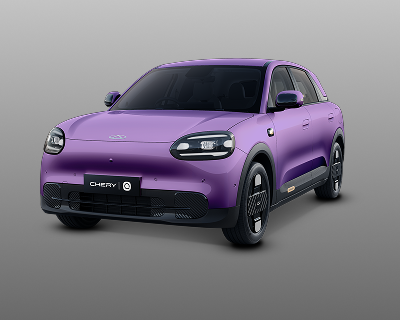
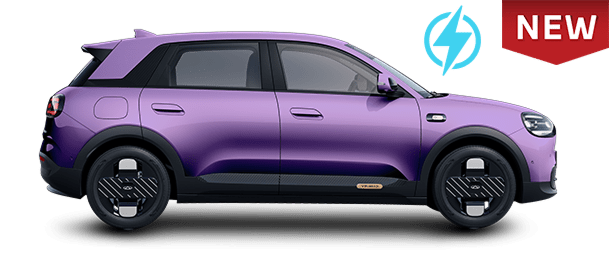
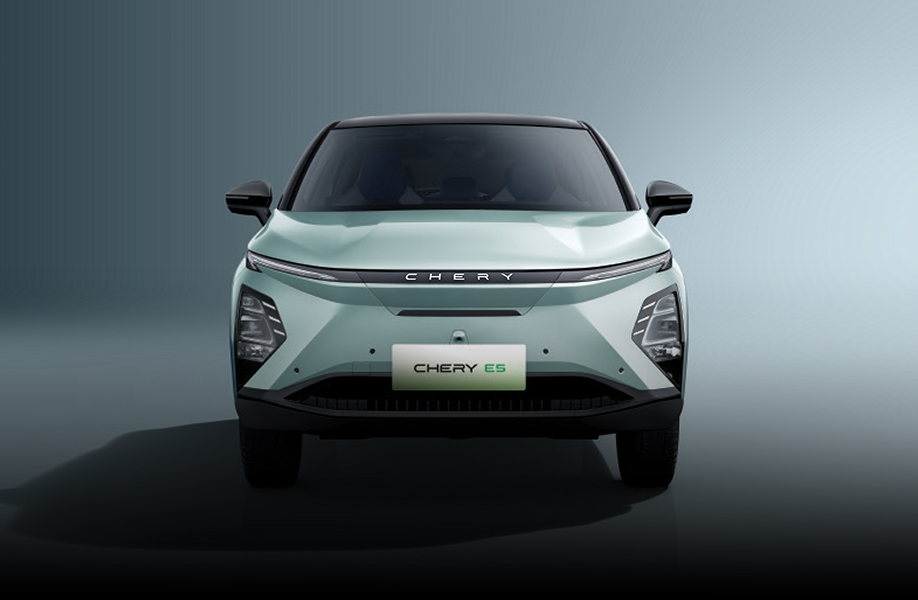
Chery offers a lineup of EV SUVs included in the 2025 government incentive program with 40% TKDN. Both models provide modern specifications, high efficiency, and advanced technology.
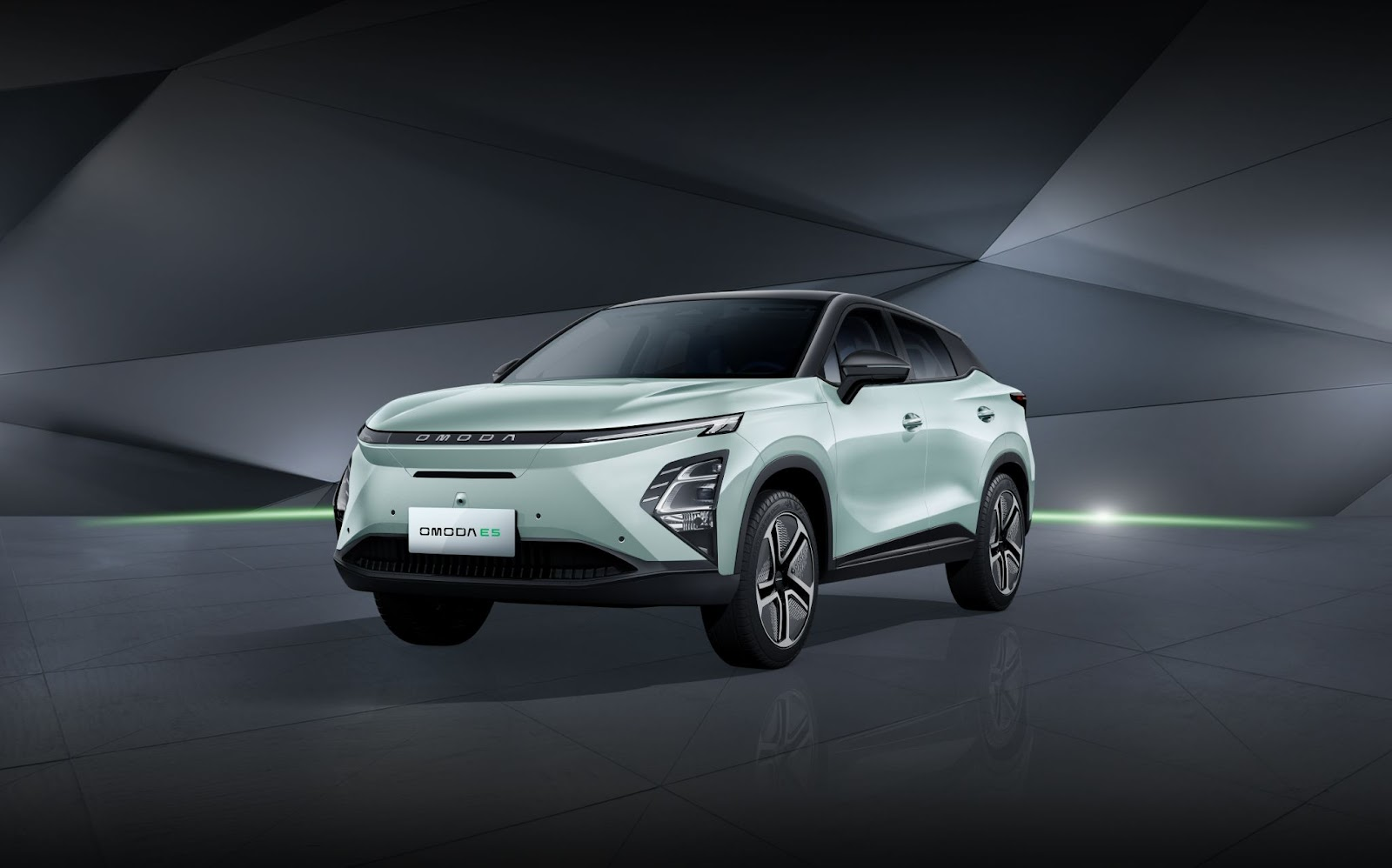
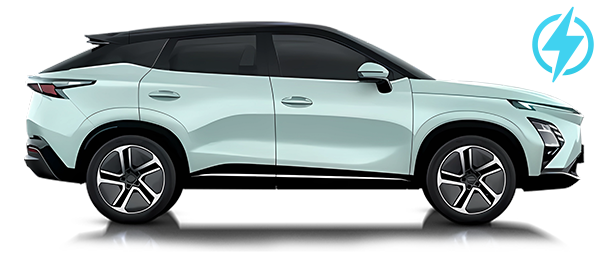
The Chery E5 is powered by a PMSM electric motor producing 201 hp and 340 Nm torque, paired with a 61 kWh lithium-ion battery that delivers a range of up to 430 km (WLTP) or 505 km (NEDC). It supports 150 kW DC fast charging, recharging from 30–80% in just 28 minutes.
In terms of design, the E5 measures 4,424 x 1,830 x 1,588 mm with a 2,630 mm wheelbase, featuring a modern grille-less front, full-width rear lights, and 18-inch wheels. The cabin blends blue, white, and black tones, with a 24-inch infotainment display powered by a Qualcomm 8155 processor.
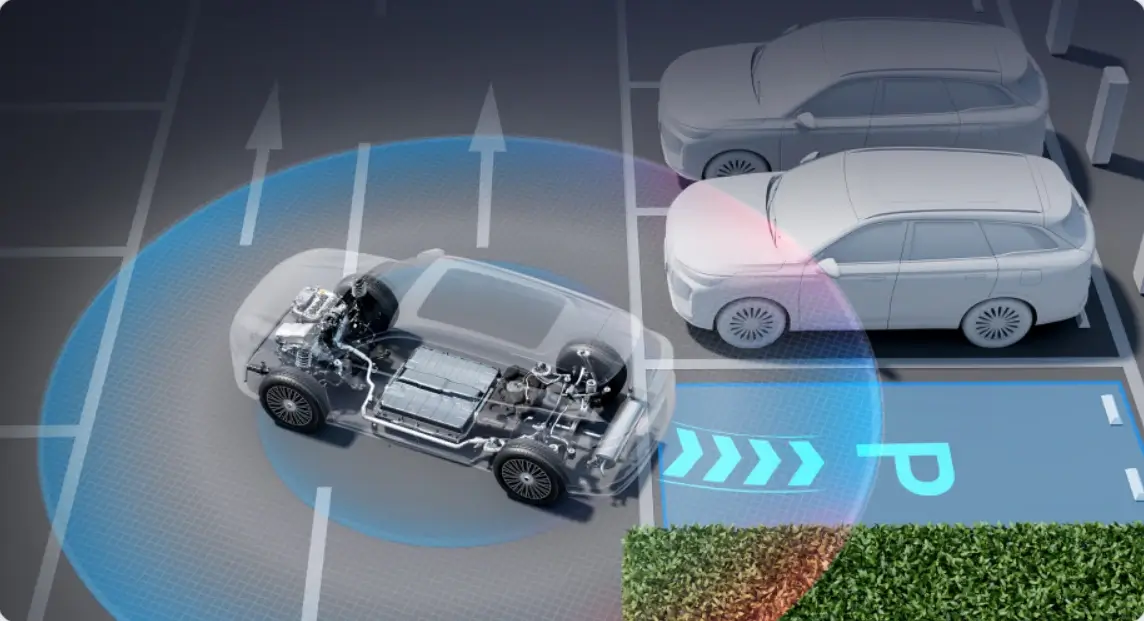
For safety, it offers 17 ADAS features (class-leading), 6 airbags, ISOFIX, and V2L 3.3 kW capability with Type 2 (AC) and CCS2 (DC) ports. It also provides Eco, Sport, and Normal driving modes.
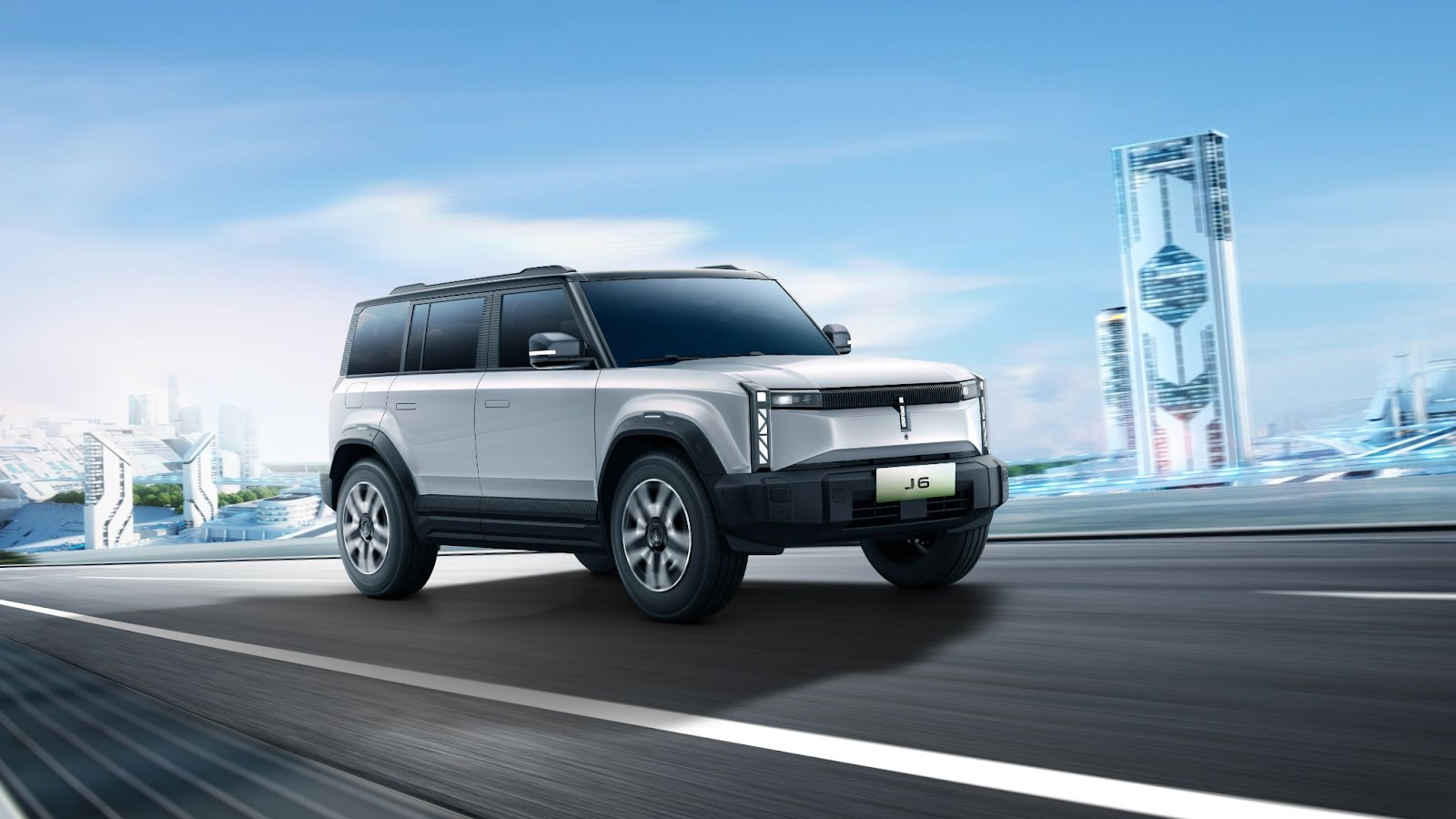
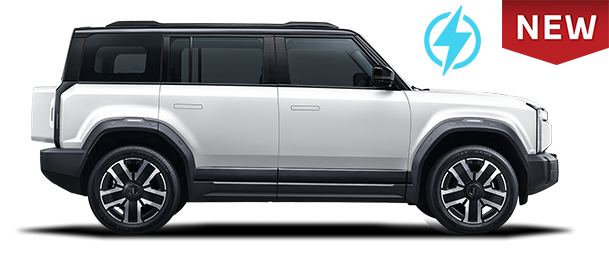
The Chery J6 is an off-road-oriented electric SUV measuring 4,406 x 1,910 x 1,715 mm, with a 2,715 mm wheelbase and 190 mm ground clearance, making it capable of tackling rough terrain.
It comes in two drivetrain options:
In terms of technology, Chery J6 is equipped with advanced ADAS features, including Adaptive Cruise Control, Lane Keeping Assist, and Blind Spot Monitoring. Built on the IMS (Intelligent Modular Structure) platform with aluminum construction, it ensures durability and rigidity. Inside, it offers a spacious cabin with a 450-liter expandable trunk and 35 storage compartments, making it practical for daily use and long trips.
The 2025 electric car subsidy not only helps consumers access EVs at lower prices but also drives Indonesia’s automotive industry to grow in line with TKDN standards and accelerates the journey toward Net Zero Emission 2060. If you are considering switching to a modern electric SUV such as the Chery E5 or Chery J6, now is the perfect time to take advantage of this incentive. Visit your nearest official Chery dealer to experience the future of driving today.


 Ini Manfaat & Cara Kerjanya.webp)
We place cookies in order to make sure our website works properly and to improve your browsing experience, to streamline and personalize our marketing content and to show you personalized advertisements (including on third party websites). We sometimes share cookie data with our partners for these purposes. Our cookies remember your settings and the data you fill out on forms on our website and analyse traffic to our website. Our cookies also register how you found us and collect information about your browsing habits. You can read more about our use of cookies in our Cookie Notice.