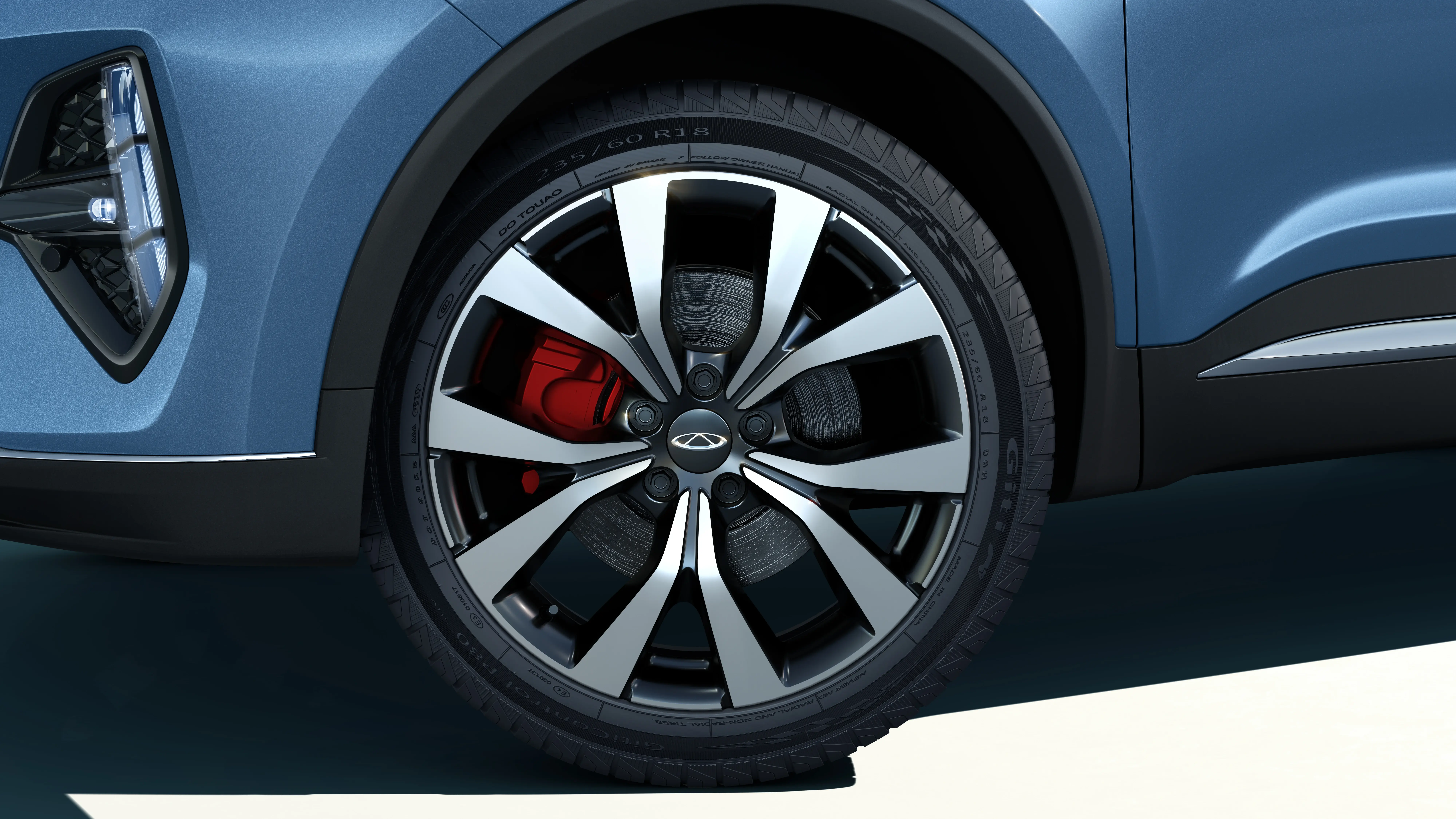
Ever feel like your car’s appearance is lacking even though the body is spotless? The wrong choice of wheels might be the culprit. Wheels are not just about aesthetics—they play a crucial role in transferring engine power to the tires, assisting in braking, and improving overall performance.
Unfortunately, many drivers are not familiar with the full range of wheel types and their functions. The right wheels can enhance driving comfort and make your car look more proportional. So, what are the types and functions of car wheels? Let’s dive into the details in this article.
1. Standard (OEM) Wheels
Original Equipment Manufacturer (OEM) wheels are made directly by the car manufacturer or an officially licensed partner. They’re specifically designed and tested for certain car models to meet factory standards, ensuring optimal performance and proper fitment.
- Guaranteed quality and safety, having passed strict factory quality tests.
- Precisely engineered specs like PCD, offset, and width—no adapters or modifications needed.
- Helps maintain the vehicle’s value due to authenticity.
- Though designs are limited, OEM wheels match the car’s look for a cohesive style.
Best for those who prioritize comfort, safety, and originality.
2. Aftermarket Wheels
Made by independent manufacturers, these focus on aesthetics—design, color, and size customization to match personal style.
- Available in a variety of designs and sizes.
- Pricing ranges from budget to premium depending on materials and brand.
- Great for modifications but must consider technical factors for safety.
3. Forged Wheels
Strongest of the lot—made by heating and pressing aluminum for a dense, durable, yet lightweight result. Popular for high performance and fuel efficiency.
4. Cast Wheels
Made by pouring molten metal into a mold. Cheaper than forged wheels, offering a balance of looks and affordability.
5. Flow Forming Wheels
Formed by heating and spinning metal under pressure, making them about 20% stronger. Pricier due to complex manufacturing.
6. Split Rim Wheels
Multi-piece wheels that can be disassembled for easier repairs. Common in racing but more expensive.
7. Monoblock Wheels
Crafted from a single block of metal—lightweight, strong, but must be fully replaced if damaged.
8. Beadlock Wheels
Designed for off-road use with a locking system to keep tires secure under low pressure. Not ideal for daily driving.
Tips for Choosing the Right Car Wheels
- Size and PCD: Match the wheel specs to your car for safety and comfort. For example:
- Usage Type: OEM or cast for daily use; forged for racing; beadlock for off-road.
- Weight: Lighter wheels improve fuel efficiency and handling but must still be durable (learn more).
- Safety Certification: Look for SNI, JWL, or VIA-certified wheels.
- Professional Installation: Proper fitting prevents vibrations, uneven wear, and suspension damage.
Wheels are not just an aesthetic choice—they directly impact comfort and safety. Understanding the types and functions helps you choose wisely.
If you’re considering a new vehicle with top-quality components, including premium wheels, explore electric and fuel-powered options from Chery. Find the perfect model for your style by visiting a Chery dealer near you.