For drivers of manual cars, the leftmost pedal is a "close friend" that determines the smoothness of the ride. However, even for automatic car users, the clutch system remains a vital component working automatically beneath the hood.
We often hear terms like "worn clutch lining" or "burnt clutch smell," but what is the actual role of this component? Why can a car engine keep running when stopped, even though the wheels aren't turning? The answer lies in the Clutch system.
Let’s dissect the anatomy and working mechanism of the component that serves as the "gatekeeper" of engine power.
Primary Function of the Clutch: The Mediator
Simply put, the clutch functions as a disconnector and connector of power flow (torque) from the engine to the transmission (gears).
Imagine the car engine as a fan spinning rapidly. If you wanted to change the blades while the fan was still spinning, your hand would surely get injured. You need to turn off or disconnect its rotation for a moment, right?
That is the function of the clutch. It allows you to:
- Change Gears: Briefly disconnect power flow so that transmission gear shifts can be done smoothly without a "grinding" noise.
- Stop Without Killing the Engine: Separate the engine rotation from the wheels, so that at a red light, the engine remains alive (idling) even though the wheels have stopped completely.
- Smooth Initial Start: Connect the engine's rotating power to the stationary wheels gradually so the car doesn't jerk or jump when it starts moving.
Key Components in the Clutch System
This system works thanks to friction between disc components. Here are the main players:
- Flywheel: A heavy steel disc connected directly to the engine that spins following the engine's rotation.
- Clutch Disc (Friction Disc): A disc coated with friction material (like brake pads). It is sandwiched between the Flywheel and the Pressure Plate. This is the part that transmits power to the transmission.
- Pressure Plate: A cover that functions to press the Clutch Disc so it sticks firmly to the Flywheel.
- Release Bearing: A bearing tasked with pressing the spring on the Pressure Plate when the pedal is depressed.
How It Works: Press vs. Release
The clutch mechanism works counter-intuitively to what we might think.
1. When the Clutch Pedal is Pressed (Disengaged Position)
When your foot presses the pedal:
- The release bearing presses the diaphragm spring.
- The Pressure Plate's clamp on the Clutch Disc loosens.
- Result: The Clutch Disc "floats" and does not touch the Flywheel. The engine keeps spinning, but power is NOT transmitted to the transmission/wheels. This is when you shift gears.
2. When the Clutch Pedal is Released (Engaged Position)
When your foot lifts off the pedal:
- The spring pressure locks back in.
- The Pressure Plate clamps the Clutch Disc firmly against the Flywheel.
- Result: Because it is clamped, the Clutch Disc spins along with the engine speed. Power is TRANSMITTED fully to the transmission and wheels. The car moves forward.
Technological Evolution: From Heavy Pedals to Dual Clutch (DCT)
In the modern era, pressing a heavy clutch pedal in the middle of traffic is starting to be left behind. Automotive technology has evolved towards intelligent automatic transmissions, yet they still use the basic principles of a refined clutch.
One of the peak innovations in this technology is DCT (Dual Clutch Transmission).
As the name implies, this system uses two sets of clutches working automatically:
- Clutch A: Controls odd gears (1, 3, 5, 7).
- Clutch B: Controls even gears (2, 4, 6, reverse).
When you are driving in 1st gear (Clutch A active), Clutch B is already "prepared" holding 2nd gear. When it's time to shift, the system only needs to "swap roles" in milliseconds. The result? Super fast gear shifts, smoothness, and minimal power loss.
Application in Modern Vehicles
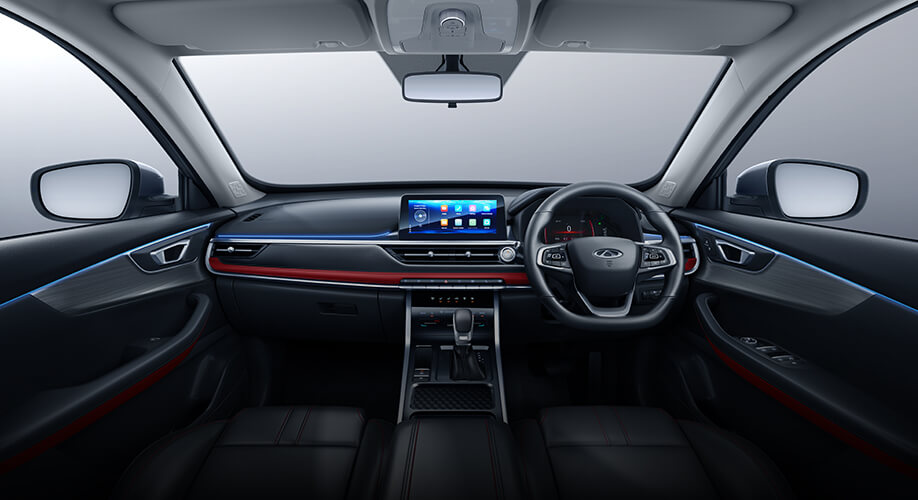
You can experience this advanced DCT technology in the Chery Tiggo Cross Sport. This family SUV utilizes a dual-clutch transmission to provide responsive acceleration while remaining fuel-efficient, eliminating the jerking symptoms usually felt in conventional automatics.
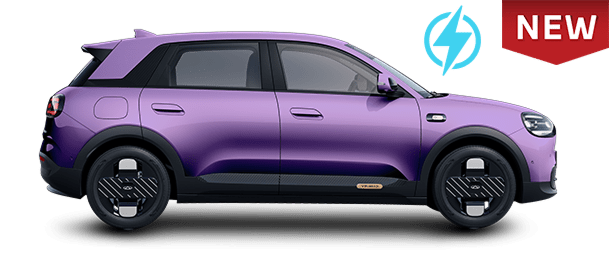
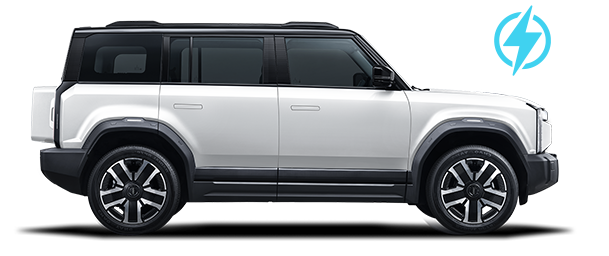
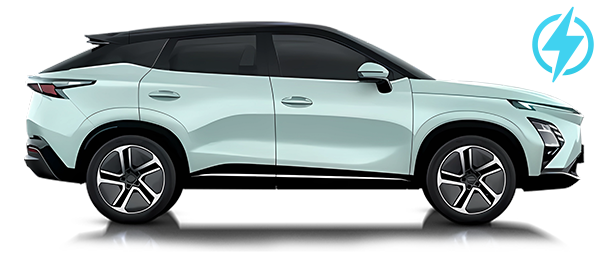
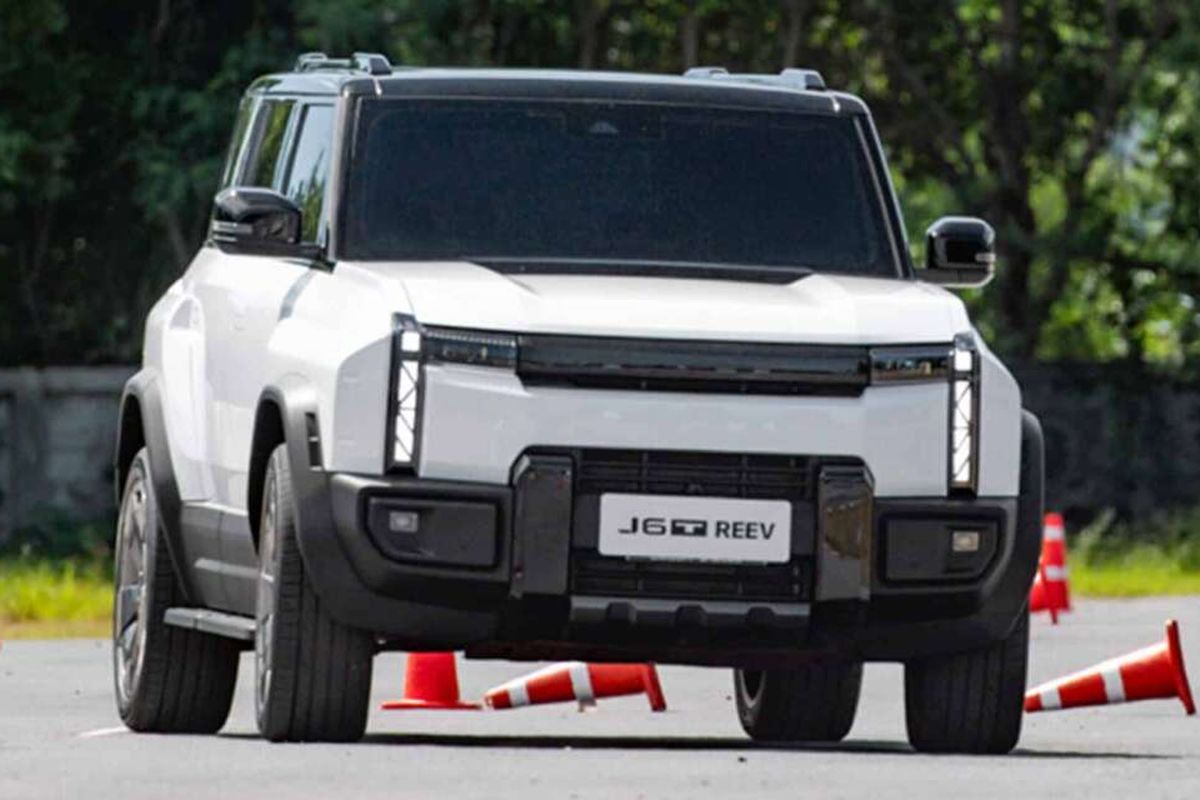
On the other hand, the electric vehicle revolution brings a completely different paradigm. Cars like the Chery J6 no longer use a multi-gear clutch system. Its electric motor delivers instant power directly (direct drive) to the wheels through a single-speed reduction gear transmission, offering absolute smoothness with no gear shift pauses at all.
Conclusion
The clutch is a vital bridge that translates raw engine power into controlled wheel movement. Whether it's a conventional manual system, advanced Dual Clutch (DCT) technology, or a direct drive system in electric cars, the goal remains the same: to provide an efficient and comfortable driving experience.
Understanding how it works helps us drive more wisely, such as not getting used to "riding the clutch" (half-clutch) so that these vital components remain durable and car performance stays prime.