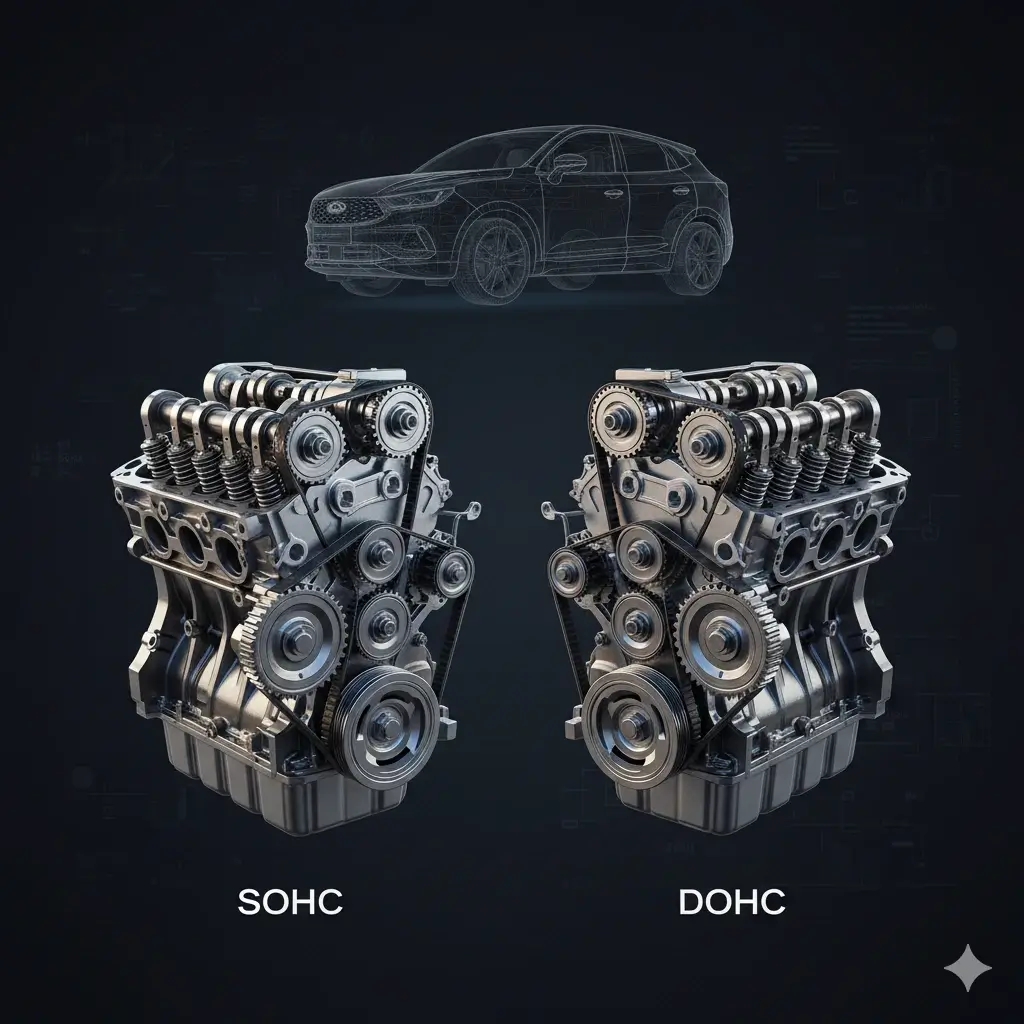
The main difference between SOHC and DOHC engines lies in the number of camshafts used to drive the intake and exhaust valves in the cylinder head. SOHC uses a single camshaft, while DOHC uses two independent camshafts to optimize the combustion cycle.
This article will outline the technical definitions of both systems, performance comparisons across various speed ranges, and their impact on the fuel efficiency of modern vehicles.
Understanding SOHC (Single Overhead Camshaft) Technology
SOHC engines use one camshaft located above the cylinders to operate the intake valves and exhaust valves simultaneously with the help of rocker arms. This construction is known for its simplicity and space efficiency within the cylinder head.
Key characteristics of SOHC engines:
- Low-End Torque: Produces responsive power at low to medium speeds.
- Fewer Components: Has a minimal number of parts, making the engine weight lighter.
- Economical Maintenance: Service costs tend to be more affordable due to the less complex valve drive mechanism.
To keep these internal components durable, ensure you perform types of car service periodically to ensure camshaft lubrication remains optimal.
Understanding DOHC (Double Overhead Camshaft) Technology
DOHC engines have two camshafts working separately, where one shaft specifically serves the intake valves and the other serves the exhaust valves. This separation allows for the placement of the spark plug right in the center of the combustion chamber for higher thermal efficiency.
Technical advantages of DOHC engines:
- High-End Performance: Highly efficient when working at high RPMs due to more precise valve timing arrangements.
- More Valves: Generally has 4 valves per cylinder, allowing for smoother intake and exhaust airflow.
- Advanced Technology: Facilitates the application of variable valve systems (such as VVT or VVL) to increase power without sacrificing fuel economy.
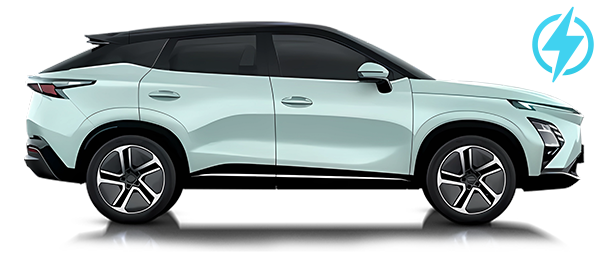
This technology is applied to modern engines like the Chery C5, which relies on the combustion precision of a 1.5 Turbo Engine to produce 145 HP. The quality of this combustion heavily depends on choosing the right octane, such as using Pertamax to prevent knocking.
Efficiency and Performance Comparison
Choosing between SOHC and DOHC in modern cars depends on the vehicle's intended use.
| Comparison Feature | SOHC Engine | DOHC Engine |
| Number of Camshafts | 1 (Single) | 2 (Double) |
| Power Response | Superior at low RPM/city driving | Superior at high RPM/highway |
| Fuel Efficiency | Stable for low loads | Very efficient at constant speeds |
| Complexity | Low (Easy to maintain) | High (Needs high precision) |
For vehicles that often travel long distances, DOHC efficiency at high speeds is very helpful. However, ensure you always check the condition of supporting car spare parts like the timing belt or timing chain that drives these shafts to avoid fatal valve damage.
Conclusion
SOHC offers simplicity and strong low-end torque, making it ideal for light operational vehicles. On the other hand, DOHC is the standard for modern cars pursuing high performance and combustion efficiency at stable speeds. Understanding your engine's characteristics will help in adjusting your driving style and the precision of mechanical component maintenance.
Interested in experiencing the performance of a Turbocharged DOHC engine with the latest responsive and efficient technology?
Schedule a Test Drive Now to directly experience the advantages of engine technology in Chery's flagship units.