High mobility and busy schedules sometimes cause car owners to forget to check the condition of their cars. The battery is one of the components that is often overlooked, and car owners might only realize their battery is dead when the car suddenly refuses to start.
That's when car owners start searching for information on why their battery died. Or, do they need to change the type of battery to make it last longer? Which is better, a dry battery or a wet battery? How much does it cost? And other battery-related questions.
Actually, there are several aspects you need to consider before choosing a dry battery or a wet battery. These aspects include the needs of your car usage, your maintenance pattern, and the environmental conditions your car goes through.
By understanding the differences between dry batteries and wet batteries, it will be easier for you to choose the right type, especially to maintain your driving comfort and safety.
This article will help you understand the differences between dry batteries and wet batteries, their pros and cons, their lifespan, estimated costs, and how to maintain them so they last longer.
What is a Car Battery and What is its Function?
A car battery is an electrical energy storage component that functions to supply power to the starter, ignition system, lights, audio, ECU, sensors, and various electronic devices in your car.
The majority of modern cars use dry batteries because they are more efficient, easier to maintain, and more shock-resistant than wet batteries.
The question is, are wet batteries not better than dry batteries? Is using a dry battery for a car more relevant than using a wet battery?
Let's discuss this further.
What is a Wet Battery?
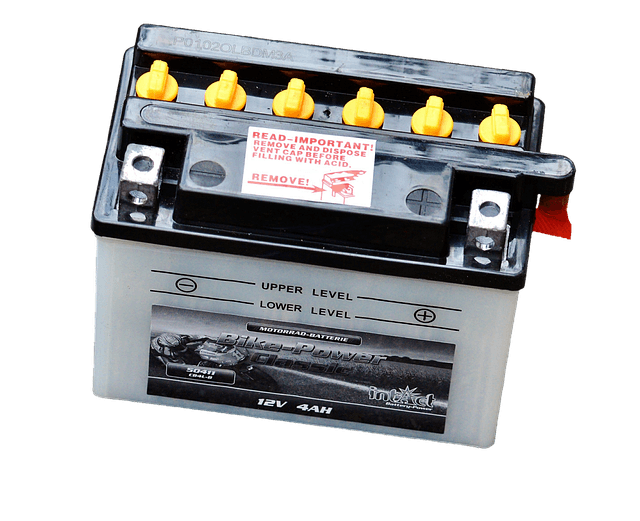
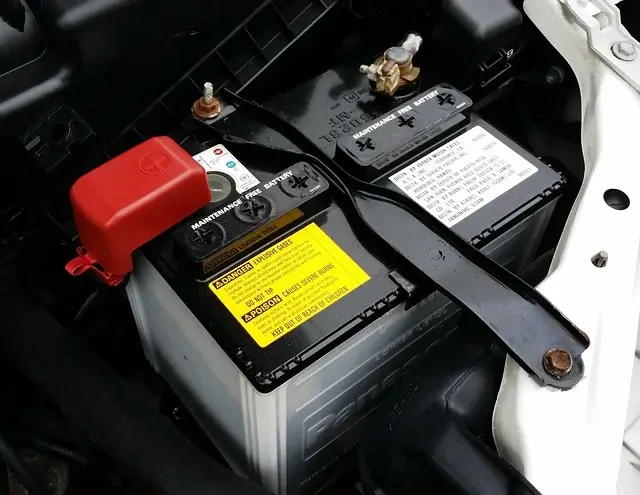
A wet battery is a conventional type of battery that uses a liquid electrolyte consisting of a mixture of water and sulfuric acid in liquid form. This type of battery usually has vent caps that allow you to check and add battery water periodically.
Because it uses liquid electrolyte, a wet battery requires routine checks so the liquid doesn't decrease due to evaporation from engine heat or the charging process from the alternator.
Wet batteries are still widely used because their purchase price is relatively more economical, and their initial starting current performance is quite good for daily use.
What is a Dry Battery?
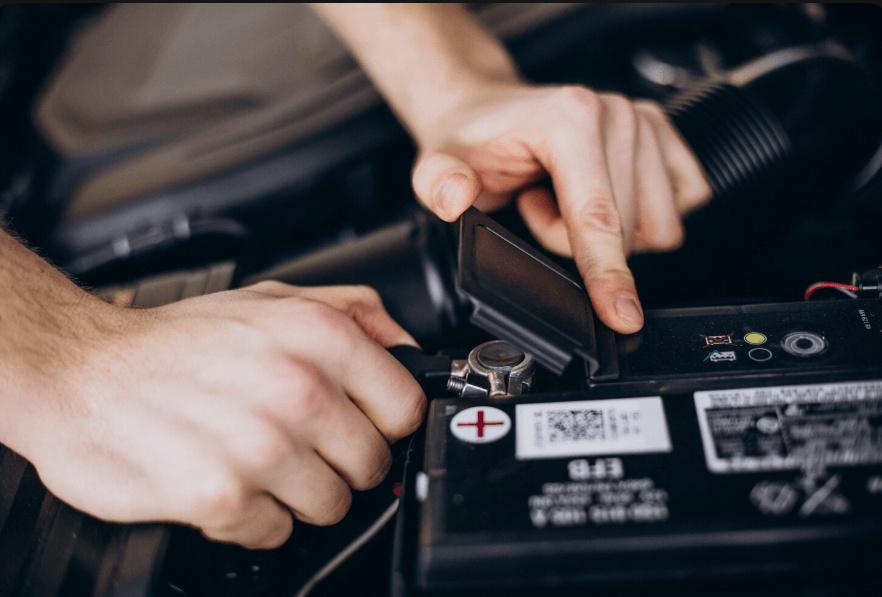
The term "dry battery" technically still implies the use of electrolytes. The difference is that the electrolyte in a dry battery is stored in a more closed system, minimizing evaporation.
The majority of modern dry batteries are Maintenance Free (MF), which means you don't need to routinely add battery water like you do with a wet battery.
Besides being more practical, dry batteries also have a lower risk of acid spills, so the engine bay tends to stay cleaner.
Why Do Modern Cars Mostly Use Dry Batteries?
Modern cars today have much more complex electronic systems compared to previous generations of cars. From the ECU, safety sensors, electric power steering, digital head units, to various driving safety features that require a stable power supply.
Therefore, many modern car manufacturers prefer Maintenance Free dry batteries because they are more practical, have minimal evaporation, and tend to have better voltage stability to support the car's electronic systems.
Differences Between Dry Batteries and Wet Batteries
Here is a quick comparison between dry and wet batteries in a table format to make it easier for you to understand the differences.
| Aspect | Dry Battery | Wet Battery |
| Maintenance | Tends to be maintenance-free | Must routinely check battery water |
| Purchase / Trade-in Price | More expensive (20-30%) | Cheaper |
| Lifespan | Around 2–3 years | Around 3–4 years |
| Risk of evaporation | Low | Higher |
| Ease of use | More practical | Requires periodic checks |
In general, dry batteries are more practical for daily use. Meanwhile, wet batteries can still be the right option for those of you who prioritize a more economical initial cost.
So, which type of battery is actually better to use for your car?
Which is Better for Your Car?
There is no absolute answer that one type of battery is definitely better for all conditions. The best choice depends on your car's needs and your driving habits.
If you want a battery that is practical and requires minimal maintenance, a dry battery is usually the ideal choice.
Conversely, if you want a more economical initial cost and don't mind doing routine checks, a wet battery is still a relevant choice.
The most important thing is to ensure the battery capacity matches the car's specifications and the car's electrical system is in healthy condition.
Which Lasts Longer, a Dry Battery or a Wet Battery?
Wet batteries tend to have the potential to last longer than dry batteries. This is because wet batteries can be refilled, whereas dry batteries cannot.
A routinely maintained wet battery (refilled with battery water) can potentially be used for more than 3 years. Make sure to check the battery level every month so it doesn't run low or dry out.
So, although the maintenance is more complex, wet batteries tend to have a longer potential lifespan if the battery water is maintained at a normal level.
Fill the wet battery with battery water in a bottle that usually has a blue cap as an indicator.
Important note: If your car frequently experiences shocks due to uneven road surfaces, a dry battery is more recommended, especially the AGM type. This is because a wet battery can experience cell shedding if it is frequently subjected to severe shocks.
Which is More Expensive, a Dry Battery or a Wet Battery?
Generally, a dry battery is indeed more expensive than a wet battery when looking at the initial purchase price.
However, the cost of using a battery is actually also influenced by battery capacity, brand, maintenance, and the type of car used.
Here is an estimated price for car batteries in Indonesia for daily cars such as city cars, MPVs, SUVs, and sedans:
| Cost Component | Dry Battery (MF) | Wet Battery |
| New purchase price | Rp800 thousand – Rp3 million | Rp600 thousand – Rp1.8 million |
| Trade-in price | Rp600 thousand – Rp2.5 million | Rp450 thousand – Rp1.5 million |
| Routine maintenance | Almost none | Periodic battery water top-up |
| Regular battery water price | Not required | Rp10 thousand – Rp30 thousand |
Although wet batteries are cheaper at the initial purchase, you still need to calculate additional costs such as purchasing battery water, routine checks, and the potential for faster replacement if not routinely maintained.
Therefore, in the long run, the difference in the cost of using a dry battery versus a wet battery is actually not that significant. Just adjust it to your budget and your ability to maintain the battery.
What are the Signs of a Damaged Battery?
Both dry and wet batteries have some similar symptoms of damage.
The most common sign is a heavy starter, especially in the morning. Additionally, the car lights may appear dimmer, and some electronic systems may start to malfunction.
In emergency situations like this, some users usually try to (jump-start the car battery) to temporarily start the engine before conducting further checks.
In modern cars, the battery indicator on the dashboard can also light up when the battery voltage starts to drop.
Specifically for wet batteries, you can also look for physical signs such as the battery fluid decreasing quickly, the color of the fluid becoming cloudy, a sulfur smell appearing, or excessive white crust on the battery terminals.
If these symptoms begin to appear consistently, checking the battery voltage using a voltmeter is highly recommended.
Why Does a Car Battery Die Quickly?
Many car owners assume that a battery dying quickly is always caused by poor battery quality. In fact, there are many other factors that can shorten a battery's lifespan.
Some of the most common causes include:
- The car is rarely used,
- The engine temperature is too hot,
- A problematic alternator,
- Excessive use of audio or accessories,
- And parasitic electrical drain.
How to Maintain a Dry Battery so it Lasts Longer?
Although called maintenance-free, a dry battery still requires attention to extend its lifespan.
Use the car regularly to keep the battery voltage stable. Additionally, ensure the battery terminals stay clean from corrosion because the white crust on the terminals can obstruct the flow of electricity.
It's also important to ensure the alternator charging system is working normally. A charging voltage that is too low prevents the battery from fully charging, while a voltage that is too high can accelerate battery cell damage.
Avoid excessive use of electrical accessories when the engine is off, such as audio, lights, or additional chargers for a long time.
How to Maintain a Wet Battery so it Lasts Longer?
Maintaining a wet battery requires more attention than a dry battery.
The most important thing is to check the electrolyte fluid level periodically. If the battery water is too low, the lead plates inside the battery can be exposed to air and suffer permanent damage.
Additionally, the battery terminals need to be cleaned routinely to prevent corrosion that disrupts the flow of electricity.
Also, ensure the battery mount remains strong and not loose because excessive vibration can accelerate internal battery damage.
Conclusion
Dry batteries and wet batteries have different usage characteristics. A dry battery is more practical with minimal maintenance, while a wet battery is more economical in its initial purchase but requires routine checks.
The best choice should be tailored to your car's needs, the intensity of your car usage, and your readiness to perform periodic maintenance.
With proper maintenance and a healthy car electrical system, both types of batteries can still provide optimal performance for your daily use.
Get other useful information about tips and tricks on how to maintain a car only at chery.co.id.