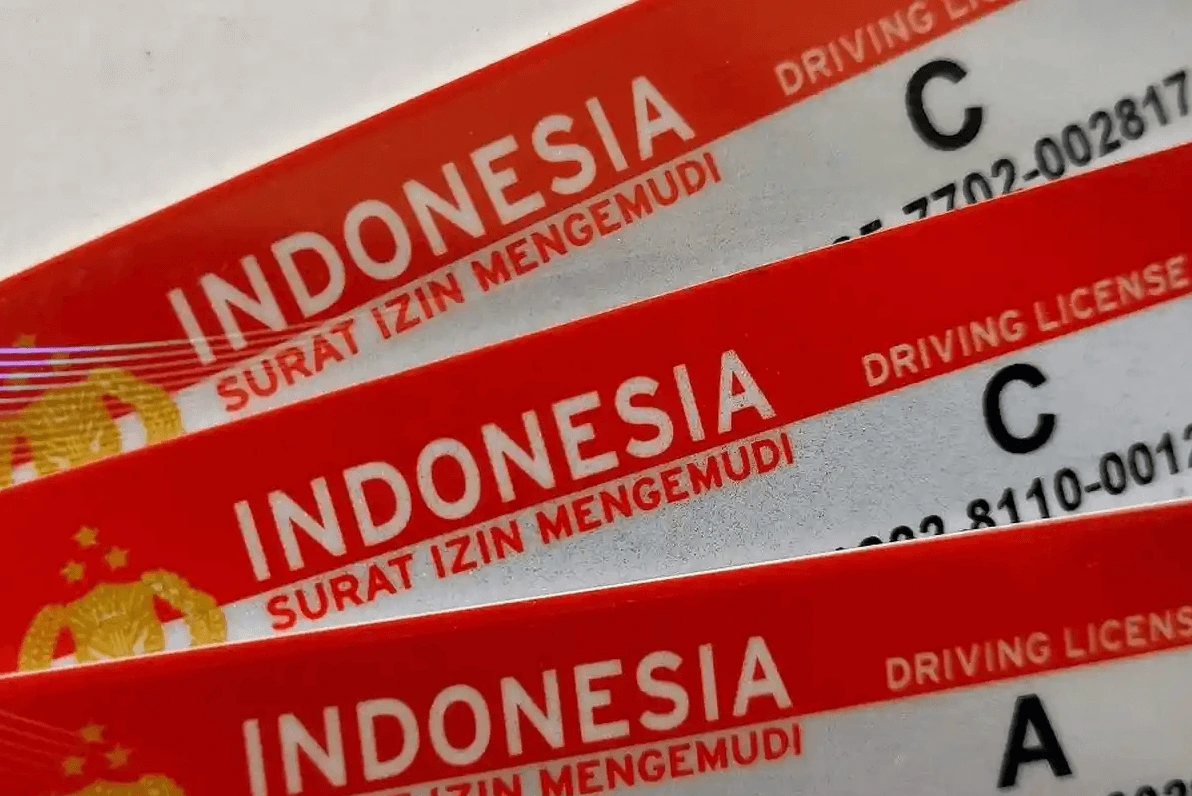
In the world of driving, a driver’s license is more than a “permit card” that allows someone to operate a vehicle on public roads. A driver’s license is proof of competence, legality, and responsibility for every motorist in Indonesia. According to Law No. 22 of 2009, a SIM (Surat Izin Mengemudi) is an official registration and identification document issued by the Indonesian National Police to individuals who have fulfilled administrative requirements, are physically and mentally healthy, understand traffic regulations, and demonstrate adequate driving skills.
However, many people still do not fully understand the detailed differences between the current license categories. The distinction between SIM A, B1, B2, and SIM C is not only about the type of vehicle but also its weight, engine capacity, and whether it is used for private or commercial purposes. This information is crucial because every driver has different needs. This article provides a complete guide to all driver’s license types in Indonesia, including their functions, limitations, minimum age, and issuance requirements.
1. SIM A
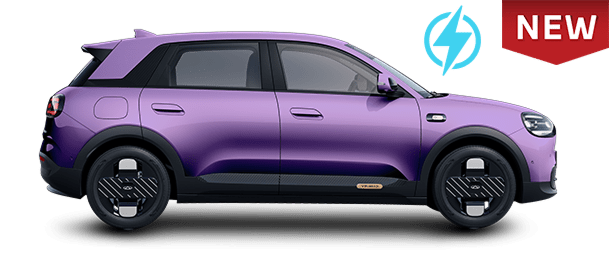
SIM A is the most common license category in Indonesia. It applies to drivers of private passenger cars or personal goods vehicles weighing up to 3,500 kg. This includes most family cars, city cars and daily-use vehicles on the road.
Drivers must be at least 17 years old and demonstrate a proper understanding of basic traffic rules as well as safe driving skills. They must also pass both theoretical and practical evaluations conducted by the police.
Examples of vehicles:
• daily private cars
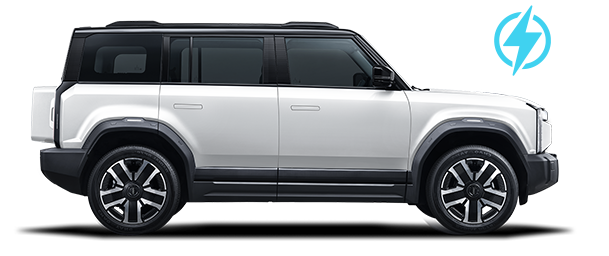
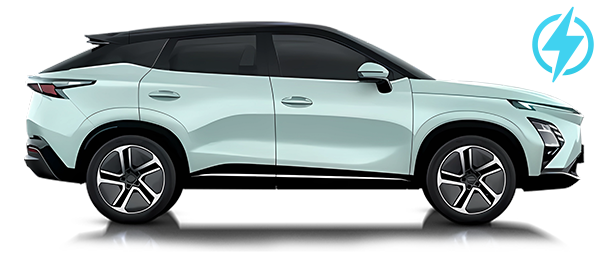
• family SUVs or MPVs
• small pickup trucks for non-commercial personal use
2. SIM B1
SIM B1 is intended for larger vehicles than those allowed under SIM A, or for vehicles weighing more than 3,500 kg. It covers both large passenger vehicles and goods vehicles used for commercial purposes. Because of the size and weight involved, drivers must demonstrate stronger control, awareness of braking distance, and overall driving safety.
SIM B1 is available to drivers who are at least 20 years old and have held a SIM A for at least 12 months.
Examples of vehicles:
• large minibuses
• light commercial trucks
3. SIM B2
SIM B2 is intended for drivers of heavy articulated vehicles, including industrial and large-scale transport vehicles often used in logistics operations. These vehicles require more advanced driving skills due to their turning radius, handling, and braking characteristics. Drivers must be at least 21 years old and must have held a SIM B1 for at least 12 months.
Examples of vehicles:
• trailer trucks
• tanker trucks or container haulers
4. SIM C (Motorcycles)
SIM C is specifically for motorcycle riders and is now divided into three subcategories to better match engine capacity. This classification also reflects the growing number of large motorcycles in Indonesia. The minimum age to apply is 17 years old.
SIM C classifications:
• SIM C for motorcycles up to 250 cc
• SIM C1 for motorcycles from 250 to 500 cc
• SIM C2 for motorcycles above 500 cc
5. SIM D (For Drivers with Disabilities)
SIM D is issued for drivers with disabilities who operate modified vehicles tailored to their needs. This license ensures that accessibility remains inclusive as long as drivers meet the requirements: minimum age of 17, adequate competence, and safe driving ability.
6. International Driving Permit (SIM Internasional)
An international driver’s license allows holders to drive in other countries and serves as a cross-border legal document. It is issued by the Indonesian National Police Traffic Corps (Korlantas Polri) and is commonly used by travelers and expatriates who want to drive overseas without taking local tests in certain countries. It is valid for up to three years.
Requirements for Issuing and Renewing a Driver’s License
To obtain a new license or renew an expiring one (every five years), applicants must submit the required administrative documents, pass a health screening, and complete both theory and practical tests. Applicants must also meet the minimum age requirement for their chosen license category. The general documents required include:
• National ID card (KTP)
• Proof of physical and mental fitness
• Psychological test results
• Passing scores for theory and practical exams
Official fees for new license issuance (PNBP):
• SIM A / B1 / B2: Rp120,000
• SIM C: Rp100,000
• SIM D: Rp50,000
• SIM Internasional: Rp250,000
Official fees for license renewal (PNBP):
• SIM A / B1 / B2: Rp80,000
• SIM C: Rp75,000
• SIM D: Rp30,000
• SIM Internasional: Rp225,000
Functions and Benefits of a Driver’s License
A driver’s license is more than an identification card. It verifies that an individual has met legal and skill-based requirements to operate a motor vehicle safely. Other key functions include:
• serving as documentation for insurance claims
• providing legal verification in traffic-related investigations
• acting as an official identity document in road incidents
Differences Between Conventional and Digital Licenses
Indonesia has begun digitizing license services through the Digital Korlantas POLRI app. The digital license does not replace the physical card but stores integrated data that makes it easier to check license information, validity periods, and renewals online. The physical card remains mandatory as official proof during roadside checks.
Have you gained a better understanding of the driver’s license categories after reading this guide? By knowing the requirements, functions, and minimum age for each license, you can choose the appropriate type that matches your vehicle. Before applying, make sure you meet all the necessary documents and conditions to ensure a smooth process. On the road, follow the rules, protect yourself and others, and be a responsible driver. For more driving tips and automotive education, explore the recommended articles on this page.