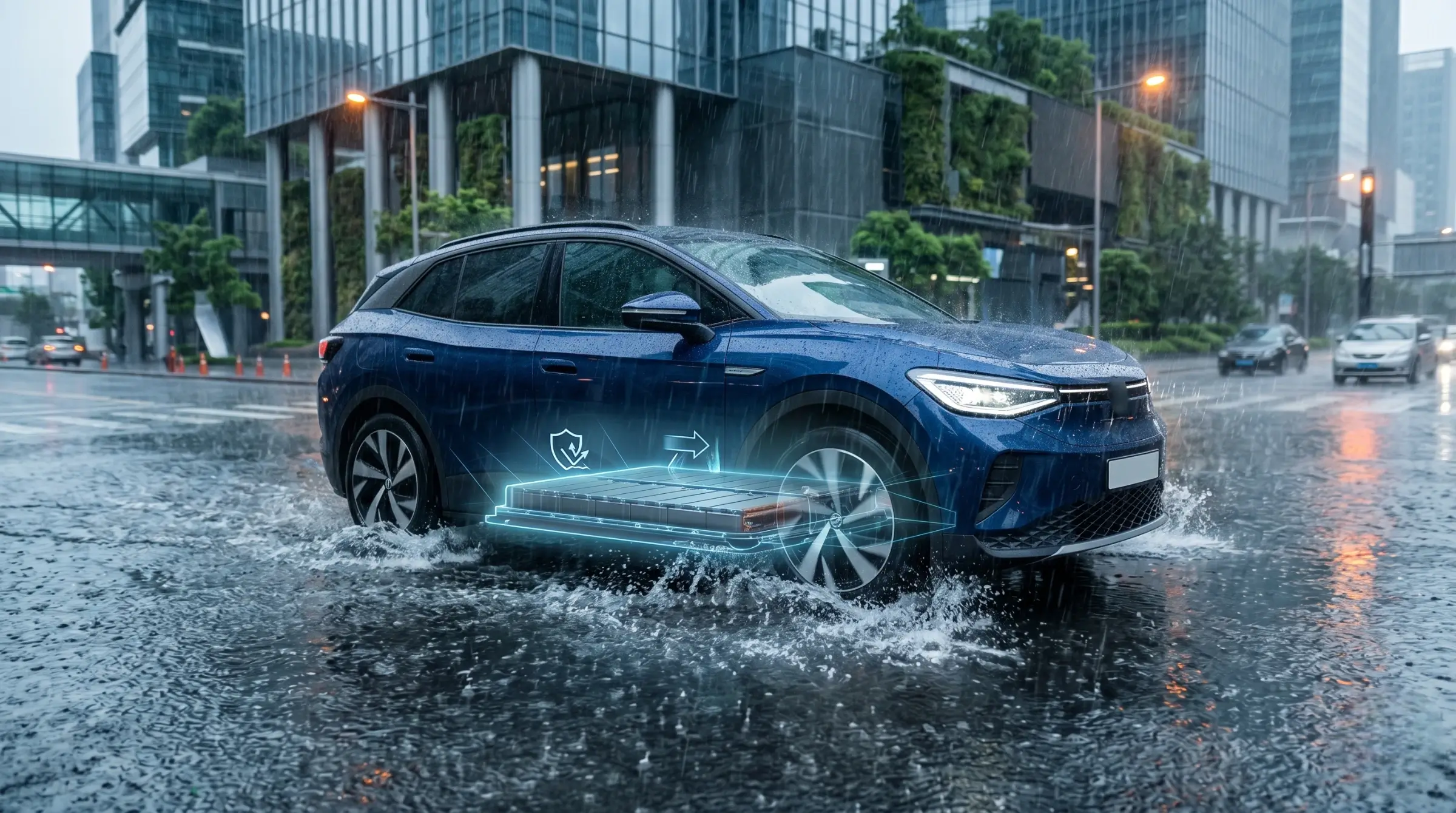
Battery safety when an electric car passes through standing water or floods remains one of the main concerns for prospective EV users.
This is understandable, as the battery is the primary component that stores and distributes energy throughout the vehicle's systems.
Therefore, let us understand EV battery IP ratings so you can assess the level of protection an electric vehicle has more objectively.
What Is an EV Battery?
An EV battery is one of the main components in an electric vehicle that stores energy to power the electric motor.
Depending on the type, EV batteries may use LFP (Lithium Iron Phosphate), NMC (Nickel Manganese Cobalt), or NCA (Nickel Cobalt Aluminum).
In general, EV batteries are located at the bottom of the vehicle and protected by a strong casing that is resistant to water, impact, and harsh road conditions.
These batteries are also usually equipped with thermal management technology or sensors capable of monitoring battery conditions in real time, helping prevent early damage and the risk of overcharging.
Read also: Electric Car Batteries: Types, Capacity, Price & Maintenance
Types of EV Batteries in Electric Cars
As electric vehicle technology continues to evolve, manufacturers have introduced various battery types with different characteristics.
1. Lithium-Ion (Li-Ion)
Lithium-Ion is the most commonly used battery type in modern electric cars because it offers high energy density, is relatively lightweight, and supports longer driving range.
2. Nickel-Metal Hydride (NiMH)
NiMH batteries are known for their durability and solid safety performance. This type is more commonly used in hybrid vehicles than in fully electric cars.
3. Solid-State Battery
Solid-state batteries use a solid electrolyte and have the potential to offer better safety and efficiency than conventional batteries. This technology is still being developed for large-scale use.
4. Lead-Acid
Lead-acid is an older battery technology that is generally used in vehicle electrical systems. However, its heavy weight limits its use in modern electric cars.
5. Ultracapacitor
Ultracapacitors can store and release energy very quickly, making them suitable for instant power needs. However, this technology is usually used only as a supporting component rather than the main power source.
6. Nickel Cadmium (Ni-Cd) Battery
Ni-Cd batteries are fairly durable under various conditions, but their use has declined due to the emergence of more efficient and environmentally friendly technologies.
Are Electric Cars Safe in Floods?
Although rainwater is corrosive and can damage an electric vehicle battery, most electric car manufacturers, including Chery, have already taken this into account.
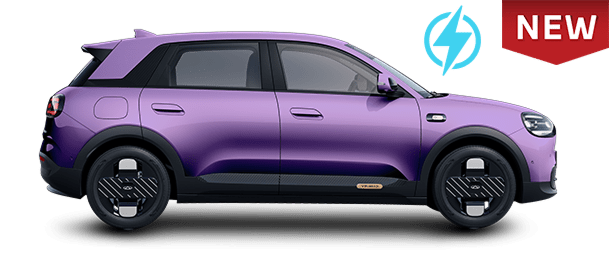
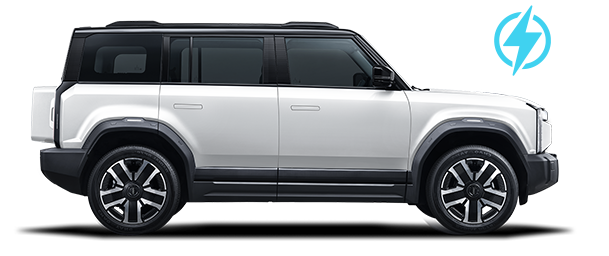
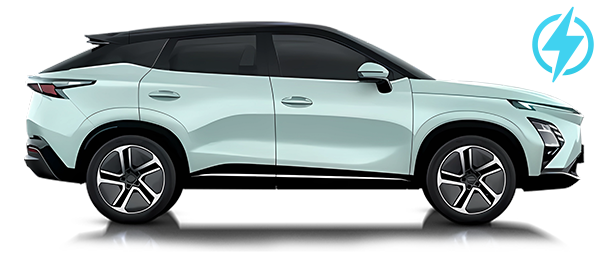
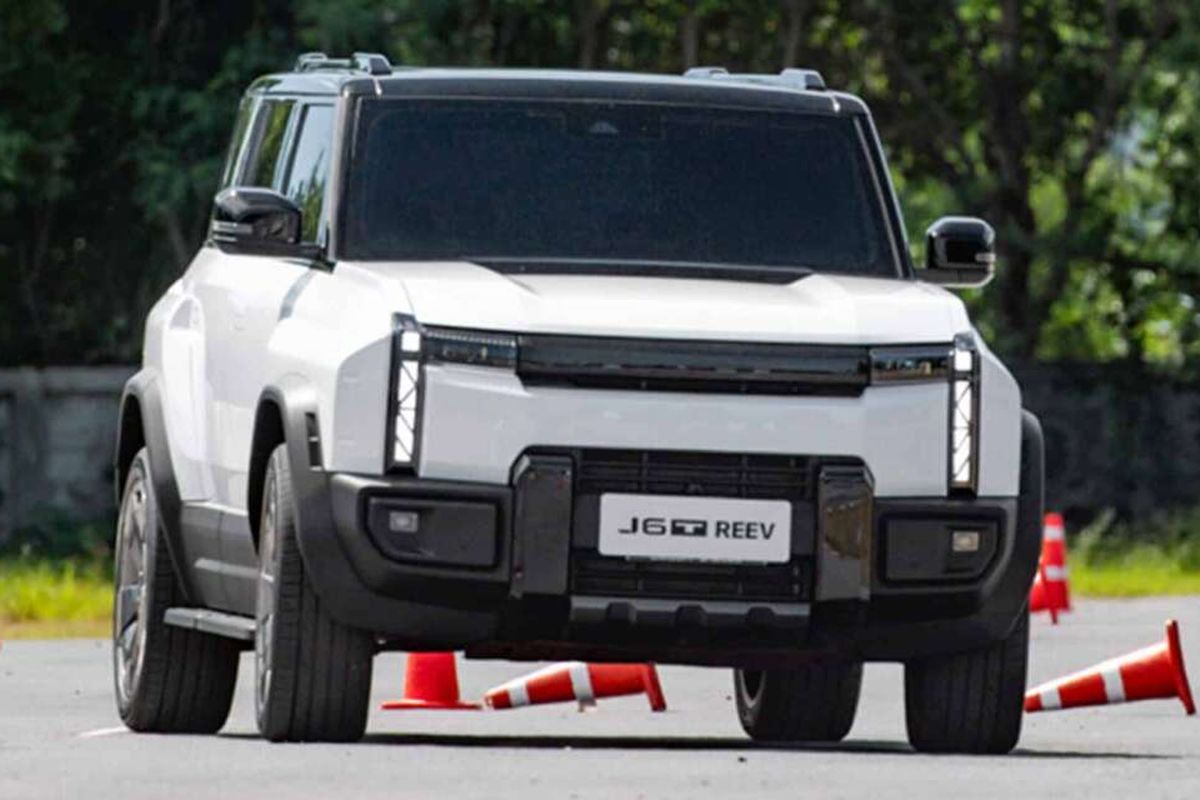
Some models such as the Chery TIGGO 9, Chery TIGGO 8, Chery E5, and Chery J6 are equipped with Lithium Iron Phosphate (LiFePO4) batteries certified to IP68, making them dust-resistant and capable of passing through standing water up to 45 cm deep.
EV Battery IP Rating Certification for Electric Cars
What is an IP rating? IP stands for Ingress Protection, a measurement standard based on IEC 60529 that shows how well a device is protected from dust or liquids.
This rating appears in the format IPXY, where:
- X indicates protection against solid objects (such as dust)
- Y indicates protection against liquids
In general, you will find two common EV battery IP ratings in electric cars: IP67 and IP68.
- IP67: The vehicle is fully protected from dust and can withstand water up to 1 meter deep for a maximum of 30 minutes.
- IP68: The vehicle is fully protected from dust and can withstand immersion in water deeper than 1 meter for a longer duration.
Chery Proves EV Battery Safety in Water Immersion Testing
The Chery TIGGO 8 passed the IP68 waterproof certification test in the "Extreme Challenge - Chery Safety Battery Test" campaign held on June 19, 2025.
The battery was then submerged for 55 hours in a tank of seawater at a depth of 100 cm. After being lifted out and dried, the battery was reinstalled into the TIGGO 8 CSH unit.
Interestingly, the battery still functioned without any issues. This test serves as real evidence that the battery remains safe from floodwater that may occur unexpectedly.
Read also: Proving the Strength of Chery Safety Battery, Indonesia Becomes the Global Stage for an Extreme 48-Hour Seawater Immersion Test
How to Handle Flooding While Driving an Electric Car
Even though electric cars are already equipped with water protection systems, drivers still need to take the right steps when facing standing water or flooding.
1. Avoid Driving Through Water That Is Too Deep
Make sure the water level is still within the safe limit recommended by the manufacturer before crossing. If the water looks too deep or the current is strong, choose a safer alternative route.
2. Reduce Speed and Maintain Vehicle Control
When crossing standing water, keep a steady speed and avoid sudden acceleration or braking. This helps maintain traction and reduces the risk of losing control.
3. Inspect the Vehicle After Passing Through Water
After driving through floodwater, check for warning indicators or changes in vehicle performance. If anything seems abnormal, have it inspected at an authorized service center to make sure the electrical system and battery are functioning properly.
Read also: How to Maintain an Electric Car Battery to Make It Last Longer
Is an EV Battery Warranty Lifetime?
Yes, some electric vehicle manufacturers in Indonesia, including Chery, offer a Lifetime Warranty program for batteries.
Chery provides this warranty for certain electric models such as the Omoda E5 and J6, although the program is limited to specific customers, particularly first-time buyers.
FAQ
Which Car is Suitable for Flood-prone Areas?
Cars suitable for flood-prone areas usually have at least 200 mm of ground clearance and a high-positioned engine air intake. SUVs or diesel double-cab vehicles are generally safer for these conditions.
Can an Electric Car Get Wet?
Yes, as long as it remains within the safe limits protected by the battery and electrical systems. It is still recommended to inspect the vehicle after passing through standing water or floods.
Can Electric Cars be Washed?
Yes. Electric cars are designed to safely handle water during normal use, including washing. The key is to wash them properly and avoid spraying excessive water into sensitive areas.
Understand Battery Protection Before Choosing the Right Electric Car for You!
From a safety perspective, electric cars are already equipped with multiple layers of protection, including the battery and electrical systems.
EV battery IP ratings such as IP67 and IP68 show how well the vehicle can withstand dust and water, making it more resilient in flood conditions.
If you are considering buying a Chery EV, come visit us or schedule a test drive. Experience the features, comfort, and safety systems for yourself before making your decision.