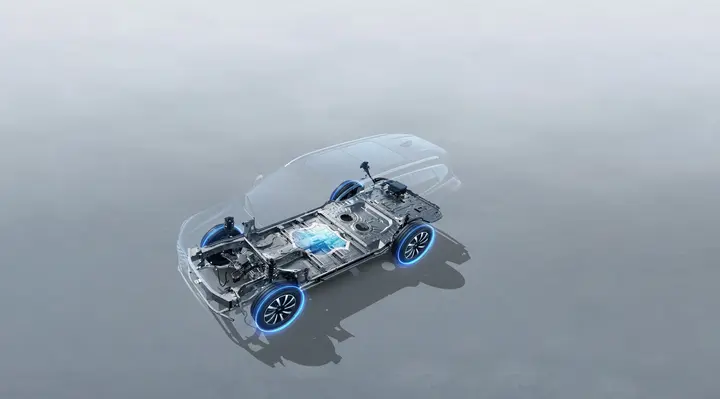
The battery is the most vital component in an electric car. It not only serves as the main power source but also determines performance, driving range, and overall efficiency. Therefore, understanding the types, capacities, prices, and maintenance of electric car batteries is an essential first step before deciding to purchase an EV.
Let’s explore the different types of batteries used in electric cars, the range of capacities available on the market and their impact on range, the latest prices for various capacities, and tips for keeping your battery durable and performing at its best.
Types of Electric Car Batteries
Battery technology continues to evolve alongside the rising demand for electric vehicles in Indonesia. It’s important to know the different battery types, each with its own advantages and drawbacks:
1. Lithium-Ion (Li-Ion)
The most common type used in EVs and other electronics. Lithium-Ion is lightweight, energy-dense, and efficient. Car versions are far larger than those in phones or laptops, offering a high energy-to-weight ratio for longer ranges. They also have low self-discharge rates and are mostly recyclable.
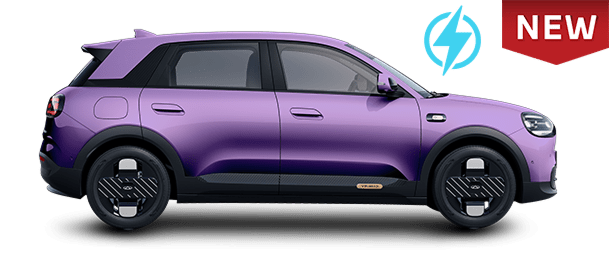
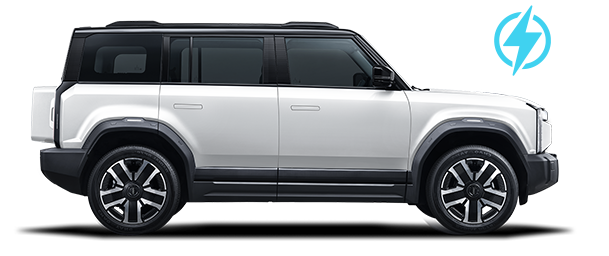
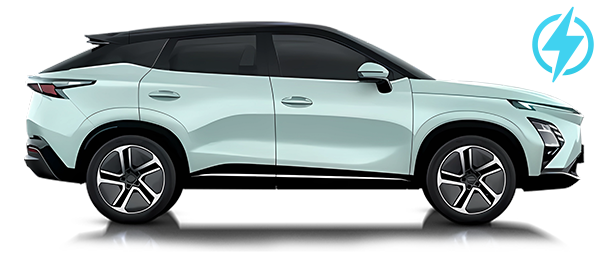
This is the battery type Chery uses in its EV and hybrid lineup, including the OMODA E5, J6, and Tiggo 8 CSH. The OMODA E5 is powered by a Lithium Ferro Phosphate (LFP) battery, known for safety, durability, and long range. Its 61.06 kWh capacity offers up to 430 km of range under WLTP standards.
The J6 uses the same battery type and supports DC fast charging up to 85 kW, charging from 30% to 80% in about 30 minutes.
The Chery Tiggo 8 CSH hybrid uses an 18.3 kWh LFP battery, resistant to extreme temperatures and certified IP68 waterproof, capable of up to 90 km in pure EV mode.
2. Nickel-Metal Hydride (NiMH)
Common in hybrids, NiMH batteries last longer than Lithium-Ion but are more expensive and have high self-discharge. They are best suited for HEVs rather than pure EVs.
3. Solid-State Battery
These use solid electrolytes instead of liquid, making them safer, more compact, and capable of storing 2–10x more energy than Lithium-Ion. Still in development for cars, but already used in small medical devices.
4. Lead-Acid
Oldest type, cheap, and easy to recycle but heavy and inefficient. Mostly used in commercial vehicles as auxiliary batteries.
5. Ultracapacitor
Stores energy electrostatically rather than chemically, making it ideal as a supplement to main batteries for acceleration and regenerative braking.
6. Nickel Cadmium (Ni-Cd)
Durable with high capacity, but heavy, degrades over time, and contains toxic cadmium. Now banned in modern EVs.
Battery Capacity
Measured in kilowatt-hours (kWh), battery capacity greatly affects range:
- 30–40 kWh: ~150–250 km
- 50–70 kWh: ~300–400 km
- 80–100+ kWh: 500 km or more
Modern EVs typically have at least 40 kWh, with premium models exceeding 100 kWh.
Battery Prices
Prices vary by capacity and technology, generally ranging from Rp 2 million to Rp 5 million per kWh:
- 30 kWh: Rp 60–150 million
- 50 kWh: Rp 100–250 million
- 80 kWh: Rp 160–400 million
As adoption grows, prices are expected to keep falling.
Battery Maintenance Tips
- Avoid charging to 100% too often; keep it around 80–90%.
- Don’t let it fully drain; maintain at least 20% charge.
- Park in shaded areas, avoiding extreme temperatures.
- Use official or high-quality chargers.
- Have regular checkups at authorized service centers.
- Keep vehicle software updated for optimal battery performance.
In conclusion, EV batteries come in various forms, each with pros and cons. Lithium-Ion remains the most widely used for its performance benefits. As EV adoption grows in Indonesia, battery tech will keep improving. Consider switching to an EV like Chery, which is committed to innovation. Visit a dealer near you to explore Chery’s electric lineup.