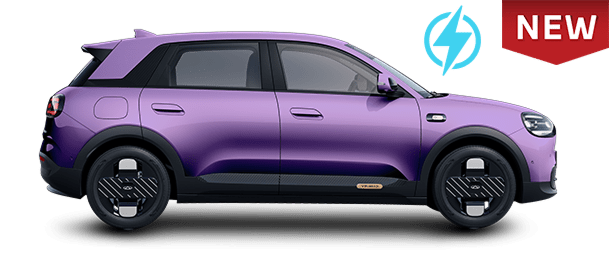
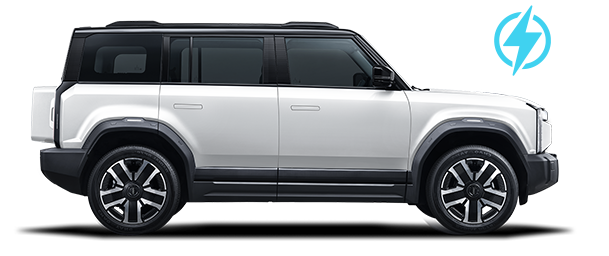
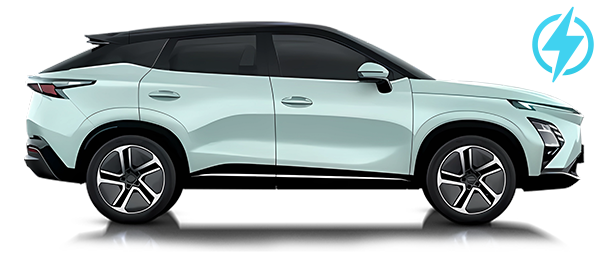
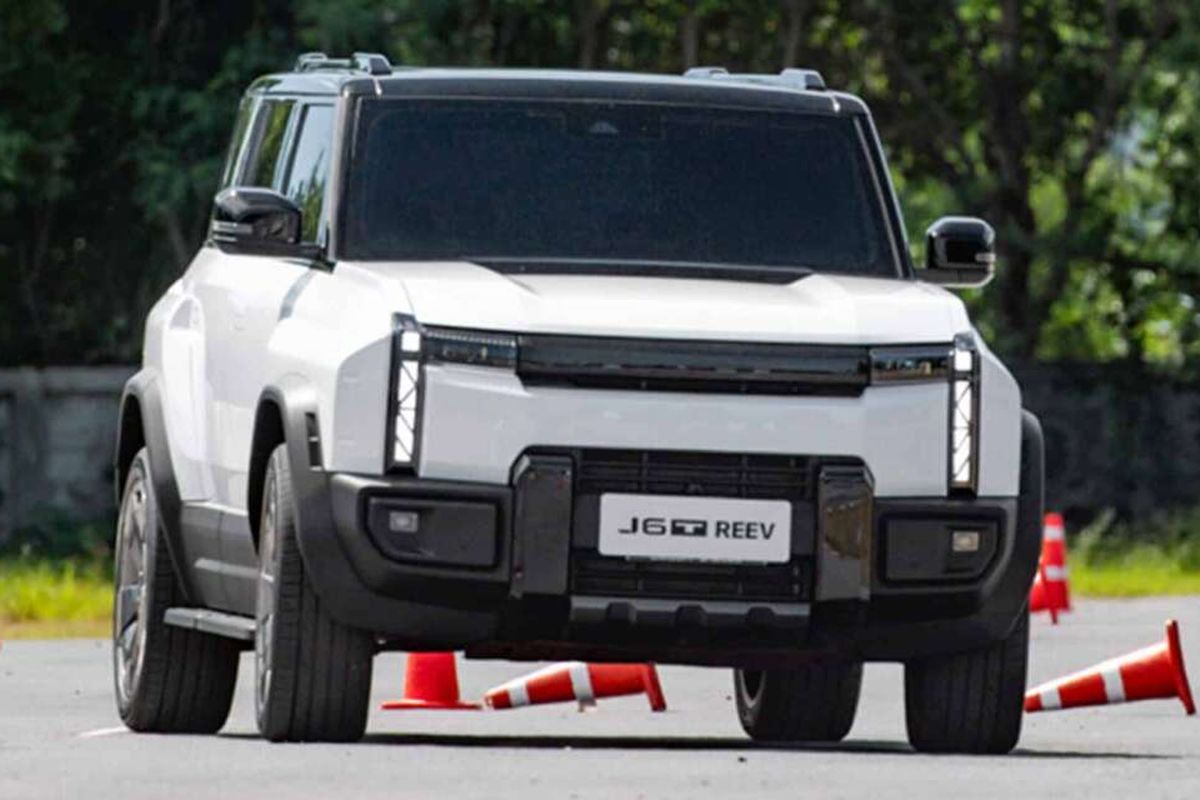
Electric vehicles offer a practical, efficient driving experience that is increasingly relevant to modern mobility needs.
Many users still assume that all charging processes are the same, even though each method has different characteristics.
These differences not only affect battery charging speed but also the convenience of using the vehicle in daily activities and during long-distance trips.
Let's explore the differences between AC and DC fast charging as the two main charging methods so that you can choose the method that best suits your daily needs.
Key Summary
- AC charging uses alternating current (AC), while DC charging uses direct current (DC) to charge electric vehicle batteries.
- AC charging is better suited for daily use at home or in the office because it is more economical and easily accessible.
- DC charging offers significantly faster charging, making it ideal for long trips or urgent needs.
- The main differences between AC and DC charging lie in charging speed, location of use, installation costs, and energy efficiency.
- Neither method is entirely superior, as AC and DC charging are designed for different usage needs.
What is AC and DC Charging?
AC charging is an electric car charging method that uses alternating current (AC) from electrical sources such as homes, offices, or public facilities.
Meanwhile, DC charging is a charging method that uses direct current (DC) to charge electric vehicle batteries.
AC (Alternating Current) Charging
AC charging is the most commonly used charging method by electric vehicle owners. This system is available in homes, offices, apartments, and various public locations.
How AC Charging Works
In the AC charging system, the process of converting electricity from AC to DC is carried out by the onboard charger located inside the vehicle.
- AC electricity flows from the power source to the charging station or wall charger.
- The electrical current is then sent to the vehicle through the charging cable.
- The onboard charger inside the car receives the AC current.
- The onboard charger converts the AC current into DC current that can be stored by the battery.
- The battery management system monitors voltage and current while the charging process is ongoing.
- The converted electrical energy is then stored in the vehicle's battery.
- Charging stops automatically when the battery capacity reaches the designated limit.
Advantages of AC Charging
AC charging has several advantages that make it the primary choice for daily use.
- Installation costs are more affordable.
- Suitable for daily charging at home or the office.
- Easier to find and use in various locations.
Disadvantages of AC Charging
Despite being practical, AC charging has several limitations that need to be considered.
- Charging time is relatively longer.
- Less ideal for fast charging needs during long trips.
DC (Direct Current) Charging
DC charging is designed for charging that is much faster compared to the AC method. This technology is widely used at SPKLU and strategic locations with high vehicle mobility.
How DC Charging Works
In the DC charging system, the electrical conversion process is done directly at the charging station so that the electrical current can enter the battery without needing to be processed again by the vehicle.
- AC electricity from the power grid enters the DC charger unit.
- The charger system converts the AC current into DC current inside the charging device.
- The converted DC current is sent directly to the vehicle.
- The battery receives energy without needing to go through the vehicle's onboard charger.
- The battery management system monitors temperature, voltage, and capacity while charging is ongoing.
- The charger automatically adjusts the power according to the battery conditions.
- Charging stops when the battery capacity reaches the designated level.
Advantages of DC Charging
DC charging is designed to provide a faster and more efficient charging process.
- Charging time is much faster compared to AC charging.
- Highly suitable for long-distance trips and urgent needs.
- Capable of delivering large amounts of power for more efficient battery charging.
Disadvantages of DC Charging
Despite being fast, DC charging also has several usage challenges, such as:
- Higher installation and operational costs.
- Its infrastructure availability is still more limited compared to AC charging.
- Requires better battery temperature management during charging.
Differences Between AC and DC Charging
Let's compare AC vs DC charging so you can determine the most suitable charging solution for your electric vehicle needs.
1. Charging Speed
AC charging generally takes longer because the current conversion process is carried out by the onboard charger inside the vehicle. Conversely, DC charging can charge the battery much faster because energy is directly delivered to the battery in the form of direct current.
Read also: How Long Does It Take to Charge an Electric Car? Tips to Save Charging Time
2. Usage Locations
AC charging is more frequently used at homes, offices, or parking areas that allow vehicles to be connected for a long time. Meanwhile, DC charging is widely available at SPKLU, toll road rest areas, and strategic locations catering to fast charging needs.
3. Installation Costs
AC charger installation is relatively simpler, making installation and equipment costs more affordable. On the other hand, DC charging requires a larger investment because it uses high-capacity power conversion technology.
4. Energy Efficiency
In AC charging, some energy is used for the conversion process from AC to DC inside the vehicle. In DC charging, the conversion process is done in the charger, allowing energy flow to the battery to be more efficient and faster.
5. Safety and Convenience of Use
AC charging is highly convenient for daily use because it can be done when the vehicle is not used for an extended period. Conversely, DC charging provides greater convenience during long trips as it can significantly reduce charging wait times.
AC vs DC Charging Comparison Table
| Aspect | AC Charging | DC Charging |
|---|
| Charging Speed | Slower | Much faster |
| Energy Efficiency | Conversion process occurs in the vehicle | Conversion occurs in the charger |
| Installation Costs | More economical | More expensive |
| Accessibility | Widely available at homes and offices | Generally available at SPKLU |
| Infrastructure | Easier to install | Requires specialized infrastructure |
| Safety | Suitable for routine use | Requires good temperature management |
| Usage Suitability | Daily charging | Long trips and quick needs |
Neither method is entirely better because AC and DC charging are designed for different needs.
Challenges of Using AC and DC Charging
AC and DC charging have different challenges. Understanding the limitations of each method helps you determine the most appropriate choice.
AC Charging Challenges
AC charging is practical for daily use, but it still has several limitations.
- Relatively slow charging speed compared to DC charging.
- Takes longer to fully charge the battery.
DC Charging Challenges
DC charging offers high speed, but there are a few things that need to be considered.
- Higher installation and operational costs.
- High-power charging can generate more heat in the battery.
- Fast charging infrastructure is not yet evenly available in all regions.
Which is Better: AC or DC Charging?
Choose the charging method that suits your daily vehicle needs. Neither method is entirely better because each has a different function.
1. AC for Daily Use
AC charging is highly suitable for routine charging at home or the office when the vehicle is not in use. The longer charging time is not an issue because the battery can charge gradually overnight or during work hours.
2. DC for Quick Needs
DC charging is the ideal choice when you need additional power in a short time. This method is also very helpful for long-distance trips that require fast charging.
Daily Usage Recommendations
Each charging method has its ideal usage conditions. Choosing the right method will optimize the convenience and efficiency of charging your electric vehicle.
1. For Routine Use
Use AC charging as the primary method for daily charging at home or the office. This method is more economical and supports the daily usage patterns of electric vehicles.
2. For Long-Distance Trips
Use DC fast charging during intercity trips or when you need a quick charge. The high charging speed reduces waiting time during the trip.
3. For Emergencies
DC charging is a practical solution when battery capacity is low, and you need to immediately resume your journey. Fast charging provides significant additional mileage in a short time.
Read also: Complete Guide to Charging Electric Cars for Beginners
Costs of AC and DC Fast Charging
DC Fast Charging costs at SPKLU generally range from Rp2,466 to Rp2,600 per kWh. In addition to electricity tariffs, users may incur additional service fees of up to Rp25,000 for Fast Charging (25–50 kW) and up to Rp57,000 for Ultra Fast Charging (above 50 kW).
Does DC Fast Charging Reduce Battery Life?
Yes, DC fast charging can slightly accelerate battery degradation because it generates higher heat. However, the impact is relatively small because modern electric cars are already equipped with temperature management systems to protect the battery during charging.
Why is DC Preferred for Fast Charging?
DC charging is preferred because it can charge the battery much faster compared to AC charging. DC current flows directly into the battery without needing to be converted first by the vehicle.
Read also: List of Electric Vehicle Charging Locations in Indonesia
Why is AC Charging Slower Than DC?
AC charging is slower because electricity must first be converted into DC current inside the vehicle. This process makes the charging time longer compared to DC charging which directly charges the battery.
Choose the Right Charging Method for a More Optimal Driving Experience
That is the comparison of AC vs DC charging so you can determine the charging method that best suits your needs.
AC charging is the ideal choice for daily use at home or the office because it is more economical and easily accessible. DC charging offers high speed which is highly beneficial during long trips or urgent conditions.
If you're looking for an electric car that supports both charging methods, the Chery E5 could be an attractive option.
This electric car supports AC charging up to 11 kW as well as DC fast charging, which allows the battery to charge from 30% to 80% in just about 28 minutes.
With a 61.1 kWh battery and a range of up to 430 km (WLTP), the Chery E5 is designed to meet both your daily mobility needs and longer trips.
Visit your nearest Chery dealer to learn more about the various features and charging technologies offered by the Chery E5 to support a more comfortable and practical electric driving experience!