Electric cars indeed offer a modern, comfortable, and efficient driving experience. However, the convenience increases if you can charge the vehicle directly at home without relying on public charging stations.
Many prospective electric vehicle users often ask whether installing a charger at home is really possible, how much it costs, and whether the home's electrical power is sufficient?
With the increasing popularity of electric vehicles in Indonesia, electric car home charging has become a highly sought-after solution due to its ease, flexibility, and efficiency for daily use.
Key Summary
- Home charging stations for electric vehicles can be installed at home as long as the electrical capacity and wiring meet the charging requirements.
- Charging at home is more convenient, flexible, and eliminates the need to wait in line at public charging stations.
- Adequate electrical capacity, safe wiring, and a suitable installation location are the main requirements for home charging.
- Installation costs for a home charger generally range from Rp3 million to Rp10 million, excluding the cost of the charger itself and any additional power capacity.
- PLN offers special rates for electric vehicles with discounts of up to 30% during certain hours.
- Choose a charger that matches your home's electrical capacity and daily usage needs.
Can You Charge an Electric Car at Home?
Yes. Electric vehicle owners can install a home charger or wallbox at home if the electrical installation and power capacity meet the charging needs.
Home charging allows you to charge your vehicle anytime without needing to look for an SPKLU. This system is ideal for daily needs, especially for users who routinely travel for work or activities within the city.
Advantages of Installing Home Charging at Home
Personal home charging can improve convenience and help you utilize your electric vehicle optimally every day.
- No need to wait in line for charging at SPKLU
- Charging can be done when the vehicle is not in use, for example at night
- Home charging costs are generally easier to control compared to charging at public facilities.
Requirements for Installing Home Charging at Home
Before installing a wallbox, make sure several technical aspects below are met so that the charging process runs safely and optimally.
1. Home Electrical Capacity
A small capacity AC charger can be used in homes with an electrical power of 2,200 VA to 7,700 VA. For a wallbox with greater power, you need to upgrade your electrical capacity.
2. Safe Electrical Installation According to Standards
The installation must be equipped with good grounding, cables according to specifications, and protection devices such as MCB or RCBO. A safe electrical system reduces the risk of short circuits, current leakage, and disturbances during charging.
3. Charging Time
Charging at home usually takes several hours, depending on the battery capacity and the power of the charger used.
Read also: How Long Does It Take to Charge an Electric Car? Tips to Save Charging Time
Cost of Installing an Electric Car Home Charger at Home
The installation cost of a home charger generally ranges from Rp3 million to Rp10 million, depending on the installation complexity and location conditions.
Here are other estimated costs you need to consider:
1. PLN Power Upgrade Cost
If your home's electrical power is insufficient, you may need to add power with costs ranging from hundreds of thousands to millions of rupiah—depending on the chosen capacity.
2. Charger Unit Cost
Portable chargers are generally priced from Rp2 million to Rp5 million. Meanwhile, wall chargers are usually in the range of Rp5 million to Rp10 million or more.
3. Installation Material Cost
The use of additional materials such as electrical cables, MCB or RCBO, grounding, conduits, and junction boxes generally requires a budget of around Rp1 million to Rp5 million, depending on needs.
4. Installation Service Cost
Technician fees for standard installation range from Rp3 million to Rp10 million, depending on the type of charger and power capacity.
Meanwhile, for DC charging installation, the installation cost ranges between Rp15 million and Rp25 million.
Home Charging Costs for Electric Vehicles (EV)
PLN provides two home charging tariff schemes, namely:
- Normal Tariff: Follows the existing household tariff category, around Rp 1,699 - Rp 1,700 per kWh.
- Discount Tariff (Midnight Charging): Rp 1,190 per kWh (30% discount applies from 22.00 - 05.00).
Read also: 2026 Electric Car Charging Costs: Calculate Rp per KM
How to Register for PLN Home Charging
PLN provides services to facilitate the installation of charging facilities at home. Before applying for installation, make sure to follow the steps below.
1. Prepare Supporting Documents
Some commonly required documents include:
- Proof of Electric Vehicle Ownership
- Home Charging Equipment Ownership Document
- Personal Identification (KTP/NIK)
- Certificate of Operation Worthiness (SLO)
- Certificate of Location
- Active Contact Information for Verification Purposes
2. Match Power Needs with the Vehicle
Ensure you know the specifications of the charger used by the electric vehicle. That way, you can ensure the home's electrical capacity is adequate or if you need to perform a power upgrade.
3. Ensure PLN Services are Available in Your Area
Check via the PLN Mobile application or the nearest PLN office to ensure electric vehicle support services are available in your location.
4. Submit an Installation Request
Submit an application online via PLN Mobile or come directly to the PLN office bringing all the required documents.
5. Wait for the Survey and Technical Evaluation
After the application is received, the officer will conduct a location survey to evaluate the electrical installation and determine the technical needs for the charger installation.
How to Maintain the Safety of an Electric Car Home Charging Installation
Installation safety is very important so that the charger can be used long-term without risk. For that, let's pay attention to some points below.
1. Use a Dedicated Electrical Circuit
A home charger should use a dedicated electrical circuit so it doesn't share the load with other electronic devices. This maintains current stability during the charging process.
2. Ensure There is Current Leakage Protection
Use devices like RCBO to detect current leakage and automatically cut off the electricity when a disturbance occurs. This feature is important for the safety of users and vehicles.
3. Choose the Right Cables and Components
Use cables and supporting devices that match the charger's power capacity. The right components prevent overheating and extend the installation lifespan.
4. Avoid Cheap Installations
Cheap costs do not always guarantee installation quality. Ensure materials and installation processes meet safety standards.
5. Use Technicians Who Understand Continuous Loads
Electric vehicle charging requires an installation designed for continuous loads. For this, ensure experienced technicians make your electric car home charging system work safely and stably.
Ideal Installation Locations for Electric Car Home Charging
The right installation location improves convenience and maintains the charging device's lifespan. You can choose several of the following locations to install wall home charging:
1. Near the Parking Area
A charger close to the vehicle makes charging easier and reduces the need for additional cables.
2. Near the Main Electrical Panel
A location close to the main panel makes installation simpler and reduces the installation budget allocation.
3. Protected from Extreme Weather
A wall charging area protected from direct rain, excessive heat, or puddles can help maintain the charger's performance in the long term.
4. Easy to Access for Maintenance
Ensure the charger is easy to reach when needed for inspection or periodic maintenance so the maintenance process is more practical.
Tips for Choosing the Right Home Charger
To get a more efficient and comfortable charging experience, you need to understand how to choose the right charger.
1. Choose a Wall Charger or Portable Charger
A wall charger is suitable for routine use because it is stable and practical, while a portable charger offers the flexibility to be taken to various locations.
2. Match the Charger's Power with the Home's Capacity
Ensure the charger's power does not exceed the home's electrical installation capacity so charging occurs safely and optimally.
3. Pay Attention to Smart Charging Features
Features such as charging schedule settings and power monitoring can improve battery charging efficiency.
4. Check the Warranty and IP Rating
A warranty provides additional protection, while an IP rating indicates the charger's resistance to dust and water.
5. Match it with Daily Usage Needs
Choose a charger according to your vehicle usage patterns so your investment provides maximum benefits.
Read also: Complete Guide to Charging Electric Cars for Beginners
The Right Home Charging Makes the Driving Experience More Comfortable
Installing a home charger at home provides many advantages for its users, ranging from the ease of charging, vehicle usage efficiency, to the convenience of daily mobility.
With adequate electrical capacity, safe installation, and a charger that meets needs, home charging becomes the best solution to support long-term electric vehicle usage.
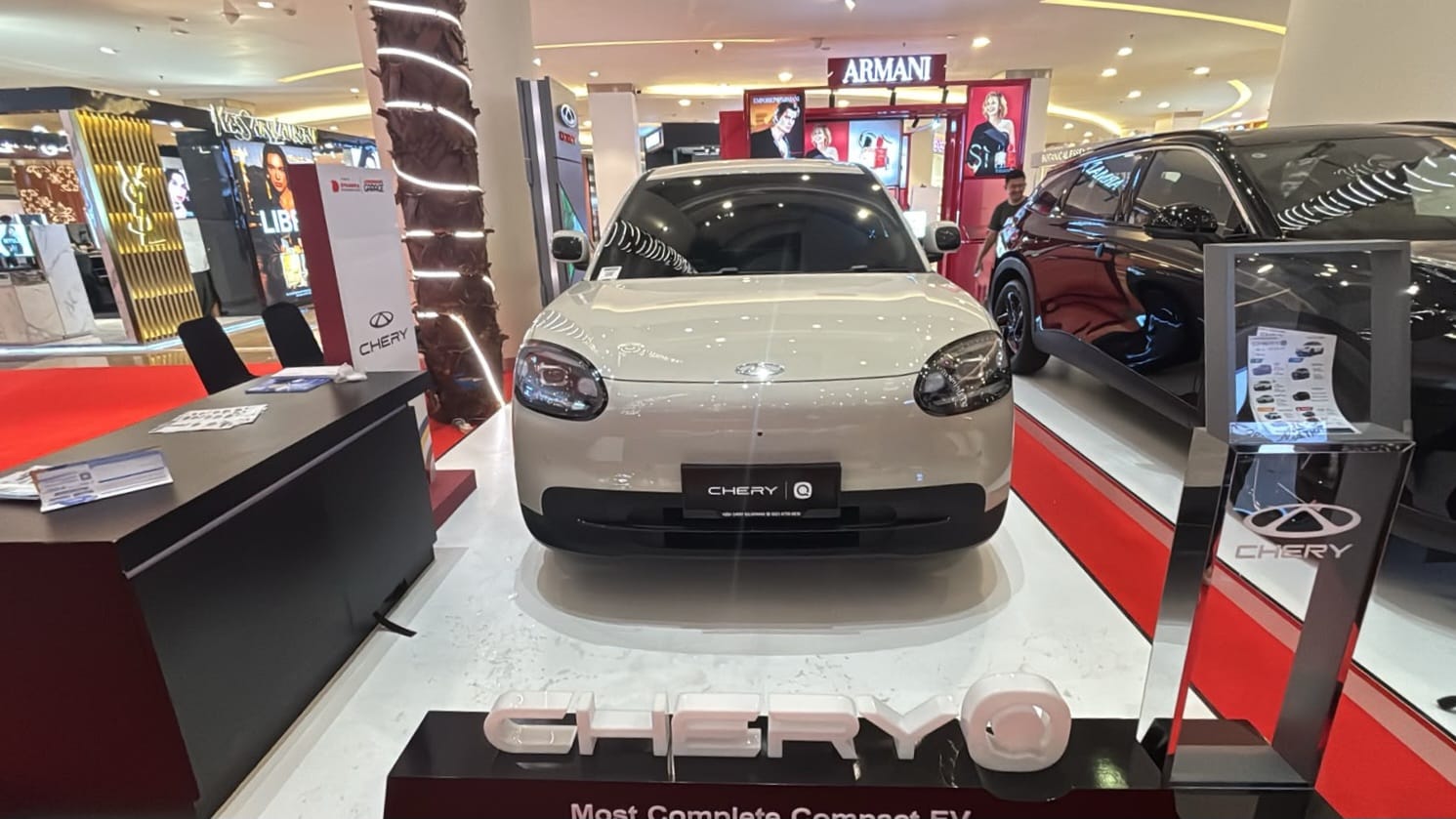
If you want to use an electric car with modern charging technology, Chery presents various EV innovations to support today's mobility needs—one of which is the Chery Q.
This electric vehicle is designed to efficiently support urban activities with charging technology that allows charging in a matter of minutes.
Schedule a Chery Q test drive now to see firsthand how well this car fits your needs!