Electric cars are becoming increasingly popular because they are more environmentally friendly and efficient. Powered by batteries, EVs are considered more economical compared to gasoline-powered cars. That’s why every EV owner should know how to calculate charging costs to estimate their travel needs.
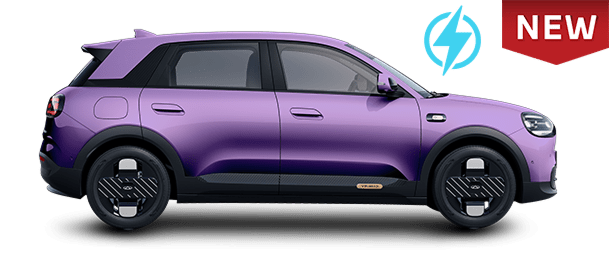
You can charge an electric car either at home using a charger or at a public charging station (SPKLU). For some EV brands, each purchase already comes with a home charger, such as the Chery Omoda 5. In addition, SPKLUs are now widely available in many regions of Indonesia.
The cost of charging an electric car at home and at SPKLUs can vary. Each brand or model also requires different costs to fully charge. So, let’s learn how to calculate EV charging costs in a practical way.
Factors That Affect Electric Car Charging Costs
There are several factors that influence the total cost of charging an EV. That’s why the cost may vary depending on the brand and model. If you own or plan to buy an EV, here are some factors to consider:
- Battery Capacity (kWh)
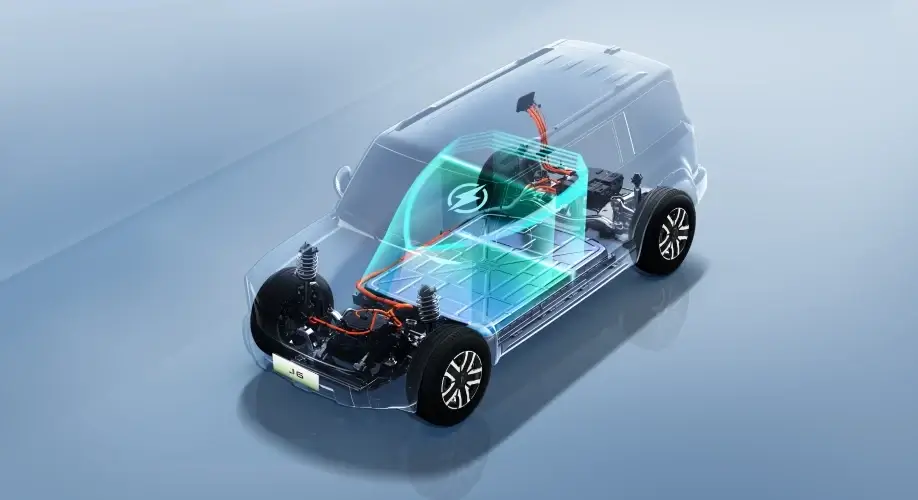
One of the main factors is the vehicle’s battery capacity, measured in kilowatt-hours (kWh). The larger the capacity, the more energy is needed for a full charge. For example, an EV with a 40 kWh battery will need about 40 kWh of electricity to fully recharge. Naturally, this costs more than charging a smaller 20 kWh battery. - Electricity Tariff per kWh (Home vs SPKLU)
When charging at home, the applicable rate is PLN’s household electricity tariff, which averages between Rp1,400 – Rp1,700 per kWh. At SPKLUs, however, the rate is usually higher, around Rp2,400 – Rp2,600 per kWh depending on the operator and service. Charging at home is more affordable, while SPKLUs offer faster charging and convenience. - Charging Efficiency
Charging efficiency also affects costs. Low efficiency, caused by poor equipment or installation, leads to energy waste and higher costs. Using a high-quality charger and proper home electrical installation helps minimize this loss. - Type of Charger Used
Level 1 and Level 2 AC chargers, typically used at home, are cheaper but take several hours. On the other hand, DC fast charging at SPKLUs is much quicker but more expensive, as it requires advanced infrastructure. Frequent use of fast chargers can increase overall costs. - Charging Habits
Charging habits also matter. Regularly topping up (e.g., at 30%) is generally more efficient than waiting until the battery is nearly empty, which consumes more energy. - SPKLU Location and Operator
Rates may differ across SPKLUs depending on operator policies, facilities, and additional charges like parking or premium services. Non-members may also face higher tariffs.
Formula for Calculating EV Charging Costs at Home
Charging at home is generally cheaper, with PLN tariffs ranging from Rp1,445 to Rp1,700 per kWh. In comparison, SPKLU rates vary depending on the provider and facilities.
The formula: Battery capacity (kWh) × electricity tariff per kWh.
For example, an EV with a 26.7 kWh battery will cost around Rp38,500 – Rp45,000 for a full charge from 0% to 100% at home.
However, charging at home requires adjustments to your electrical installation. Your household electricity capacity should be at least 2,200 VA dedicated for EV charging.
Charging Costs at Public Charging Stations (SPKLU)
If you charge at SPKLU, the rate differs from household tariffs. According to Ministerial Decree of ESDM No. 182.K/TL.04/MEM.S/2023, the charging costs are:
- SPKLU with fast charging: around Rp25,000 per session
- SPKLU with ultra-fast charging: up to Rp57,000 per session
Tips to Save on EV Charging Costs
Here are some tips for electric car owners to reduce charging expenses:
- Charge at home during off-peak hours: Charging at night usually comes with lower tariffs.
- Use slow charging mode: This method is more energy-efficient and better for battery health.
- Leverage PLN’s official home charging service: Safe, integrated, and efficient.
- Monitor consumption via apps: Track energy use and identify the best times to charge.
- Avoid frequent full charges: Keeping the battery at 80–90% helps extend lifespan.
- Take advantage of government incentives: Such as installation discounts or special tariffs.
How Long Does It Take to Charge a Chery EV?
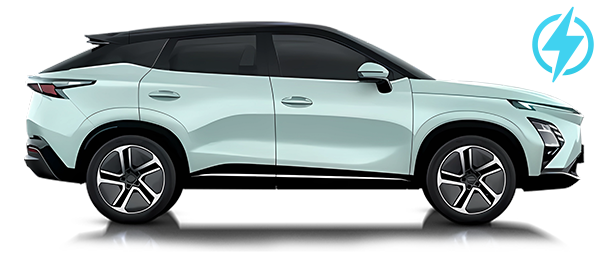
The charging duration for the Chery Omoda E5 depends on the type of charger. With DC fast charging at an SPKLU, charging from 30% to 80% takes about 35 minutes. At home with a standard AC charger, a full charge may take 8–12 hours.
That’s how you calculate EV charging costs both at home and at SPKLUs. Home charging is generally cheaper, while SPKLUs offer convenience and speed. Costs may vary depending on battery capacity, charger type, and charging habits.
Try calculating your EV charging costs based on the factors above. If you’re considering an EV, you can explore available models at Chery