In a vehicle specification sheet, we often find the term Drivetrain with the code FWD (Front Wheel Drive) or RWD (Rear Wheel Drive). For some, this is just a technical detail. But for drivers who prioritize driving feel, this difference in drive wheel location determines the true character of a car.
This difference is not just about which wheels spin, but how the car transfers engine power to the asphalt, how it reacts in corners, and how efficiently it processes fuel. Let's dissect the characteristics of these two systems objectively.
1. Front Wheel Drive (FWD): The Load Puller
The FWD system or front-wheel drive is the most common configuration found in modern passenger cars, ranging from City Cars, Hatchbacks, to Crossover SUVs.
How It Works:
The engine, transmission, and drive axles are all located at the front of the car. The front wheels have a dual task: acting as the directional controller (steering) while simultaneously transmitting power to "pull" the car.
Key Advantages:
- Cabin Efficiency (Spacious): Because it does not require a long propeller shaft to the rear wheels, the cabin floor becomes flat. This provides much more spacious legroom for rear passengers.
- Fuel Efficiency: Fewer components and lighter weight make power loss (power lost on the road) very minimal. The engine works more efficiently transferring power directly to the nearby wheels.
- Traction in Rain: Because the engine weight presses down on the front wheels (which are also the drive wheels), the tires have better grip on slippery or wet roads.
Driving Characteristics:
The natural tendency of FWD when driven to the extreme in corners is Understeer. This is a condition where the car is difficult to turn and tends to slide straight even though the steering wheel has been turned, because the front wheels lose grip due to the dual task (steering and pulling).
This system is applied to family SUVs like the Chery Tiggo 8 CSH. By using the FWD configuration, Chery engineers succeeded in creating a flat floor in the second row, providing superior legroom for maximum family passenger comfort.
2. Rear Wheel Drive (RWD): The Tough Pusher
The RWD system or rear-wheel drive is a classic configuration that is now more widely adopted by sports cars, luxury sedans, or heavy-duty commercial vehicles. However, in the electric vehicle era, this configuration is becoming popular again.
How It Works:
Power from the engine or electric motor is transmitted to the rear wheels to "push" the car. Meanwhile, the front wheels are purely tasked with steering without the burden of power transmission.
Key Advantages:
- Ideal Weight Distribution: Because components are spread out, the car's balance is better maintained.
- Sharper Handling: Because the tasks of steering and driving are separated, the front wheels are more responsive in translating the driver's steering input.
- Load Durability: When the car climbs, the weight shifts to the rear. This gives extra traction to RWD, making it tougher to devour steep inclines.
Driving Characteristics:
The natural tendency of RWD during extreme maneuvers is Oversteer. This is a condition where the car's tail "throws out" or slides to the outside of the corner because the rear wheels lose traction while the front wheels still grip.
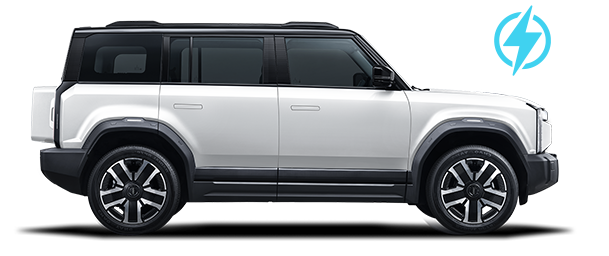
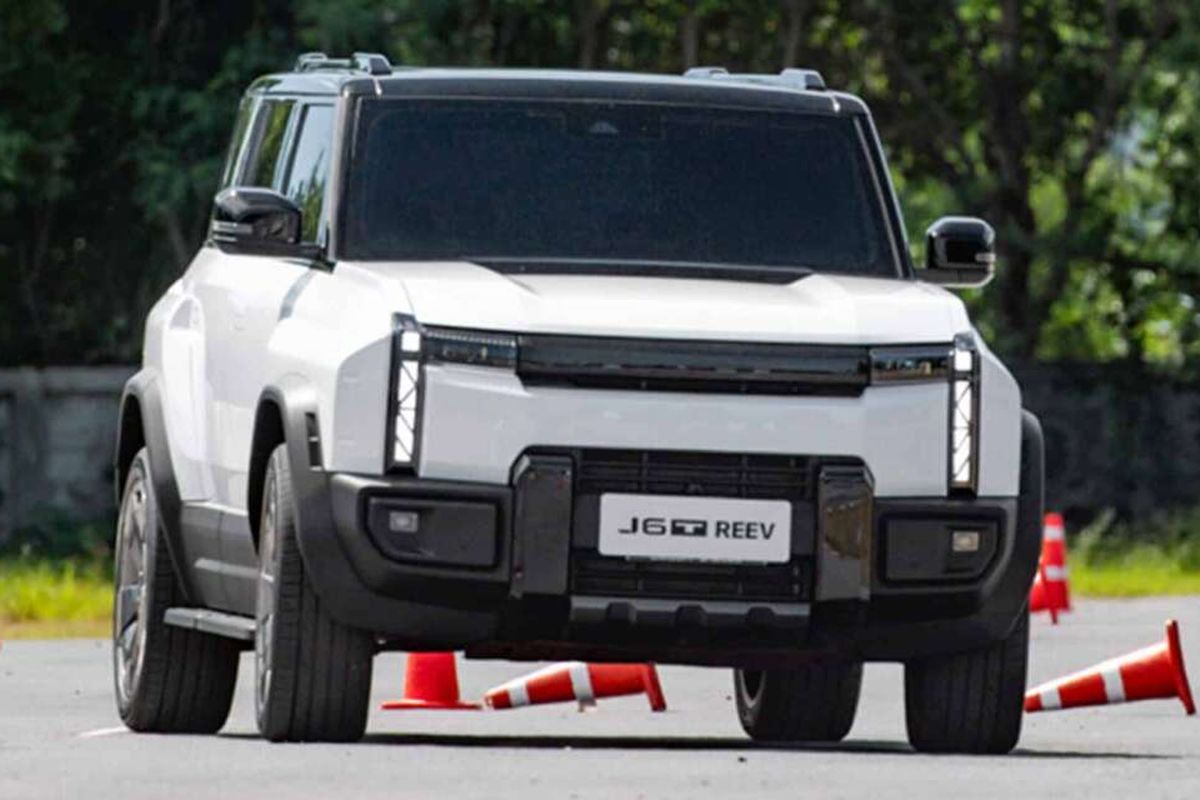
You can find these tough characteristics in the Chery J6 (RWD Variant). As an Off-road Electric SUV, the Chery J6 utilizes rear-wheel drive to provide the instant push sensation typical of electric cars. This configuration also helps the J6 gain optimal traction when climbing semi-offroad terrain, as vehicle weight naturally shifts to the rear wheels which are the drive center.
FWD vs RWD: Which Should You Choose?
Choosing a drive system depends heavily on the terrain you traverse and your driving lifestyle.
| Aspect | FWD (Front Wheel Drive) | RWD (Rear Wheel Drive) |
| Cabin Space | More Spacious (Flat Floor) | Cut by Driveshaft Tunnel |
| Fuel Consumption | Tends to be More Efficient | Slightly More Wasteful (Heavier Weight) |
| Slippery Terrain | Good Traction (Rain/Normal Asphalt) | Prone to Slipping if Control is Lacking |
| Extreme Inclines | Can Slip if Weight Shifts Back | Very Tough |
| Maintenance Cost | More Economical (Fewer Parts) | More Complex (Differential Oil, etc.) |
In the modern era, the performance difference between FWD and RWD is becoming thinner thanks to electronic traction control technology. The understeer weakness in FWD is now minimized with the Electronic Stability Program, while the oversteer risk in RWD is also tamed by similar features.
Conclusion
In the end, the debate between FWD and RWD has no absolute winner because both are designed for different purposes.
If your priority is cabin space efficiency, fuel economy, and family comfort on urban roads, then a car with FWD is the most logical and economical choice.
However, if you are looking for a sporty driving sensation, precise weight balance, or climbing toughness on more challenging terrain, then the RWD system still holds the performance crown.
Choose the vehicle whose specifications best support your routine and the terrain you face daily.
Disclaimer: The understeer and oversteer characteristics above are extreme vehicle physics conditions. Modern cars are equipped with active safety features to prevent these conditions in normal use.