Chery offers vehicles with a variety of engine technologies, from EVs, hybrids, to conventional engines. By providing different engine types, Chery aims to meet the needs of users in the modern era. Each type of engine certainly has its own way of working and specifications.
Chery’s electric cars, whether fully battery-powered or hybrids, are gaining more attention thanks to their modern and eco-friendly features. Amid the rising trend of electric vehicles, Chery’s conventional engine cars are still in demand because they also offer several advantages.
For those currently looking for a car, the Chery brand can be a solid choice as it offers complete technologies that keep up with the times. Through this article, we present a complete guide to choosing a Chery vehicle—between EV, hybrid (PHEV/CSH), and conventional engines (NA/Turbo).
Electric Vehicles (EV)
An electric vehicle, also known as an EV, is powered by electric motor technology. The power of this vehicle relies on rechargeable batteries. Thanks to EV technology, these cars do not produce exhaust emissions when operated, making them an eco-friendly solution.
The main energy source of an electric car comes from the electric motor, which draws power from the battery. This battery plays a crucial role as a substitute for conventional fuels such as gasoline or diesel. The electricity stored in the battery powers the motor, allowing the car to move.
In general, electric cars are divided into four types based on their energy source and operation: Battery Electric Vehicle (BEV), Fuel Cell Electric Vehicle (FCEV), Hybrid Electric Vehicle (HEV), and Plug-in Hybrid Electric Vehicle (PHEV). Each type has its own working mechanism and benefits.
Advantages of EVs
EVs offer several benefits not found in conventional gasoline-powered cars. Here are some of the key advantages of electric cars that attract many people today:
- EVs produce no exhaust emissions like fuel-powered cars, making them more environmentally friendly and helping reduce air pollution.
- EVs operate with quieter engines, offering more comfort while driving without causing noise pollution.
- Maintenance is simpler since EVs do not use complex exhaust systems, making servicing potentially more cost-efficient.
- Operating costs are cheaper as charging with electricity is more affordable compared to refueling with gasoline.
- EVs are often equipped with advanced technologies and smart features, enhancing a seamless driving experience.
Chery EVs
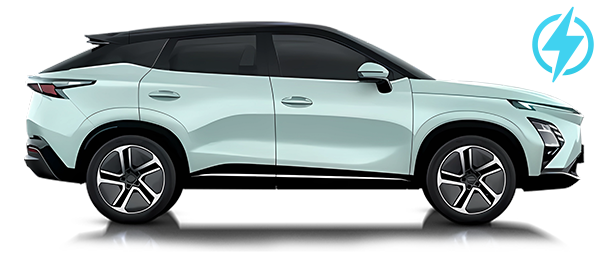
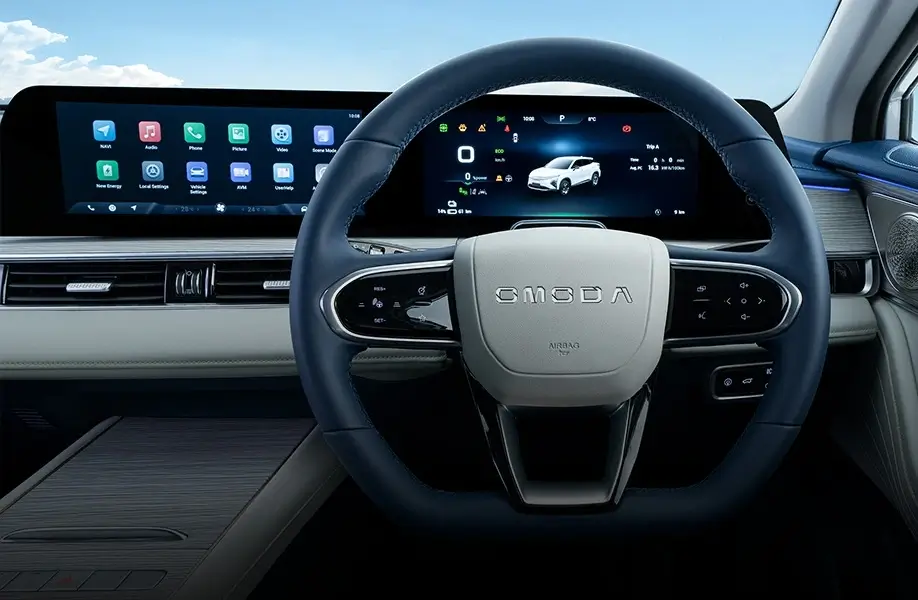
Chery has launched EVs in Indonesia, such as the Chery Omoda E5. This electric car was introduced in February 2024. Since its debut, it has attracted EV enthusiasts and achieved strong sales.
The Chery Omoda E5 is powered by a Permanent Magnet Synchronous motor and a 61.06 kWh battery. With this capacity, it can cover up to 430 km (WLTP test). The vehicle features Max DC charging power of 150 kW with fast charging capability, allowing 30–80% charge in just 28 minutes.
Its electric motor produces 204 hp and 340 Nm of torque, with acceleration from 0–100 km/h in only 7.2 seconds.
Hybrid / PHEV (CSH) Vehicles
Hybrid cars differ from fully electric vehicles (BEVs). While EVs use all their power from the battery, hybrids rely on two power sources: an internal combustion engine and an electric motor.
During operation, hybrid vehicles use both the gasoline engine and the electric motor to drive the car. This combination is designed to improve fuel efficiency compared to conventional fuel-powered cars.
In hybrids, the electric motor works more actively at low speeds or when the car is stopped. The gasoline engine kicks in at higher speeds or during acceleration. Regenerative braking also helps recharge the battery by harnessing the energy generated during braking.
Hybrid cars come in several types: full hybrid, plug-in hybrid (PHEV), and mild hybrid. PHEVs work similarly to standard hybrids but feature larger batteries that can be recharged by plugging in.
This allows PHEVs to cover longer distances on electric power alone. The gasoline engine is used only when the battery is depleted or when additional power is needed.
Advantages of Hybrids
Even though they don’t fully rely on batteries, hybrids provide unique benefits to users. Here are some key advantages of hybrid or PHEV cars:
- Hybrids are more fuel-efficient compared to conventional cars, thanks to the combination of gasoline and electric power.
- They produce lower exhaust emissions compared to fuel-powered vehicles.
- Driving a hybrid feels smoother with less vibration and quieter engine noise.
- Hybrids are often equipped with advanced features and safety technologies.
Chery Hybrid Vehicles
Chery introduced the Tiggo 8 Pro PHEV to the Indonesian market in mid-May 2025. Also known as the Chery Tiggo 8 CSH, it uses Chery Super Hybrid technology.
The Tiggo 8 PHEV comes with a 1.5L turbocharged 4-cylinder engine. It delivers up to 153 hp and 230 Nm of maximum torque.
This flagship hybrid SUV can travel over 1,300 km with a full tank and fully charged battery. In full EV mode, it can cover up to 90 km.
Conventional Engine Cars (NA & Turbo)
These are traditional cars powered by internal combustion engines (ICE). They run on gasoline or diesel and are often categorized by two technologies: naturally aspirated (NA) and turbocharged engines.
NA engines work by allowing air to naturally enter the cylinders without external devices. The air intake occurs due to atmospheric pressure, without additional tools to boost airflow.
Turbocharged systems, on the other hand, use exhaust gases to spin a turbine connected to a compressor. This compressor forces more air into the cylinder, increasing power output.
Advantages of Conventional Cars
Despite being more traditional, conventional cars still offer notable benefits. Many people still prefer them for the following reasons:
- Widely available fuel infrastructure, making it easy to refuel, especially on long trips.
- Greater driving range compared to EVs, which require recharging.
- More affordable prices compared to EVs or hybrids with advanced technology.
- Easier maintenance due to less complex electrification systems.
Chery Gasoline Cars
Even with the EV trend on the rise, Chery continues to offer gasoline-powered cars in Indonesia. One option is the Tiggo 8 Pro.
The Chery Tiggo 8 Pro entered the Indonesian market in November 2022. It is available in two variants: AWD (All-Wheel Drive) and FWD (Front-Wheel Drive). This 7-seater SUV uses a 2.0L TGDI engine that produces 250 hp and 390 Nm of torque.
In addition to the Tiggo 8 Pro, Chery also offers other gasoline models for Indonesian consumers, including the Omoda 5, Tiggo 7 Pro, Tiggo 8, and Tiggo Cross.
Comparison Between EVs, Hybrids, and Conventional Engines
From the explanation above, we can see that each type of car engine has its own strengths. To make it easier to compare, here are the highlights of the advantages and considerations for EVs, hybrids, and conventional cars:
Electric Vehicles (EVs)
Advantages:
- Environmentally friendly with zero exhaust emissions
- Highly efficient with no fuel consumption
- Smooth and quiet driving experience
- Simpler maintenance without combustion system components
- Equipped with modern and advanced technology
- Lower operating costs thanks to more affordable electricity charging
Considerations:
- Purchase price is relatively higher, but balanced with long-term savings
- Charging infrastructure is still expanding, yet continuously improving
- Battery replacement cost can be significant, though durability is increasing with new technology
Hybrid Vehicles
Advantages:
- Lower emissions compared to conventional cars
- More fuel-efficient thanks to the combination of gasoline engine and electric motor
- Smoother drive with reduced vibration and quieter performance
- Supported by advanced modern features and safety technology
Considerations:
- Purchase price may be higher, but compensated with fuel savings
- Maintenance costs can be slightly above conventional cars, yet supported by increasingly widespread service centers
- Additional battery component increases vehicle weight, but also ensures more power and better performance flexibility
Conventional Engine Cars
Advantages:
- Widely available fuel infrastructure, easy to refuel anywhere
- Longer driving range without worrying about charging
- More affordable purchase price compared to EVs and hybrids
- Straightforward maintenance and widely available workshops
Considerations:
- Higher exhaust emissions, though many models now adopt cleaner technology
- Fuel consumption can be higher compared to hybrids or EVs
- Engine sound is more noticeable, but for some drivers this provides a sense of driving character
In conclusion, each engine type has its own unique appeal. For those seeking modern and eco-friendly technology, EVs and hybrids are excellent choices. Meanwhile, if you prefer proven technology with wider accessibility and affordable pricing, conventional cars remain a reliable option.
Make sure to choose the type of car engine that suits your driving needs. If you are currently exploring or planning to purchase a vehicle, you can discover various models and specifications at chery.co.id.