

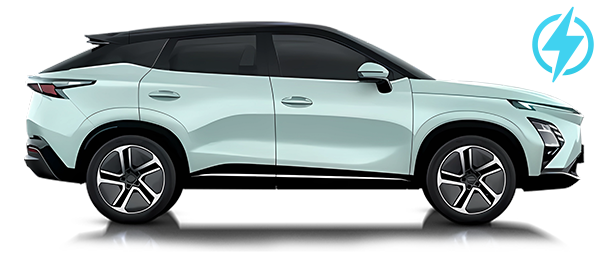

Tips & Tricks
How to Renew Your Driving License Online via Smartphone: Requirements, App & Fees
Want to renew your driving license without waiting in line? Learn how to renew your license online, required documents, fees, and processing times
In driving, visibility is one of the key factors for safety. One essential component that plays a major role in this aspect is the car mirror. Although it may seem simple, the function of car mirrors is crucial for helping drivers monitor their surroundings without having to turn their heads too often.
Unfortunately, many drivers still don’t fully understand the function of car mirrors or how to adjust them properly. Even a small mistake in mirror positioning can create blind spots, increasing the risk of accidents. Through this article, you will learn about the main functions of car mirrors and easy steps to adjust them for a wider view, making your driving experience safer and more comfortable.
Car side mirrors, located on both the right and left sides, allow drivers to observe traffic conditions when overtaking or changing lanes. Before driving, always check that both side mirrors show a balanced reflection of your vehicle’s sides and the surrounding road to minimize blind spots.
In most modern cars, side mirrors can be adjusted electronically using a button near the driver’s seat. This makes mirror adjustments more precise and convenient.
Another key function of car mirrors is to extend the driver’s visibility range. However, standard mirrors can still leave certain areas unseen, known as blind spots. To cover these areas, many drivers add small convex blind spot mirrors to their side mirrors.
Chery SUVs are already equipped with Blind Spot Detection (BSD) as part of their ADAS feature suite. This system activates a signal when it detects another vehicle in the blind spot area. Its four main benefits include:
The main role of the rearview mirror is to help drivers monitor vehicles behind them without turning around. This is especially useful when driving straight, changing lanes, or reversing.
Ideally, the rear window should be fully visible in the center of your mirror without needing to change your seating position. Always keep your mirror clean, as even small smudges or dust can affect clarity especially when driving at night.
When parking, mirrors help drivers gauge the distance between their car and surrounding objects such as other vehicles, road barriers, or sidewalks. By using both the side and rearview mirrors, drivers can perform parallel parking more efficiently and safely.
Many modern cars now feature reverse cameras or 360° view cameras integrated into the mirror system or head unit. Chery’s latest SUV models even offer a 540° view camera, as seen on the Chery E5. This feature provides real-time visual coverage of the car’s surroundings, making maneuvering much easier.
In addition, the Rear Cross Traffic Alert (RCTA) system enhances safety when reversing from parking spots with limited visibility. Rear sensors detect oncoming vehicles from either side and issue visual or audio warnings when a collision risk is detected. This feature has proven effective in preventing minor parking accidents, especially in crowded locations such as malls or office buildings.
Beyond safety, the function of car mirrors also contributes to overall driving comfort. Properly adjusted mirrors reduce the need for frequent head turns, minimizing neck strain and allowing better focus on the road.
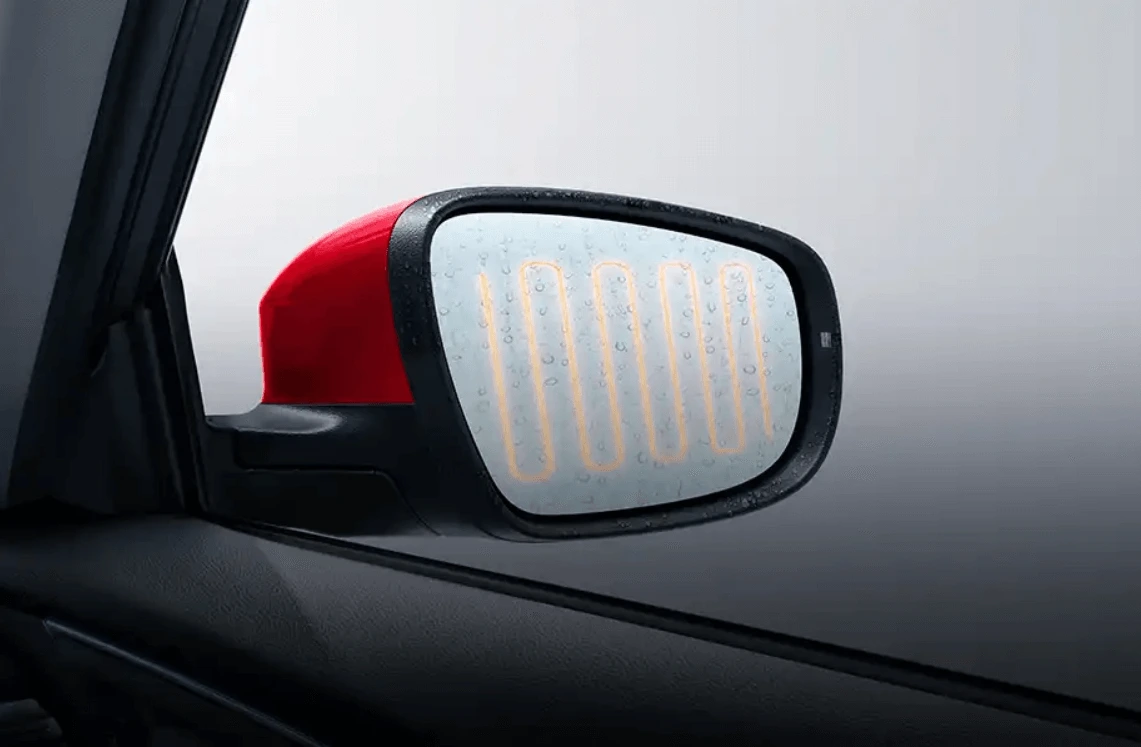
Some premium SUVs are equipped with electrochromic mirrors and heated mirrors, which prevent fogging and maintain clear visibility in cold or rainy weather. This shows that mirrors are not just accessories but essential components that significantly improve both comfort and safety during every journey.
Attached to the exterior mirror, these help widen the field of view by showing objects not captured by the main mirror. Ideal for minimizing blind spots, especially in dense traffic conditions.
Allow automatic mirror adjustments via buttons inside the car. Some models also include heating functions to remove fog, maintaining visibility in colder climates.
Modern mirrors with light sensors that detect excessive brightness from headlights behind. The mirror automatically dims to prevent glare, ensuring clear and comfortable vision during night drives.
To maximize the function of car mirrors, follow these simple steps:
Many drivers still make small but impactful mistakes, such as:
By understanding the function of car mirrors and how to adjust them correctly, you can drive more safely, comfortably, and efficiently. Modern mirror systems continue to evolve, offering advanced visibility and smarter safety support.
Features like Blind Spot Detection, 540° view cameras, and Rear Cross Traffic Alert found in Chery SUVs demonstrate how cutting edge technology can reduce accident risks and make driving more intuitive.
If you want to experience how these technologies work in real world conditions, try a Chery SUV test drive and feel the comfort, safety, and advanced ADAS (Advanced Driver Assistance System) support that enhances your everyday driving experience.


 Terbaru.png)

We place cookies in order to make sure our website works properly and to improve your browsing experience, to streamline and personalize our marketing content and to show you personalized advertisements (including on third party websites). We sometimes share cookie data with our partners for these purposes. Our cookies remember your settings and the data you fill out on forms on our website and analyse traffic to our website. Our cookies also register how you found us and collect information about your browsing habits. You can read more about our use of cookies in our Cookie Notice.